When I first started experimenting with climbing plants, I quickly learned that adding fragrance to the mix can turn a simple garden corner into something truly magical. Aromatic climbers aren’t just pretty—they bring a sensory dimension that changes how you experience your outdoor space.
There’s something deeply satisfying about stepping outside to a burst of fragrant flowers, especially on quiet mornings or calm evenings. But beyond the usual advice, here’s what I’ve discovered after years of trial, error, and yes, a few plant casualties.
Why Aromatic Climbers Are Garden Game-Changers
Most people know aromatic climbers attract bees and butterflies, which is great for pollination. But here’s what most people don’t know: the scent profile can actually shift throughout the day and even depend on the temperature and humidity.
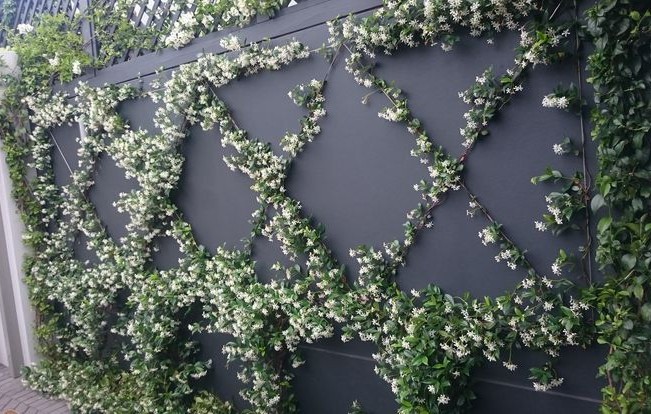
For example, the Star Jasmine I have on my porch practically explodes with fragrance in humid evenings but is surprisingly subtle in the mid-afternoon heat. So planting with the timing of your outdoor hangouts in mind can make all the difference.
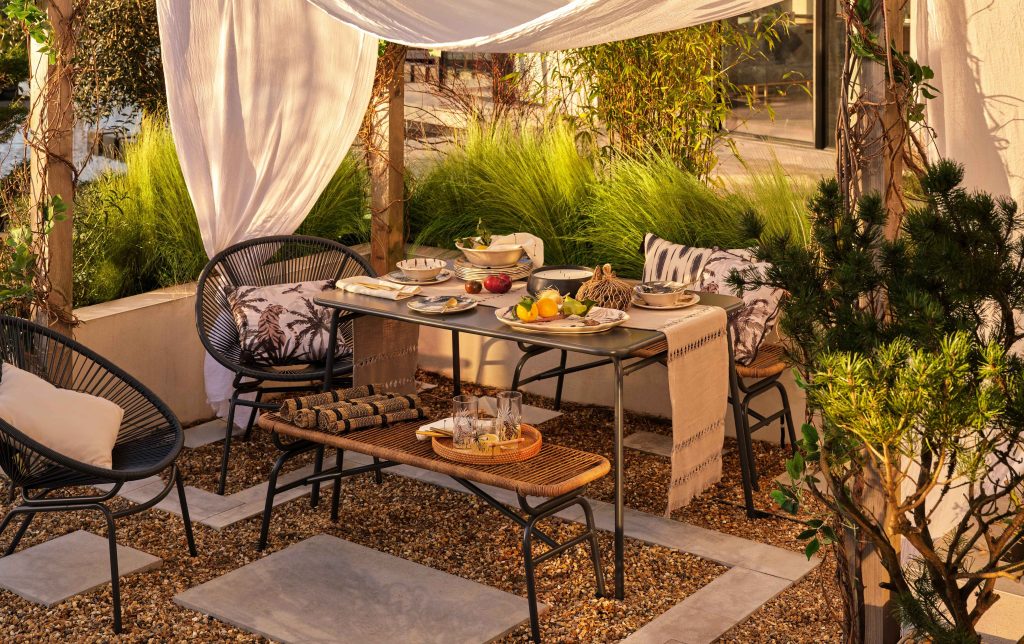
Another personal insight—these climbers aren’t just for sprawling walls or fences. I’ve trained honeysuckle up a simple pergola over my outdoor dining table. It’s like dining in a fragrant, natural canopy. People often forget climbers can create these intimate, sensory “rooms” that invite you to linger longer outdoors.
Aromatic Climbers I’ve Loved — and Why They Might Work for You
- Star Jasmine (Trachelospermum jasminoides)
This one was my gateway climber. It’s reassuringly tough, evergreen, and the scent feels like a gentle hug in the evening. I’ve found it thrives with just a bit of afternoon shade, especially in hotter climates. After a couple of years it nearly covers the trellis. Tip: don’t shy away from a light trim after flowering. It encourages fuller growth—and more blooms. - Honeysuckle (Lonicera spp.)
When I planted honeysuckle along my backyard fence, I was surprised how quickly it added privacy and those thickly sweet notes in late afternoon. Bonus: hummingbirds practically camped out there in the summer! Pro tip—choose a variety native to your area. I once tried a tropical one in a cold zone and it barely made it through winter. The Lady Bird Johnson Wildflower Center is a great resource for finding native species. - Climbing Roses (Rosa spp.)
Roses can be intimidating, but some of the old-fashioned varieties smell like pure nostalgia. My grandmother’s garden had climbing ‘Zephirine Drouhin,’ which was thornless and fragrant, making it surprisingly garden-friendly. Roses require a bit more feeding and pruning, but the reward is a romantic wall of scent and color that feels timeless. - Sweet Pea (Lathyrus odoratus)
If I only had a balcony or small porch, this would be my go-to. Sweet peas are like the fireworks of climbers—fast-growing and explosively fragrant, but only for a season. I once planted them in a container with a small trellis, and walking out in the morning to that floral blast was like a personal invisible bouquet. - Chocolate Vine (Akebia quinata)
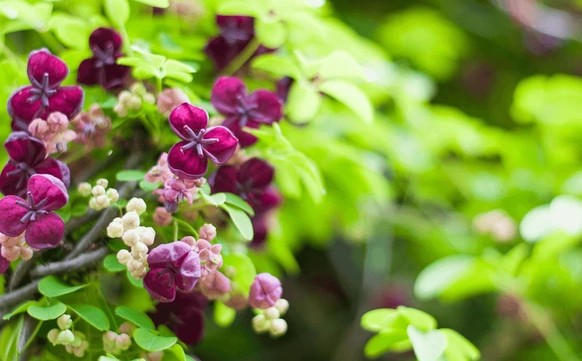
I remember being skeptical about a plant that smells like chocolate—but the chocolate vine is honestly unique. It’s a vigorous grower and perfect if you want a quick privacy screen. Just be careful with pruning; let it grow freely for a season, then trim back hard in early spring to keep it manageable.
Lessons From Real Gardens
In my early gardening days, proximity was everything. I put an aromatic climber at the far end of the garden—big mistake. The scent didn’t travel enough, and I rarely got to enjoy it.
Since then, I always plant climbers near places where I spend real time: by the breakfast nook, next to a door you open often, or alongside a garden bench. That way, every breeze feels like a small gift.
Also, don’t underestimate the power of combining climbers. Pair a honeysuckle with a climbing rose or a jasmine with sweet peas in a layered planting. When each flowers at different times, you get an evolving scent experience, not just a one-hit wonder.
What Most Gardeners Overlook
People often worry about maintenance, but here’s the thing: aromatic climbers can be surprisingly low trouble if you start right. My advice? Prep your soil richly with compost before planting—healthy roots mean happy plants less prone to pests.
And don’t get hung up on perfect watering schedules in the first few months; these plants often tolerate a little neglect after they settle.
Also, climate matters more than people give it credit for. Your local extension service or garden club might suggest varieties that punch above their weight in your specific conditions.
I made the mistake of importing a climber that needed coastal humidity, but my inland dry heat reduced its flowering drastically. Lesson learned: local knowledge beats general online advice every time.
Troubleshooting the Common Hiccups
- If you find aphids setting up shop: I use a simple mix of water, mild dish soap, and a few drops of neem oil. It’s cheap, natural, and works like magic without harming pollinators.
- If a climber stops flowering: Sometimes it’s over-pruning or insufficient sun. I’ve had to move plants to sunnier spots to revive their blooms.
- If space feels tight: Annuals like sweet peas or dwarf varieties can be rotated yearly, so you’re never overcommitting space.
Starting Your Own Journey
Take a moment and think about the parts of your garden or balcony that need a little extra something—the spot where you sip tea, the fence you want to hide, or even an indoor trellis near a sunny window. That’s where an aromatic climber converts an ordinary nook into a sensory escape.
When you get a plant home, don’t just shove it in the soil—get your hands dirty prepping the bed with compost, make a sturdy trellis or support (I’ve used everything from bamboo poles to old wooden ladders), and water thoughtfully while roots settle.
One thing I’ve learned: talking to your plants isn’t just a cliché. I swear, saying a kind word while trimming or watering sets a mindful tone that helps you notice its needs sooner.
Soon enough, the sweet smells of your aromatic climber will greet you like an old friend—no matter the time of day. It’s these small, fragrant moments that quietly turn your garden into a sanctuary.
Happy planting, and remember—sometimes the best garden stories start with a scent on the breeze.