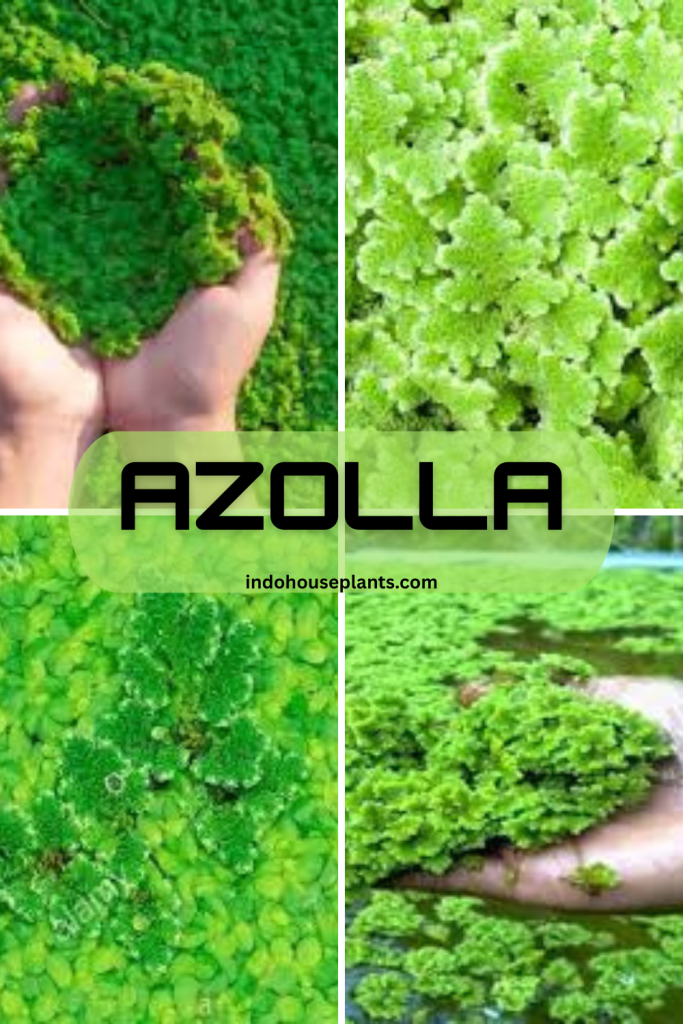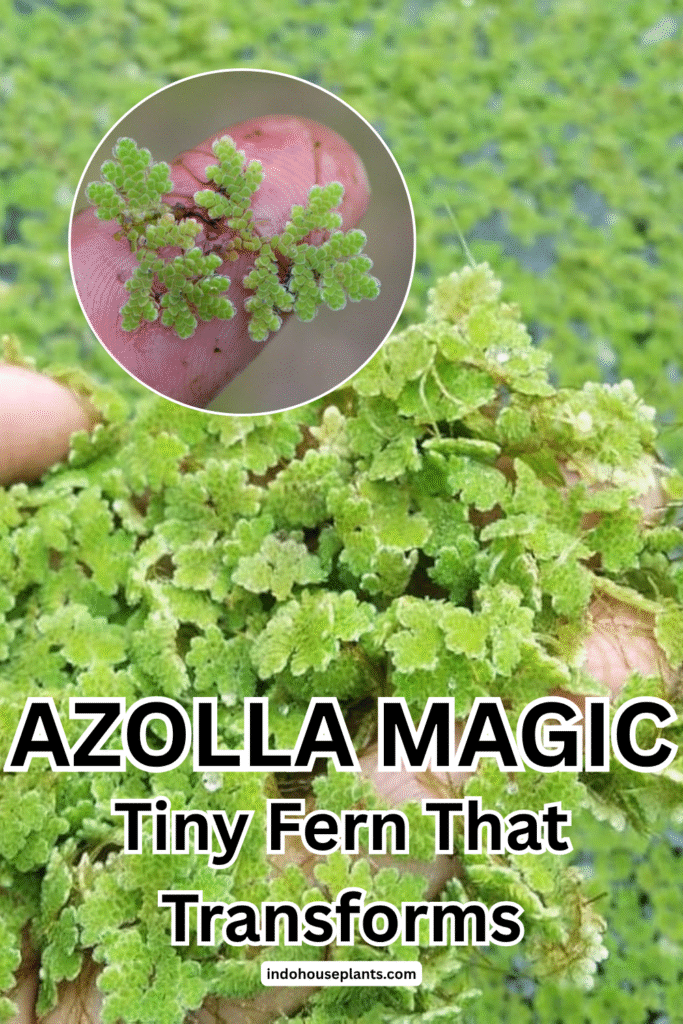
When I first stumbled onto Azolla as a pond cover, I was a bit skeptical. A tiny floating fern? How could that possibly help manage my little backyard pond, especially against the relentless algae that seemed to bloom overnight? But after months of trial, error, and some surprising little wins, Azolla earned a permanent spot in my pond care routine—and it might just do the same for you.
What Makes Azolla More Than Just Another Pond Plant?
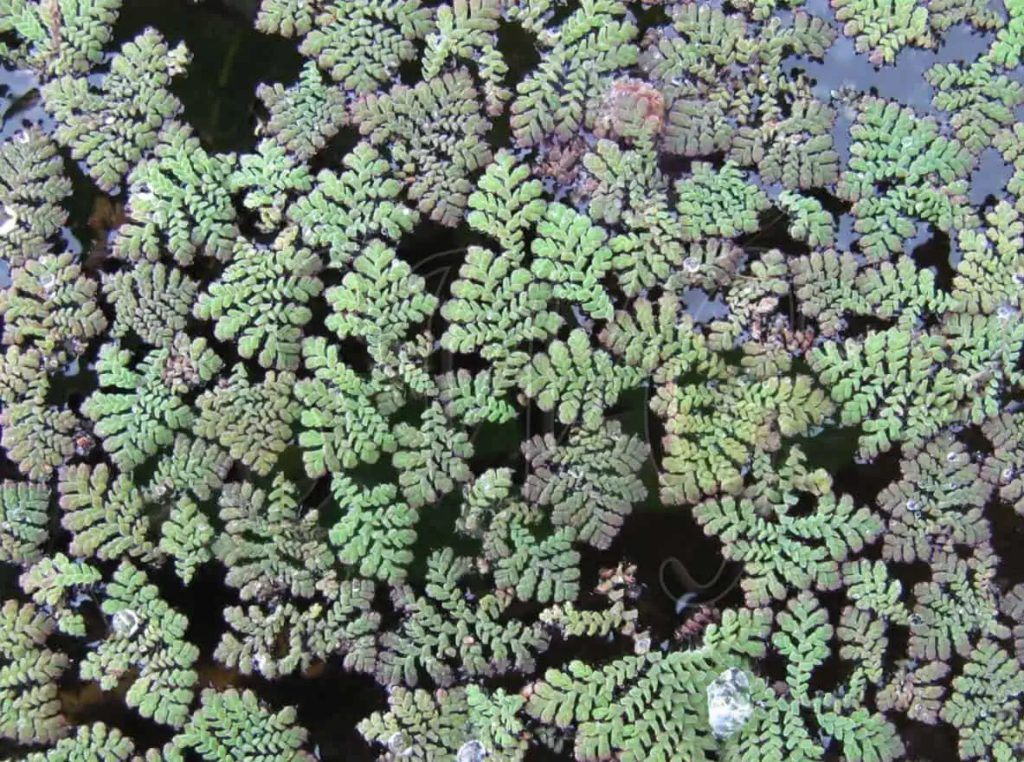
At first glance, Azolla looks like a simple carpet of green, but what’s really going on underneath is fascinating. This isn’t just a floating fern; it’s practically a tiny ecosystem. Thanks to a special relationship with nitrogen-fixing cyanobacteria, Azolla can pull nitrogen straight from the air. Most plants need nitrogen from the soil or water, but Azolla does this little trick which actually helps balance the nutrients in your pond. That’s why algae—which love excess nitrogen—don’t get the upper hand.
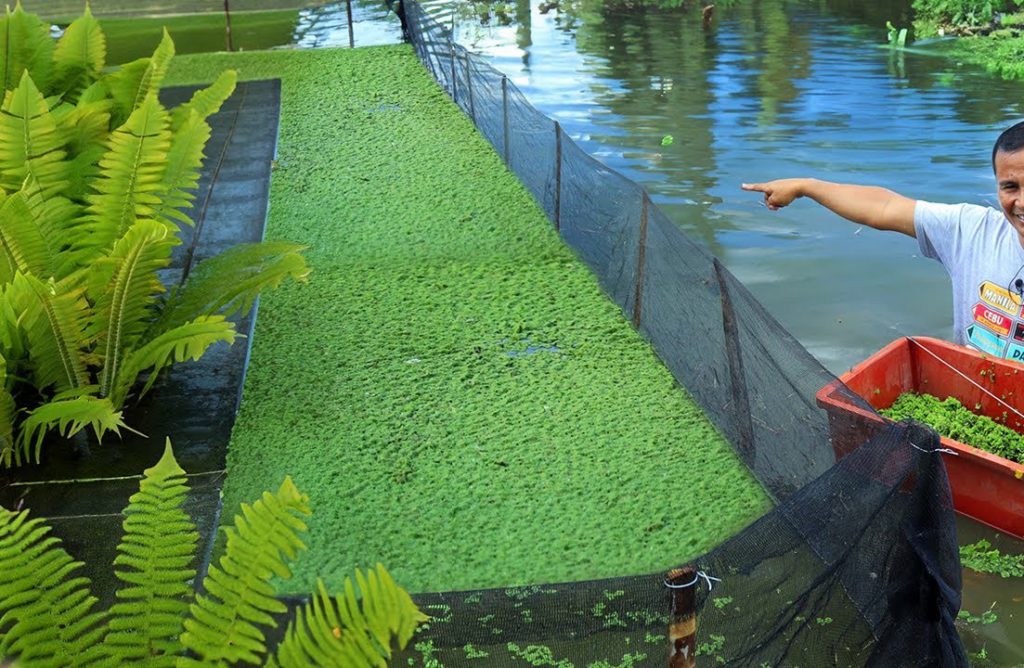
Here’s the part many people don’t realize: Azolla actually creates a natural filter system. By covering the water, it blocks intense sunlight, slows down evaporation (a godsend if you live somewhere dry), and molds a safe little haven for bugs and amphibians that keep your pond’s ecosystem humming.
Plus, if you have fish like tilapia or carp, they’ll happily nibble on it, cutting your feed costs.
My No-BS Guide to Getting Azolla Working for You
1. Pond Prep: Not Every Pond is Azolla-Ready
Before you throw Azolla onto your pond and call it a day, test your water. I learned the hard way that Azolla loves a pH of 4.5-7.5 and temperatures ideally between 20°C and 30°C (68-86°F). If your pond water veers outside that, it’s like trying to grow houseplants in a fridge. Test kits are cheap and invaluable here—don’t guess.
2. Source Smart, Source Local
Azolla from overseas might bring hitchhikers you don’t want, like pests or diseases. I got mine from a local fish farm that knew exactly what to sell me. The quality difference is noticeable—the plants grew faster and looked healthier.
3. Start Small and Spread It Out
Azolla doesn’t like to be dumped in one clump—it needs space to thrive. I found that spreading about 1 kilogram per 100 square meters evenly across the surface helps it establish without choking out everything at once.
4. Patience + Observation = Success
The first week I checked every morning, watching those tiny green patches multiply before my eyes. Azolla can double in size every 2-3 days under ideal conditions. If it stalls, check for shade, low nutrients, or maybe too much agitation in the water. It likes calm.
5. Balance Is Everything
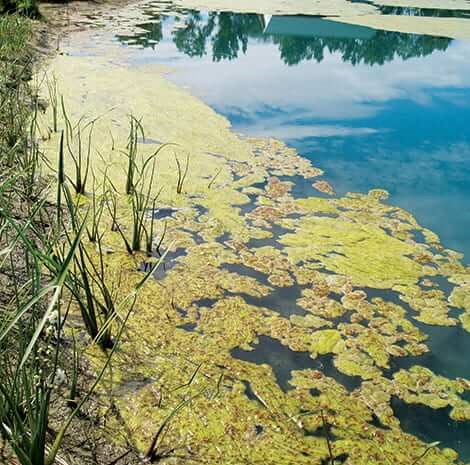
It’s tempting to cover your whole pond, but don’t do it. I once let it cover 100% and saw fish gasping below, struggling for oxygen. Keep a patch of open water for oxygen exchange and to keep fish happy. A good rule: no more than 70-80% coverage.
6. Keep an Eye on Unwelcome Guests
Azolla is hardy but not invincible. Snails and aphids can invade, especially on new growth. When I spotted them, a quick hand-pick or gentle pond rinse did the trick. Keep your introduction stock clean, and you’ll minimize problems.
Real-Life Wins and Lessons from My Pond
- When I introduced Azolla into my koi pond, algae dropped noticeably within two weeks. Not only that, the water smelled fresher—less stagnant and less ‘murky.’
- I also noticed dragonflies holding court on the Azolla mats, which meant a natural mosquito control bonus I hadn’t expected.
- One summer, drought shrank my pond’s volume and concentration of nutrients skyrocketed. Azolla spread like wildfire, shading the water and preventing the usual algae explosion. It was like a natural shock absorber for the ecosystem.
- Side note: I experimented adding diluted compost tea once when growth slowed in cooler months. Just a splash helped my Azolla bounce back without inviting algae chaos.
When Things Go Sideways (And How to Fix Them)
- Growth stalls: Usually nutrient or temperature related. Adding organic fertilizer in tiny doses helped, but I was careful—not to overfeed.
- Too thick, fish struggling: Partial manual removal is key. I keep a bucket handy to scoop excess and use it as nutrient-rich compost or livestock feed.
- Pests popping up: Regular checks and quarantining new plants before adding them to the pond saved me from bigger headaches.
Why Azolla Can Change Your Pond Game
If you’re like me, constantly fighting algae, wasting money on chemicals, or stressing about water quality, Azolla offers a fresh, hands-on solution that’s surprisingly satisfying. It’s not magic—there’s a bit of science and care involved—but it’s low-cost, natural, and even brings some unexpected wildlife back.
Here’s a secret few mention: working with Azolla forces you to really tune into your pond environment. You become more than a caretaker—you’re a partner in this tiny, floating jungle. And that connection, trust me, is worth everything.
Ready to Give It a Real Shot?
Start by hitting up your nearest aquatic plant supplier or agricultural extension. They probably have a starter culture sitting right there. Test your water, introduce a little Azolla, and watch what happens. Take notes. Snap photos weekly.
If you get stuck, local forums or farming groups are gold mines because the folks there have weathered the same challenges. For more in-depth information, you can refer to resources like the Food and Agriculture Organization of the United Nations (FAO) aquatic biodiversity page. I’ve found that sharing stories and tips makes this whole process even more rewarding.
Your pond deserves a cover that works with nature, not against it. Azolla might just be the simplest, most elegant solution you never knew you needed. Give it a try—you’ll be amazed how nature’s tiniest fern can pack such a punch.