Bringing botanical wall art into your home has been one of those subtle yet transformative design moves that instantly changed how I feel in a room. It’s not just about putting plants on your walls; it’s about inviting nature’s quiet stories and textures indoors in ways that refresh the spirit without needing a green thumb or giant windows.
I remember when I first got hooked on botanical art—I was living in a cramped urban apartment with barely any light for real plants. Yet, hanging a simple pressed fern leaf above my reading nook shifted the vibe entirely. It was like having a pocket of forest calm tucked away from the concrete noise.
Since then, I’ve experimented with everything from vintage scientific prints to bold, abstract florals. And here’s what many people don’t know: the style you pick doesn’t just decorate your walls, it sets an emotional tone that can subtly nudge your mood.
Digging Into Your Space and Mood: Real Talk
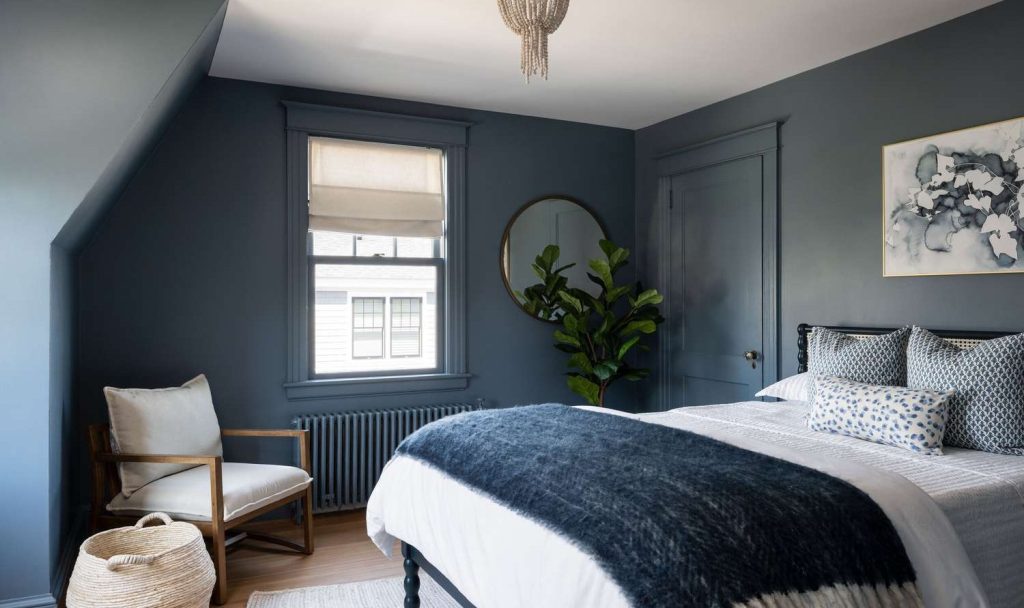
I learned the hard way that just “buying something pretty” rarely works. When I revamped my bedroom, I made a list of the feelings I wanted: peaceful, cozy, a place to unwind.
That’s when I focused on delicate watercolors of wildflowers and eucalyptus branches, soft in dusty blues and greens. They didn’t just look nice; they felt like a gentle exhale at the end of a busy day.
Contrast that with my kitchen, where I wanted energy and vibrancy. I went for tropical prints—imagine those lush monstera leaves and bright pink hibiscus, painted in bold brushstrokes. Suddenly, the space where I cooked and chatted felt lively and welcoming, helping me start days with more enthusiasm.
If you’re stuck, think about your own daily rituals in each room. What vibe does that place need? And don’t underestimate how a simple leaf drawing in black and white can bring a modern sophistication that keeps your office or workspace feeling focused and uncluttered.
Mediums Matter More Than You Think
Pressed leaves, for example, were a revelation. At a local craft fair, I found an artist layering fragile eucalyptus leaves with tiny seed pods under glass, framed in raw wood. It wasn’t just art; it felt alive, textured—and much more personal than a flat print.
Since then, I started pressing my own leaves from neighborhood walks. (Pro tip: Start with softer leaves like ferns or magnolia, and press them between wax paper inside heavy books for about two weeks.)
Photography is another go-to that many overlook. Macro shots that capture the spiderweb-like veins on a leaf or a dew drop on a petal bring an intimate, almost meditative detail to your walls.
And for those who want something totally unique, commissioning a piece from a local artist can add a beautiful narrative to your space. I’ve met artists who integrate pressed flowers into their paintings, blending mediums for a layered effect.
Styles That Speak Your Language
Vintage botanical prints caught my heart early on. Those meticulous 18th-century scientific illustrations with their Latin labels and delicate shading lend a timeless, scholarly charm. They’re also surprisingly versatile when paired with modern furniture.
On the flip side, abstract botanicals—where leaves aren’t just leaves but shapes and colors swirling in unexpected ways—give you the freedom to think beyond nature’s literal form.
Minimalist line drawings, often black ink on white, have been my go-to for workspaces. A single palm frond or a cluster of wildflowers, sketched in swift strokes, brings elegance without distraction.
What Most People Don’t Know About Choosing Botanical Art
Here’s the insider tip: Don’t just think “color” or “plant type.” Start from your emotional reaction first. I kept returning to the art that reminded me of a particular place—my grandmother’s garden, a forest trail from a childhood hike.
Also, sizing is crucial but often overlooked. One time, I bought a print online without measuring and it swallowed my small hallway wall. To avoid this, I use painters’ tape on my walls in the exact dimensions of a frame beforehand.
Budget-wise, botanical art is surprisingly accessible. Downloadable prints let you control not only cost but also framing style and paper quality. You can find beautiful options on sites like Etsy.
Real-World Examples That Shaped My Approach
- Pressed Fern Magic in the Living Room
My first piece was a pressed fern in a light wood frame. Paired with linen cushions, it created an organic centerpiece that gently enriched the room’s calm. - Tropical Watercolor Energy in the Kitchen
A set of three watercolor prints featuring monstera leaves made the kitchen feel bright and alive every morning. - Minimal Line Drawing in the Office
For my home office, I chose a minimalist black ink palm leaf. It’s understated but elegant, helping keep the space feeling orderly.
Overcoming Common Hiccups
- When the options are paralyzing, narrow your scope by combining your favorite plant and your room’s mood.
- Unsure about scale? Physically marking out wall space with tape and stepping back can save you from buying art that feels either lost or overwhelming.
- If cost feels like a barrier, start small with downloadable prints, DIY pressed leaves, or shop at local art markets.
Why This Matters More Than You Think
Botanical wall art isn’t just decoration—it’s a quiet conversation with nature that gives you moments of calm or joy throughout your day. It’s the green in your concrete jungle, the soft edges in a busy world.
How to Dive In—No Fuss, No Pressure
- Start with a mood board on Instagram or Pinterest.
- Measure your favorite empty walls and use tape to visualize art sizes.
- Pick a style that resonates.
- Visit a local gallery or craft fair to see pieces in real life.
- Try a fun DIY: press some leaves on your next walk.
- Order one affordable print that feels “right” and live with it for a bit.
Embracing botanical wall art has been like having a little slice of nature’s poetry inside my living spaces. May your journey finding these green accents be as rewarding and calming as the art itself.