Starting Your African Violet Collection: A Personal Take
Choose with Intention, Not Impulse
The biggest rookie mistake I made early on was grabbing every pretty violet I saw, without thinking about their care needs or how they’d fit together. Here’s the secret most don’t realize: it’s better to start with two or three varieties that share similar light and watering requirements.
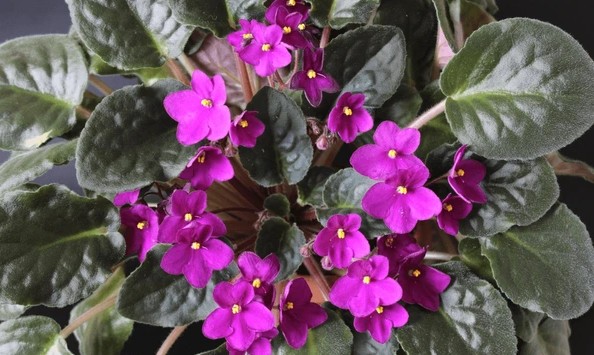
This keeps your learning curve manageable and prevents you from feeling overwhelmed. My first lineup was the classic deep-purple Standard, a sweet little ‘Ruffles’ variety with frilly petals, and a variegated-leaf ‘Variegata’ that instantly caught my eye with its white streaked leaves.
If you’re just beginning, go for those beginner-friendly varieties—they’re more forgiving while you discover your watering rhythm and lighting sweet spots.
Lighting: Your Silent Game-Changer
Lighting isn’t just “bright” or “not bright”—getting it right is an art. African violets thrive on bright but indirect light. I learned the hard way after placing one right on a south-facing windowsill, waking up to scorched leaves.
Now I place mine a little back from the window in an east-facing spot, where morning sun gently warms their leaves without baking them.
If natural light is sparse, investing in LED grow lights is worth every penny—they mimic the perfect sun without the risks of burning. For those in northern climates or with little natural light, this is a game-changer.
Watering: The Bottom-Up Secret
Here’s what most people don’t know: watering from the top can easily lead to rot because African violets hate wet leaves. My first plant suffered from spotty leaves until I switched to bottom watering—placing the pot in a saucer with room-temp water and letting it absorb moisture for about 30 minutes, then draining excess.
You get better results and fewer water-related issues by being consistent with this method. Plus, feeling the soil’s moisture helps guide when to water next—usually when the top feels dry but not bone dry underneath.
Creating a Cozy Home for Your Collection
One thing that transformed my collection from a handful of lonely pots to a lush little indoor garden was creating a dedicated display space. A simple shelf with grow lights and a small humidifier turned my African violets from struggling plants into flourishing stars.
The humidifier keeps the air around 50-60% humidity—even in dry winter months when radiators can make the air harsh.
Matching pots with drainage holes and attractive saucers doesn’t just look good; it’s practical. I’ve learned the hard way that without drainage, water sits, roots rot, and plants die—a frustrating lesson you’ll want to avoid.
Propagation: Your Collection’s Best Friend
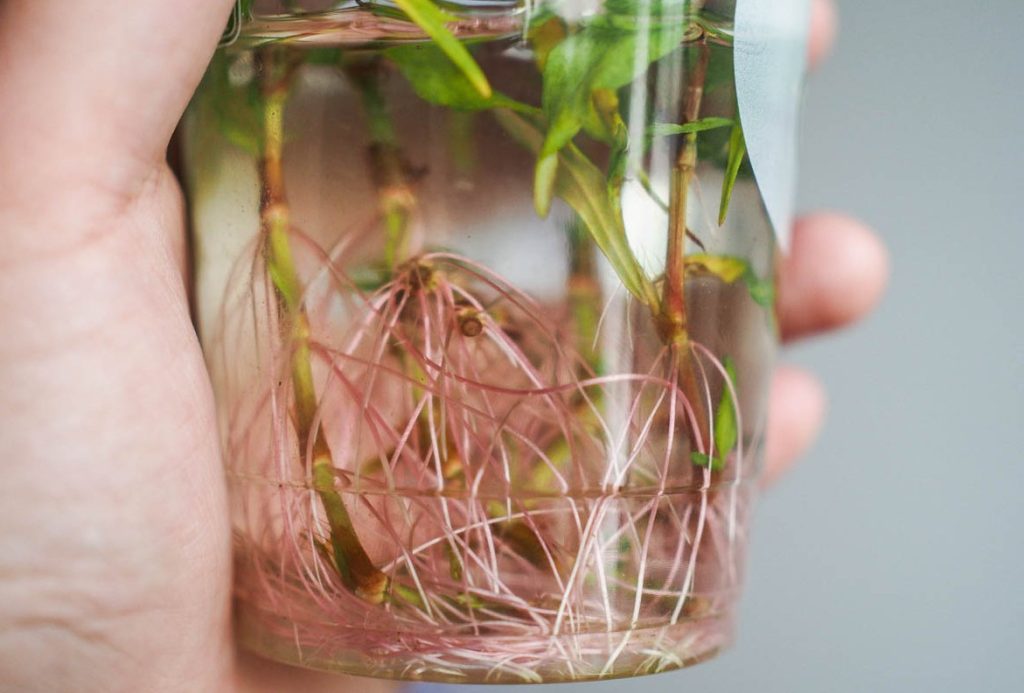
One of the most satisfying parts of owning African violets is watching new plants pop up from leaf cuttings. Taking a healthy leaf with about an inch or two of stem and placing it in moist soil under a clear plastic cover creates a little greenhouse perfectly suited for baby plants.
It feels like magic when after a few weeks, tiny plantlets emerge. The best part? You don’t need to buy every new variety you want. Propagation lets your collection grow alongside your confidence.
Real Stories from the Violet-Loving Trenches
- Maria’s Journey: She began with just two plants, a purple Standard and a pink ‘Optimara Little Queen.’ What made her thrive was setting a watering routine—bottom watering weekly—and choosing an east-facing window. Within months, Maria’s living room blossomed with small starts she propagated, and she joyfully gifted them to friends, expanding the violet love circle.
- John’s Leaf Fascination: He wasn’t drawn just by the flowers but by unique leaf shapes. A variegated green ‘Variegata’ and a blue ‘Ruffles’ variety became his focus. Using grow lights through winter and a small humidifier helped John keep his collection thriving despite the dry climate. His tip: pay attention to what part of the plant you’re admiring, and tailor your care around those traits.
Troubleshooting Like a Pro
Here’s what I’ve learned after some trial and error:
- Brown or Crispy Leaves: Usually a sunburn or underwatering. Move your plants to a spot with less direct light and don’t shy away from giving a little extra water—just not too much.
- Yellow Leaves: Often caused by overwatering or poor drainage. Your pots should have holes, and soil should dry out just enough between waterings.
- No Blooms: More light or a little fertilizer can help. I use a balanced fertilizer every month or so during growing season—just follow the package, no need to overdo it.
- Pests or Mildew: Keep leaves dry, provide good airflow, and isolate affected plants right away. It happens to everyone; it’s part of the learning process.
For a deep dive on common issues, the African Violet Society of America’s resource page is invaluable.
Why This Collection Matters
There’s something deeply rewarding about nurturing living things that respond to your care. African violets are deceptively simple—they can be finicky, yet they reward attention with their charming blooms and foliage.
Each leaf and petal variation you add to your collection tells a story, and every new growth feels like a personal win. Plus, creating plants from leaf cuttings gives your collection a heartbeat all its own, a reminder that green thumbs are built, not born.
Your First Steps to Violet Happiness
- Visit a local nursery or explore trusted online sellers for beginner-friendly African violets like ‘Standard,’ ‘Ruffles,’ or ‘Variegata.’
- Set up a cozy spot where your plants will get bright, indirect light, or grab a modest LED grow light to supplement.
- Use African violet potting mix in pots that allow excess water to drain—bottom watering will save you heartbreak.
- Connect with online communities or social media groups for support and shared triumphs. It’s amazing how much you can learn from other violet lovers.
Starting your African violet collection isn’t about quantity—it’s about the joy of watching each plant thrive under your care. Celebrate every new leaf, every bloom, and even every challenge. You’re cultivating more than plants—you’re cultivating patience, curiosity, and the delight of creating your own little patch of indoor beauty.