When I first started getting serious about gardening, I was overwhelmed by all the eco-jargon flying around—compostable this, sustainable that—and honestly, it felt like every choice came with a million questions. But switching to biodegradable planters turned out to be one of the simplest, most rewarding changes I made. Not only did it ease my environmental guilt, but it actually helped my plants grow stronger.
Here’s the down-to-earth story and insight about these nifty pots that I wish someone had shared with me from the start.
What Are Biodegradable Planters, Really?
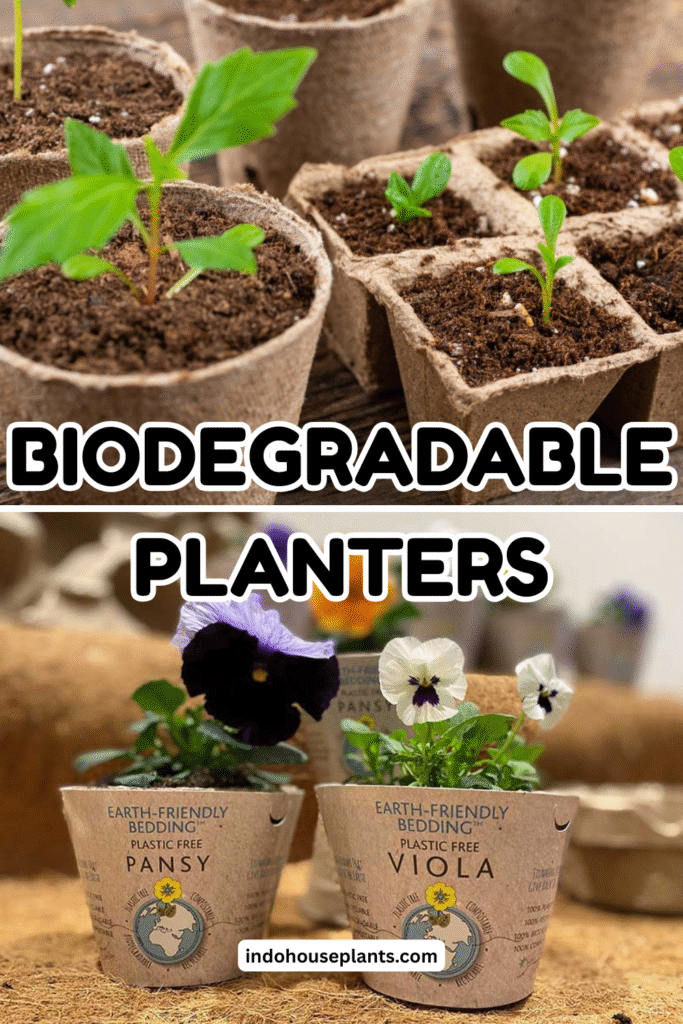
Forget the plastic pots stacking up in landfills. Biodegradable planters are made from natural materials—stuff that Mother Earth knows how to break down without leaving a toxic trace. I’ve worked with everything from coconut coir to peat moss, and even rice hull-based pots.
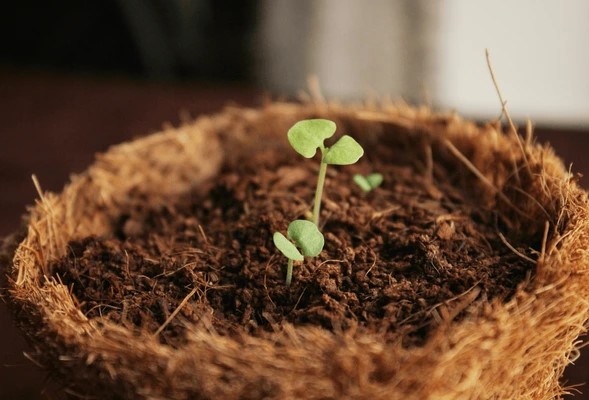
What makes this cool is that after you plant your seedlings, you don’t have to wrestle with root systems. The entire pot goes straight into the ground, and over a few weeks, it dissolves back into soil, feeding your plants nutrients.
In my experience, coconut coir pots are my go-to. They hold moisture just right—not too dry, not soggy—and they’re sturdy enough for most indoor starts. Plus, they smell faintly of the tropics, which is oddly comforting when winter has you craving sunshine.
Why I’d Never Go Back to Plastic
Here’s what a lot of gardeners miss: biodegradable planters don’t just reduce plastic—they can actively improve your garden’s soil because they’re feeding it as they break down. I started noticing after a few growing seasons how my garden beds felt richer and fluffier. Think of it as a natural slow-release fertilizer from the pots themselves.
Another thing: transplanting stress with seedlings is real. If you’ve ever dug a fragile root ball out of a plastic pot, you know the heart-sinking look of crumpled leaves afterward. With these pots, planting feels effortless—you pop the whole thing into the soil and watch your plant settle right in.
Plus, buying biodegradable planters nudges you toward supporting companies that genuinely care about sustainable gardening. It feels good to vote with your dollars in that way.
How I Use Biodegradable Planters Step-by-Step
- Pick Your Starter Pots: I usually grab coconut coir pots at the garden center or order them online in bulk—they’re lightweight and perfect for everything from herbs to tomatoes.
- Fill Them Right: High-quality potting mix is a must here. I’ve made the mistake of skimping, and seedlings suffer fast.
- Plant Those Seeds: Pop your seeds or small seedlings in and water gently.
- Keep an Eye on Moisture: These pots do dry faster than plastic, so I check daily when indoors and mist lightly.
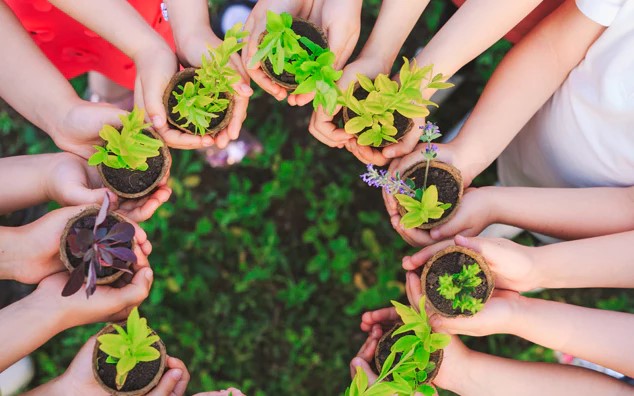
- No Fuss Transplanting: When roots peek out or your plant outgrows the pot, I just tuck the entire pot into my garden bed. No digging out the plant, no root damage.
- Watch the Magic: In about 3-4 weeks, the pots soften and vanish—sometimes faster in warmer, moister soil.
Real-World Stories I’ve Loved
- My neighbor started an herb garden using peat pots last year. She told me how excited she was that when she moved basil seedlings outdoors, the pots just disappeared. No mess, no fuss, and basil went wild.
- A community garden I volunteer at switched to coconut coir planters because they’re affordable for all ages and beginners. The gardeners love how easy it is for kids to get involved without worrying about pot damage.
- I once gifted a friend a biodegradable planter kit preloaded with flower seeds. It was a hit for her apartment balcony and a gentle nudge toward greener living.
The Curveballs You Might Face
Handling these pots requires a bit of a softer touch, especially the thinner-walled ones. I learned this the hard way when I accidentally broke a dozen seedlings during a move. Now, I go for the thick rimmed ones when I know I’ll be handling plants more.
Moisture can be tricky because the pots breathe and dry faster than plastic. I keep a spray bottle handy for quick hydration without drenching the soil.
Budget-wise, yes, they can be pricier than plastic pots, but I view it as paying forward for the health of my garden and the planet. Plus, I save money down the line by not buying as much fertilizer once the pots feed the soil themselves.
You Don’t Have to Be Perfect—Just Start
If you’re intimidated by all the sustainable gardening talk, make biodegradable planters your first step. It’s a small change with big impact. I remember feeling proud when the first coconut coir pot in my garden disappeared, like I’d done a tiny act of magic.
Your To-Do List for Getting Started
- Look up “coconut coir biodegradable pots” or “peat pots” wherever you shop—local nurseries or online.
- Grab a starter size—around 10 pots is perfect for beginners.
- Try starting herbs—basil, parsley, or chives are forgiving and fast.
- Pop your pot with seedlings right into your garden bed when ready, no need to unwrap.
- Watch social media groups or gardening forums for tips; the Royal Horticultural Society has great resources for beginners. Sustainable gardening communities are incredibly welcoming and full of practical advice.
At the end of the day, biodegradable planters aren’t just pots—they’re a philosophy of planting with care and respect for the earth beneath your feet. Once you try them, the mess and waste of plastic pots feel downright antiquated. It’s a little change, but it’s one with roots that extend far beyond your garden. Happy planting!