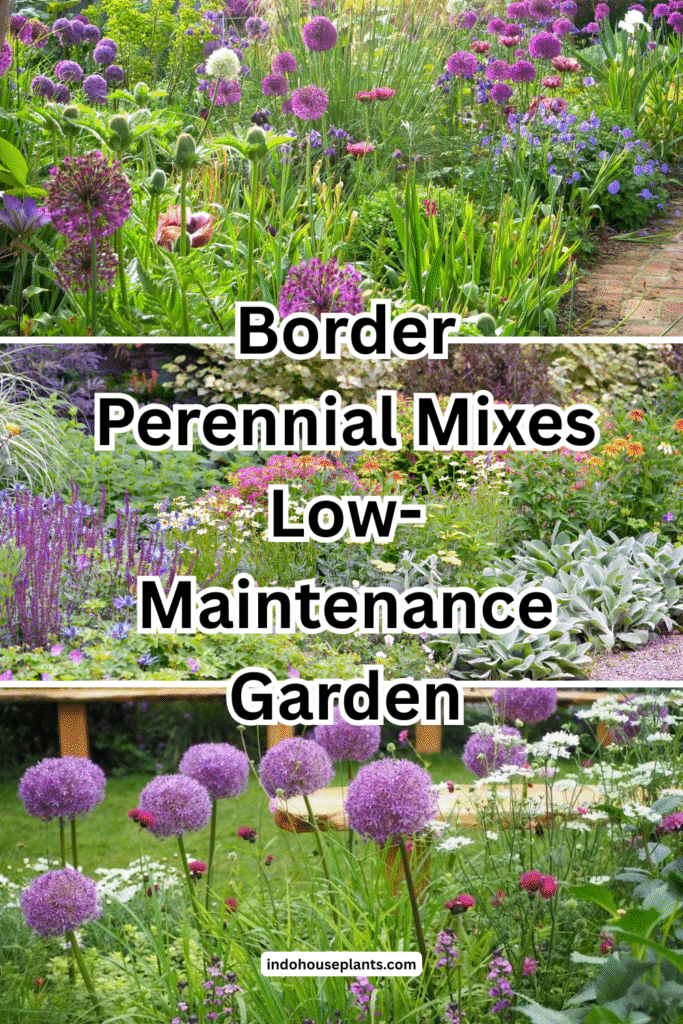
When I first dipped my toes into border perennial mixes, I was amazed at how much life they could bring to a garden without the fuss of replanting every year. There’s something deeply satisfying about watching a border evolve season after season—each bloom a gentle surprise that layers itself into a living tapestry.
Choosing a border perennial mix is part science, part art. It’s not just about picking pretty flowers. Over the years, I’ve learned that considering your garden’s personality—how much sun sneaks in, the quirks of your soil, and those local weather idiosyncrasies—makes all the difference. A mix that thrives in an urban garden in Chicago might struggle in a shaded, humid spot in Atlanta.
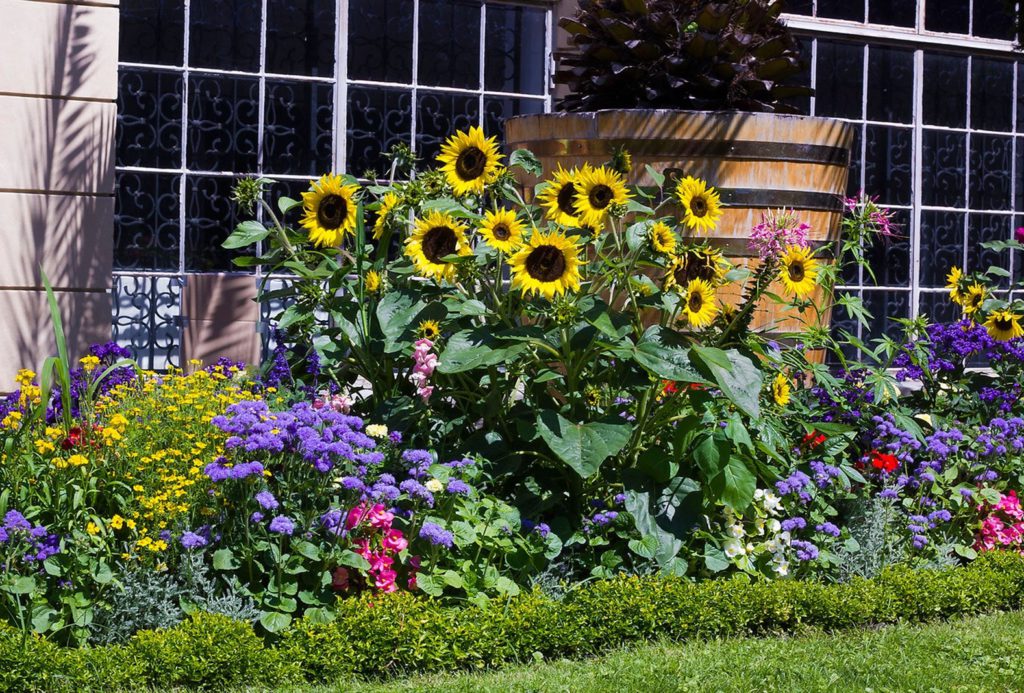
Here’s a little secret: most people don’t realize that the microclimate (your garden’s unique pocket of weather) plays a huge role in success. So while seed packets often say “full sun” or “partial shade,” take time to observe your spot throughout the day. I once planted a “sun-loving” mix in what I thought was a sunny border, only to discover that large oaks shaded the area by midday.
The lesson? Even sun-loving perennials can muddle through with a bit more patience and modified watering, but mixing in some shade-tolerant varieties saved me that first season.
What I’ve Found About Bloom Timing
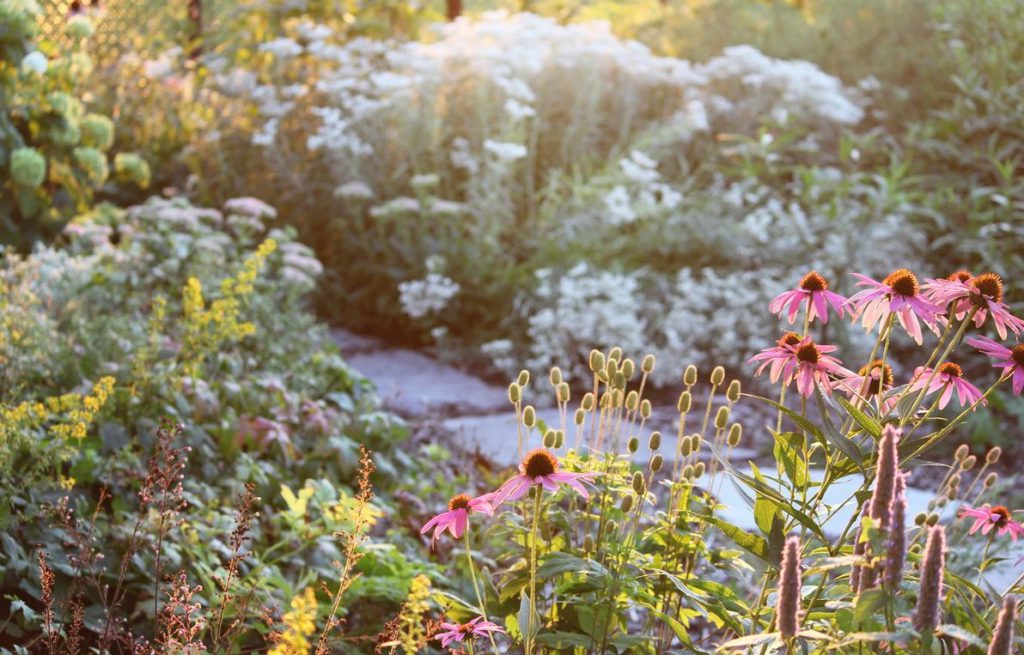
You’ll see a lot said about mixes having “layered bloom times,” but the magic lies in those overlaps. For example, coneflowers shine mid-summer, but if you pair them with a sturdy coreopsis that kicks off the party earlier and a late-blooming aster that steals the show in fall, your border doesn’t just bloom — it flows.
It’s like a well-curated playlist, where one song fades but another picks up, keeping the vibe alive. One time, my border had a surprise early bloom from Rudbeckia seedlings I hadn’t expected to flower the first year—they overlapped nicely with mid-season echinacea, turning what I thought would be a quiet early summer into a festival of color.
Start Small, Dream Big
If you’re new to this, resist the urge to go all-in with a massive planting area. I’ve seen many enthusiastic gardeners bite off more than they can chew—juggling watering, weeding, and pest control across a large border is intimidating.
Starting with a 10′ by 2-3′ strip is manageable, gives you quick feedback on what works, and builds your confidence. Plus, it makes you get to know your plants as individuals, their quirks, and how they respond to your care.
Soil Prep: The Unsung Hero
This part can’t be overstated. I used to cheat here, just digging a shallow bed and jumping straight to planting, only to wrestle with poor growth and unhappy plants. When I started really amending the soil with compost and loosening it deeply, the difference was night and day.

The plants took off faster, flowered more prolifically, and my watering needs dropped. Here’s what most folks overlook: the first 6-8 inches of soil is where roots do their magic. Investing time here pays dividends. A rich, loamy bed means you can sometimes skip extra fertilizer later.
Planting Tips From Experience
Sowing perennial mixes directly outdoors can be tricky because some seeds need light to germinate, and others don’t. I learned to lightly rake seeds into the surface without burying them too deep—think dusting flour on dough rather than kneading it in.
Keep them moist, but not soaked. When that first green peep pops up, it’s like a tiny victory dance. I once made the mistake of mulching too heavily before seedlings emerged, which caused slow germination. Now, I wait until sprouts are a couple of inches tall before applying a light mulch layer to keep weeds down without blocking sunlight.
Real-World Mixes That Work
Here are some pairings that have been reliable and rewarding for me:
- Sunny Border Mix Delight: Purple coneflowers, black-eyed Susans, coreopsis, yarrow, and Shasta daisies. This combo is a pollen buffet for bees and butterflies, turning your border into a mini wildlife haven.
- Wild, Free-Spirited Mix: Blanket flower, gaillardia, cosmos, and asters create a slightly untamed look reminiscent of prairies and meadows. It’s forgiving and hardy, perfect if you prefer a low-maintenance, natural feel.
- Shade-Friendly Border: Astilbe, hellebores, bleeding hearts, and ferns. Though I avoid trying to seed hostas this way since they come from divisions, these plants combined fill in shaded areas beautifully without the need for direct sun.
Overcoming the “Why Isn’t It Growing?” Phase
It’s totally normal to feel frustrated when seeds don’t pop immediately. Perennials can be slow off the mark, unlike impatient annuals that sprint out of the gate. One trick I use: I set reminders to check on moisture levels daily in the first weeks.
Dry soil is the silent killer. If you spot patchy growth, think about micro-adjustments—maybe that spot is drier or shadier than you realized. Weeds love to piggyback on any delay in growth, so hand-pulling them gently around your seedlings isn’t just a chore; it’s an act of partnership with your plants. Over time, your perennials will crowd out weeds, but the first year is critical.
Drought and Watering Wisdom
While mature perennials handle dry spells pretty well, seedlings are MVPs on moisture. I aim to give about an inch of water per week if rain is scarce, but in small doses. I’ve found that overwatering leads to rot and fungal problems, especially in heavy soil.
For more detailed guidance, the University of Vermont Extension Department of Plant and Soil Science has a great resource on perennial garden watering practices. Once my plants have thickened in, I confidently reduce watering and even let some species dry out a bit—it toughens them up.
Starting a border perennial mix is a gentle journey with plenty of rewards. You’re not just planting flowers; you’re crafting a living story that unfolds year after year. There’s no need to rush or overcomplicate it. A few well-chosen plants, a bit of soil TLC, and consistent care are your recipe for success.
If you want to dive deeper into tailoring mixes for your exact zone, the Missouri Botanical Garden’s Plant Finder is an excellent tool. In the meantime, grab a small seed pack, give your soil some love, and watch those first seedlings surprise you with their resilience. Gardening always teaches patience, but it rewards you with colors and life you simply can’t buy in a store.