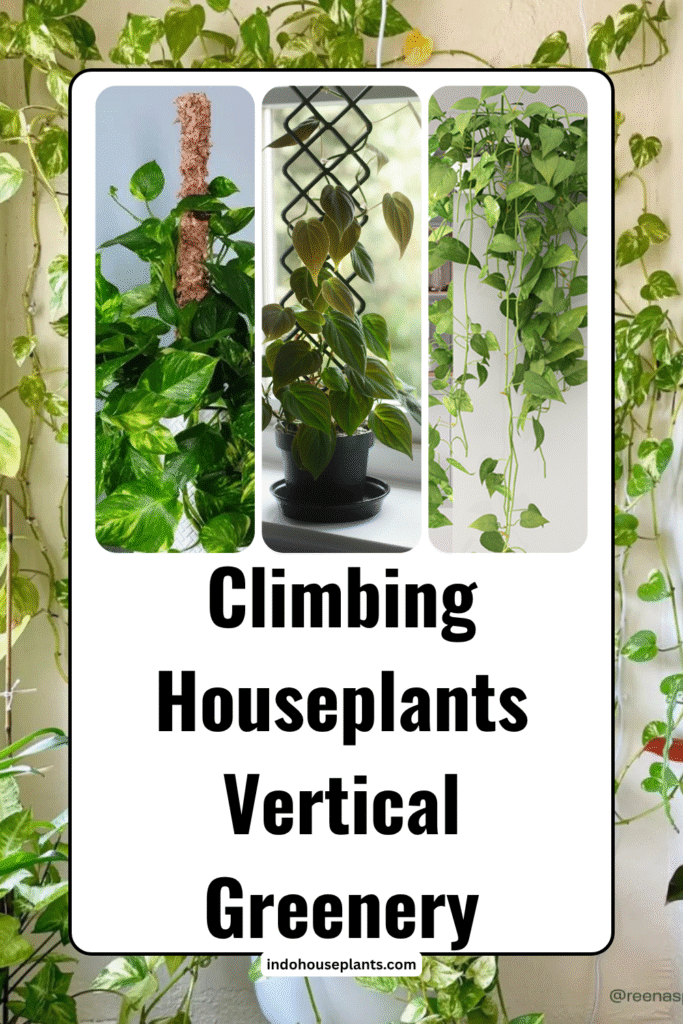
Climbing houseplants: honestly, they’re my secret weapon for making any space feel alive and a little bit wild—without having to buy out the local nursery. If you’ve ever stared at your pothos winding around itself on a shelf and wondered, “Am I missing something here?”—I totally get it. I was once convinced my plants hated climbing until I realized I was just missing a few key tricks that nobody really talks about.
Why Climbing Plants Are My Go-To… And Not Just Because They Look Cool
Between you and me, climbing houseplants have saved more than one of my sad corners from looking like storage space. The best part? These guys are usually up for anything—low light, neglectful watering schedules (guilty), even makeshift supports because I forgot to buy a moss pole again.
Here’s what most people don’t know: climbers adapt so well because in the wild, they’re scrambling for every scrap of sunlight under thick canopies. Give them a chance indoors with something to hold onto, and they’ll reward you with growth spurts that somehow make you feel like a plant whisperer—even if your last cactus didn’t make it.
Which Climbers Actually Thrive Indoors? The Real MVPs
Forget those rare collector’s plants that cost as much as rent; these are tried-and-true favorites from years of trial (and oh yes, error):
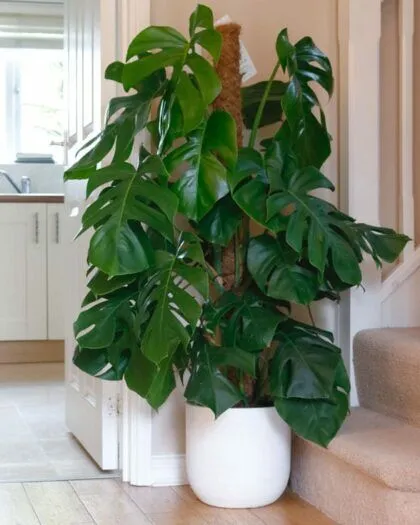
- Monstera deliciosa
Everyone raves about its split leaves, but here’s the real scoop: those fenestrations explode in size when you let aerial roots grip into something damp like a moss pole. I once grew one up an old broom handle wrapped in sphagnum moss—it doubled its leaf size in six months. - Pothos (Epipremnum aureum)
If you can keep this one alive in water for months (been there during busy stretches), imagine what it does when finally given vertical room to climb! Mine went from leggy to lush after tying it up with brown twine on bamboo stakes from the dollar store. - Heartleaf Philodendron
This plant forgives almost everything except soggy soil. Tuck its vines around literally any support (I once used chopsticks in a pinch) and watch how quickly it pivots upward. - Hoya carnosa
Not everyone knows mature Hoyas will bloom if they’re happy climbing. Let them wrap around thin wire or even curtain rods—they’ll surprise you with waxy flowers that smell faintly of honey at night. - Syngonium (“Arrowhead Vine”)
Secret tip: prune back leggy stems early and encourage new ones to climb—don’t wait till it gets straggly or it’ll resist training later.
MacGyver-ing Supports (Because Moss Poles Sell Out Fast)
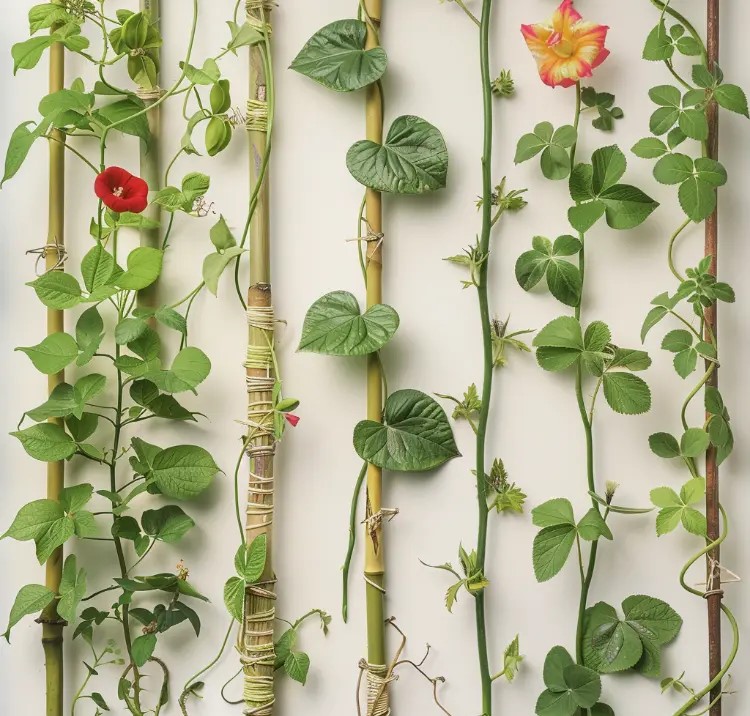
You don’t need fancy gear—seriously. Years ago, after spending way too much money on “plant accessories,” I started making supports out of whatever was handy:
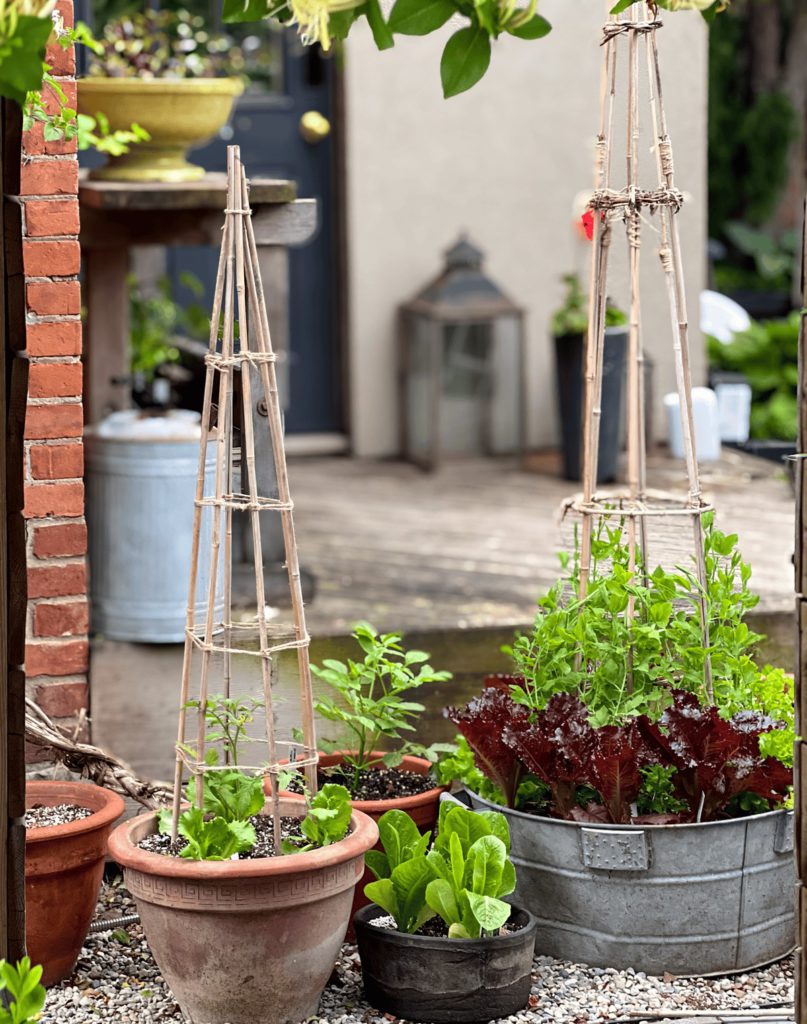
- Cleaned driftwood branches look gorgeous and cost nothing.
- Bamboo stakes bundled together with zip ties make sturdy poles.
- Command hooks + garden twine = instant vertical wall garden.
- Even old tomato cages can work if you snip off the big loops.
Here’s a trick: Add supports early, before your plant gets tangled or top-heavy. Young stems are soft; older ones snap if you try to train them suddenly (ask me how I know…).
Guiding Your Plant Upwards Without Drama
Been there myself—overthinking every twist and tie until I realized plants aren’t fussy about aesthetic perfection:
- Wrap vines gently along their support—never force. If a stem won’t bend easily, leave it alone until new growth appears.
- Bread bag twist-ties work great for young vines; later on upgrade to soft Velcro plant tape ($3 at hardware stores lasts forever).
- Every two weeks or so, walk by with your coffee and nudge new shoots toward their next anchor point—no marathon staking sessions required.
Watering & Light: The “Don’t Overthink It” Edition
Most guides will overwhelm you with humidity charts and soil science—but here’s what actually mattered in my experience:
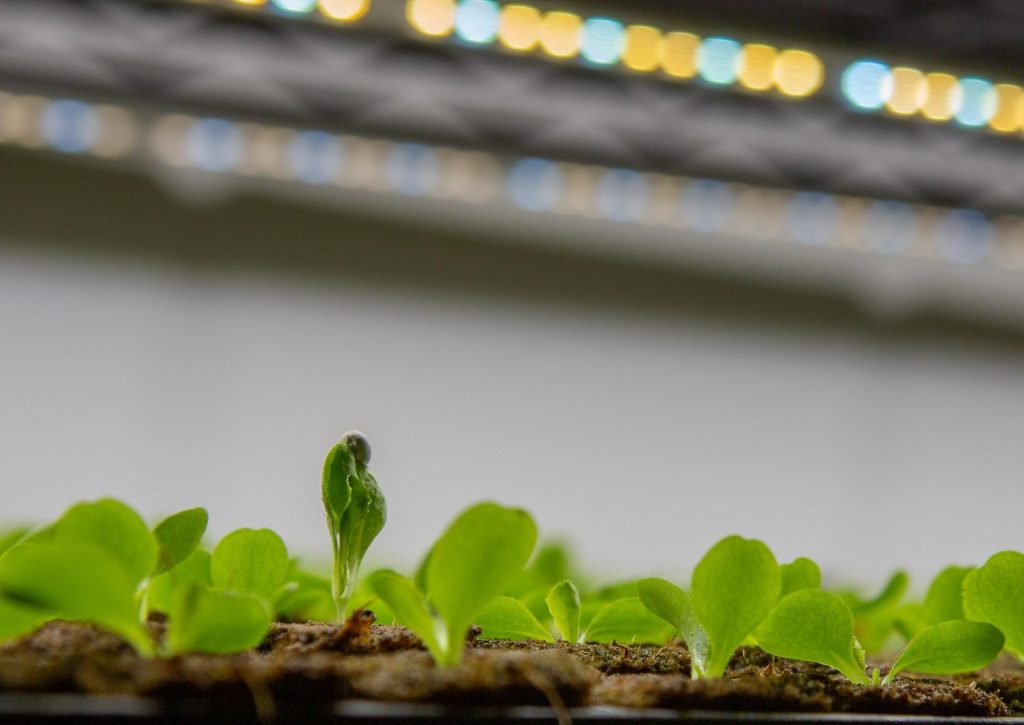
- Bright but indirect light leads to bigger leaves and faster climbing.
- Water deeply only when the top inch dries out—poke your finger in! If unsure, wait another day; underwatering is fixable but root rot isn’t.
- Grouping climbers together raises humidity just enough—even two or three plants clustered makes a difference during dry winters.
If brown tips show up? Nine times out of ten it’s inconsistent watering or dry air from heaters—try misting lightly or putting bowls of water nearby instead of fussing over humidifiers.
Real-Life Wins—and Lessons Learned
Let me paint some pictures from my own windowsills:
Tiny Apartment Hack:
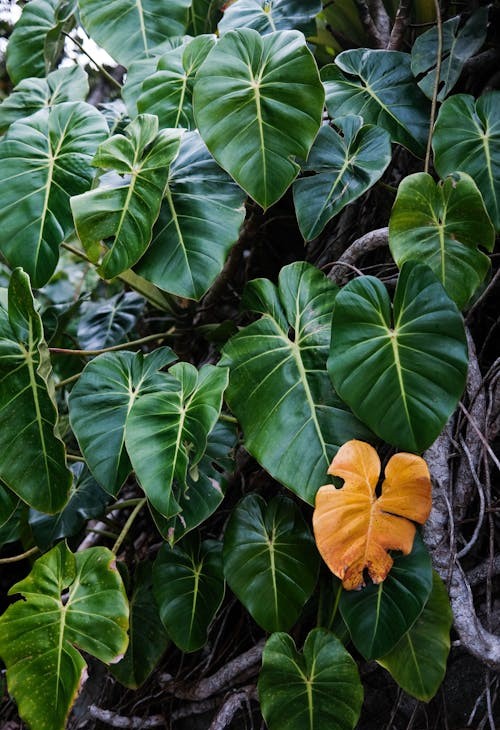
When living in an apartment barely larger than my kitchen table back in 2019, I trained a Philodendron up an Ikea coat rack repurposed as a trellis behind my sofa—it turned into this lush green screen that made Zoom calls look professionally staged (my secret: hid all the ties behind leaves).
No-Wall Office Solution:
At work, someone challenged me to green up our gray cubicle desert without drilling holes—I taped fishing line between desk shelves using clear tape and looped Pothos tendrils around them every Friday before leaving for the weekend. By springtime? My coworkers swore someone had swapped out fake vines overnight.
DIY Wall Art:
Inspired by Pinterest disasters, I created vine letters spelling “hello” above my bed using Syngonium trained along pushpin hooks—took patience but guests still ask how long it took (answer: about three podcasts’ worth each week).
Troubleshooting From Someone Who’s Killed A Few Vines
I’ve seen every beginner mistake firsthand (sometimes twice):
[IMAGE: A close-up shot showing a healthy green plant stem being gently tied to a support with soft Velcro tape]
Yellow leaves? Usually too much love via water—not light deprivation as many think.
Solution: Cut back watering and resist misting unless humidity is truly awful.
Vines going floppy instead of upright? Support was added too late or not stable enough.
Solution: Gently untangle and lay vines against new supports; use extra ties at first if needed—they’ll adjust given time.
Brown edges creeping up leaves?
Usually dry indoor air + skipping water cycles during busy weeks.
Solution: Group plants together—or pop them into the bathroom during showers for free humidity boosts!
If things go sideways anyway… don’t sweat it too much; cut off dead bits and cheer on new growth instead of dwelling on what went wrong. For more detailed care, the Missouri Botanical Garden’s Plant Finder is a fantastic resource.
Building Confidence As You Grow
This is honestly what kept me hooked on climbers: they bounce back from chaos better than most people expect! Every tangled vine taught me more than any perfect Instagram photo could have—from why Monsteras need chunky soil mixes (root rot alert!) to how Hoyas sulk for months before bursting into blooms unexpectedly.
Sometimes less is more—let your plant tell you what it likes before jumping onto trends (“leca” balls were not worth the mess for me). Experimentation beats perfection every time; trust your gut as much as anyone else’s advice… including mine!
What To Try Next Weekend
- Pick whichever beginner-friendly climber grabs your attention—or grab one already trailing across your shelf!
- Raid your junk drawer or yard for possible supports before buying new stuff—you’d be surprised how many things work once cleaned off.
- Pot up fresh if roots are circling tight; insert support early so roots aren’t shocked later.
- Tie main stems upward gently—a little asymmetry means character!
- Park near bright indirect light; check weekly who needs rerouting or watering next—and celebrate each new shoot as proof you’re getting somewhere!
Watching those first tendrils curl willingly around their pole feels oddly like winning at adulthood… even if last week’s laundry is still sitting unfolded nearby.
Climbers are forgiving teachers—and honestly? That sense of accomplishment when yours finally stretches past the window frame never gets old. Happy growing—you’ve got this!