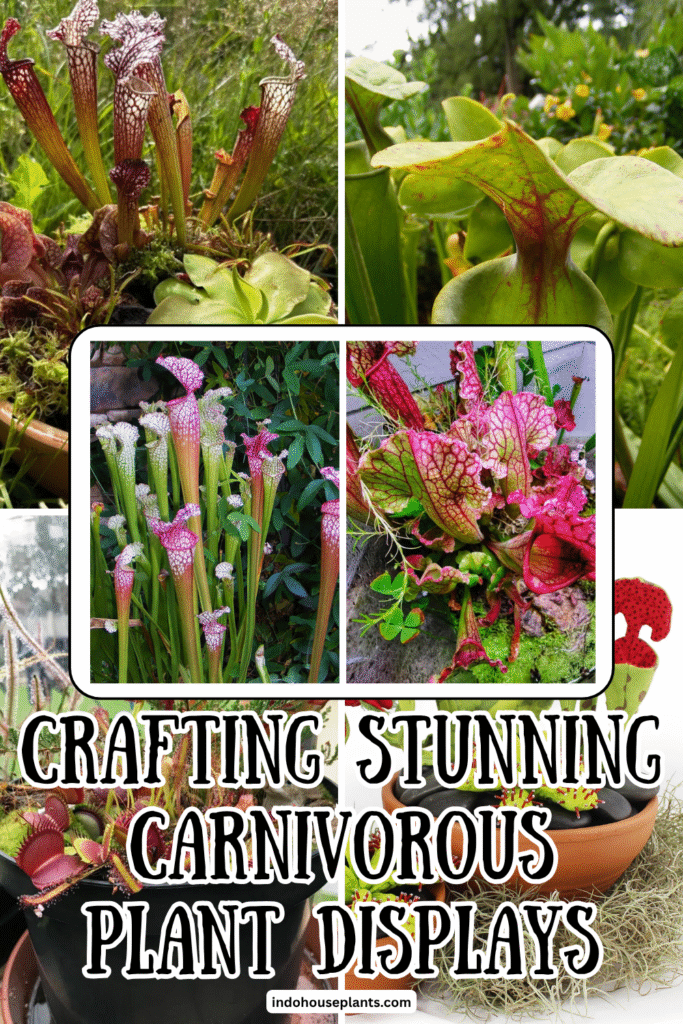
Setting up a carnivorous plant display isn’t just about slapping some plants together in a pot—it’s about crafting a living tableau that whispers of wild places where nutrient-poor soils force plants to become tiny hunters. I remember my first hunt for sundews and Venus flytraps; it felt like assembling a botanical puzzle where each piece demanded just the right conditions to flourish and wow visitors.
Here’s the thing most people don’t realize: carnivorous plants aren’t just quirky conversation starters—they’re delicate ecosystems you build from scratch. They thrive on consistency, but that doesn’t mean you have to be a horticulture wizard. The key lies in mimicking the rhythm of their native boggy habitats and thinking like a little carnivore yourself.
The Magic of Compatible Companions
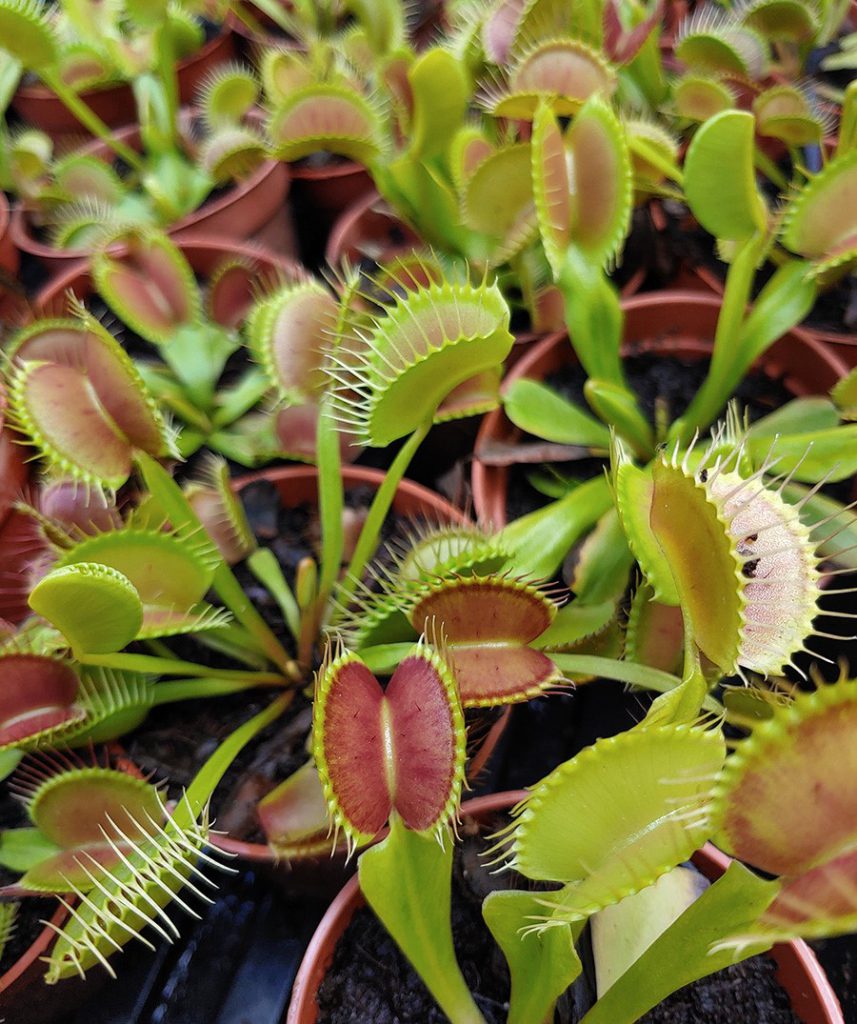
When I first started, I tried mixing every carnivorous plant I could find into one big container. Bad move. It was like throwing desert and rainforest animals into the same cage and expecting harmony. Venus flytraps want bright, somewhat cooler spots with soil that’s perpetually wet but well-drained. Sundews often share these needs, but pitcher plants (especially tropical Nepenthes) require more humidity and warmer temps.
Once I separated them into smaller groupings by their needs, I noticed the plants began to “smile” more—traps snapped tighter, sundew droplets glistened brighter, and growth was visibly healthier.
My tip: start simple with Venus flytraps and sundews together in a shallow tray with 70% sphagnum peat moss and 30% perlite. This combo keeps soil light and airy but moist enough to keep roots happy.
The Secret Sauce Is Soil and Water
One surprising earthquake in my carnivorous care journey was ditching tap water entirely. The minerals in tap water will quietly sabotage your plants’ delicate roots. When I switched to distilled or rainwater, the difference was night and day—plants looked revitalized within weeks. If you’re like me and don’t have easy access to rainwater, invest in distilled water at your local pharmacy or grocery.
Another revelation: I always thought these plants wanted standing water, but overdoing it led to mushy traps and root rot. Now I keep the tray filled enough that the soil is moist but never flooded—if the water level creeps up too high, I gently pour it out in the morning. It’s a balance, like walking a tightrope between soggy and dry.
Lighting That Brings out the Wild Side
Carnivores adore light—they need it like a cat needs a warm windowsill. But direct, harsh sunlight can burn their delicate traps, turning them dark and lifeless. My east-facing windows became my go-to for morning sun followed by a tree-shaded afternoon; the plants seemed to soak it up without complaining.
When natural light isn’t an option, don’t hesitate to get a high-quality full-spectrum LED grow light. I set mine on timers for 12 hours a day, and I swear the plants start perking up an hour after lights come on, almost like a morning stretch. Remember, they evolved under sun-dappled canopies, so it’s about bright indirect light, not oven-hot rays.
Styling Your Display? Think Natural but Clean
I like displays that feel like miniature wild patches rather than neat office desk plants. When I set a shallow wooden box lined with plastic and layer it with sphagnum moss atop peat/perlite soil, I add a few small, smooth river stones and a piece of driftwood from beach vacations. It’s subtle but adds textural contrast and helps retain humidity.
One hack that elevates your display: use glass cloches or wide-mouthed jars for humidity, but remove them daily for airflow to prevent mold. The plants hate being suffocated but thrive in crisp, humid air. Also, keep your display uncluttered so the tiny traps and shimmering dew drops remain the stars.
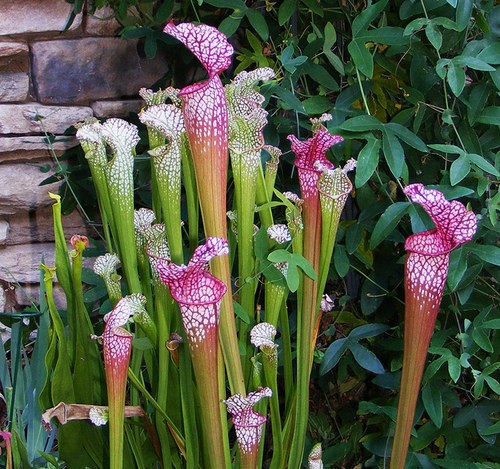
Feeding Without Fuss
It’s tempting to overfeed these fascinating plants, but most beginners don’t realize that carnivorous plants actually get stressed if you trigger their traps too often. I feed my Venus flytraps live fruit flies only about once a month when no bugs are buzzing around naturally indoors. Occasionally, I catch a gnat or an ant and toss it in, but I don’t go hunting insects—that’s a quick path to fatigue for the plants.
I’ve learned that healthy traps naturally catch insects if placed near windows or in rooms with some insect activity. If you’re in an urban setting with zero bugs, feeding is a nice supplement—but don’t sweat it. For more details, the International Carnivorous Plant Society has a great resource on feeding your plants.
Real-Life Setups That Spark Joy
- My First Display: An 8×10 ceramic tray with two Venus flytraps flanking a patch of red-tinted sundews. Placed on a windowsill with filtered morning light, kept moist with distilled water in the tray’s bottom. This became my go-to conversation starter and a visual magnet for houseguests.
- The Mini Terrarium Experiment: I built a glass jar setup without a top—this lets air circulate while maintaining humidity. Inside, I planted butterworts with sundews nestled in moss. Compact, green, and mysterious, it became an instant desk companion and a way to brighten low-light spots.
- Seasonal Outdoor Window Box: Once spring hit, I moved a narrow wooden box full of pitcher plants and sundews outside, layering with live Sphagnum moss for that extra moisture boost. It thrived with morning sun and afternoon shade, and the buzzing of insects made feeding unnecessary.
When Things Go Sideways—and How I Fixed It
- Black, Mushy Traps: Cutting back on watering and improving airflow saved me from losing too many traps. Pro tip: elevate your tray on stones inside a larger water tray to prevent stagnant water sitting directly under roots.
- Trap Laziness: Moving plants closer to a bright window revived sluggish Venus flytraps. Also, resist the urge to pop traps just for fun—they only close a limited few times before that trap dies.
- Mold and Algae Invaders: Opening a window near the display and removing any moldy soil layers helped. Adding tiny pebbles on top of the soil prevents water from pooling on the surface, reducing algae growth.
- Lack of Bugs: When indoor flies are nonexistent, a tiny pinch of freeze-dried bloodworms or small crickets (sold in pet stores) can be a treat, but only sparingly. Overfeeding causes rot fast.
You’re Closer Than You Think
Every newbie feels a bit intimidated at first—these plants are like living puzzles where each piece must align. But the magic is in the process; just a little daily observation and tweaking creates a captivating miniature world right on your windowsill.
I still remember the sense of triumph seeing my first Venus flytrap snap shut on an unsuspecting fly—that moment made every bit of care and fuss worthwhile. Embrace your green-thumb adventures, lean into the quirks and oddities of these incredible plants, and you’ll soon find your display not just a hobby, but a wild, breathing story.
What to Do Today: Make It Personal
- Hunt locally or online for small Venus flytraps and sundews—support tiny growers or hobbyists whenever you can.
- Pick a container that sparks joy (I have a fondness for reclaimed wooden trays).
- Mix your own soil from sphagnum peat moss and perlite—avoid pre-fertilized commercial mixes that kill carnivores.
- Use distilled water like it’s liquid gold; it really makes all the difference.
- Find a window spot with gentle morning light or invest in a decent grow light.
- Water carefully, observe daily, and celebrate small victories like a trap closing or a new leaf unfurling.
Carnivorous plant displays aren’t just about plants—they’re a lesson in patience, observation, and connecting with a wild side inside your home. Dive in, and watch a miniature jungle spring to life under your care.