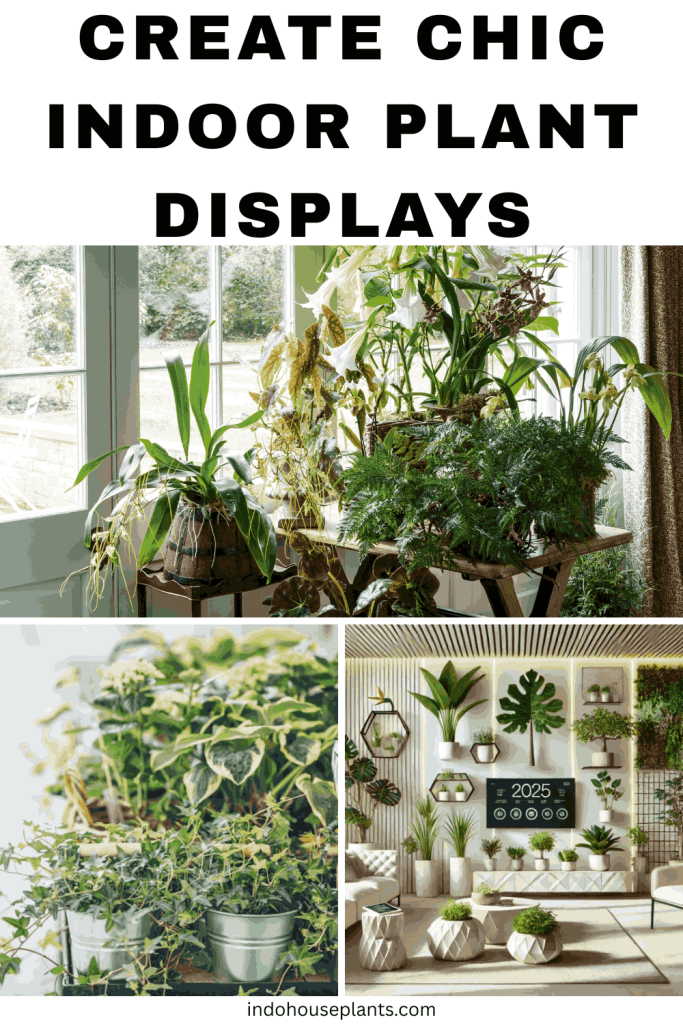
When I first started bringing indoor plants into my living space, it wasn’t just about filling empty corners—it was about creating little pockets of life that felt as curated as any art piece on the wall. But here’s what most people don’t realize: a chic plant display isn’t just about having a bunch of greenery. It’s a dance of textures, heights, and containers that tells a story about your space and personality.
The Secret Sauce: Why Variety and Storytelling Matter More than Perfection
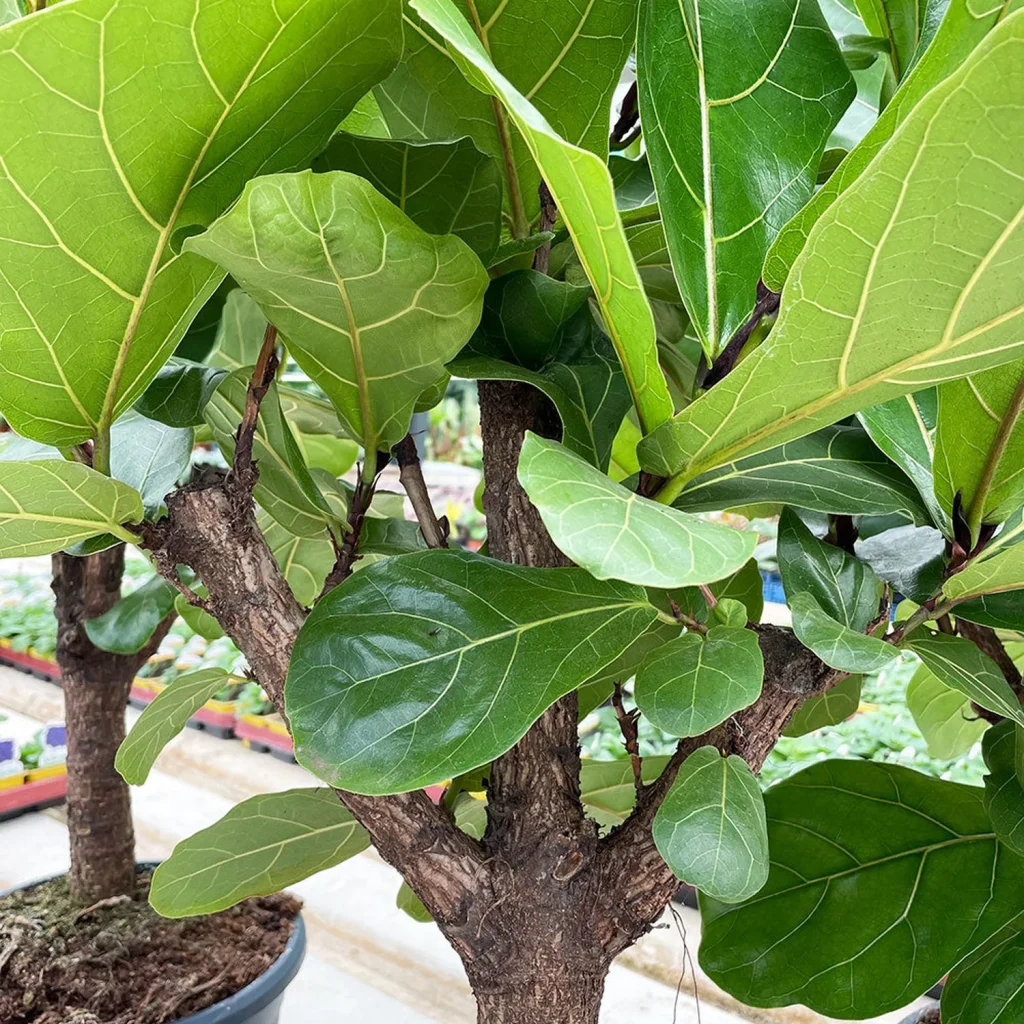
My own go-to? Mixing a towering fiddle leaf fig that commands attention with a ragtag family of smaller plants I’ve collected from quirky local stores and even neighborhood swaps.
The fiddle leaf fig doesn’t live in a standard pot—it’s nestled in a raw clay planter I grabbed from a weekend market, slightly imperfect but full of character. Nearby, I have a cluster of tiny succulents in brightly colored ceramic cups I found on a thrift hunt.
This blend of heights, materials, and origins is what brings a room to life. It’s imperfect but intentional, and that’s way more engaging than a showroom display.
How I Approach Building a Chic Indoor Plant Display—and What You Can Steal from It
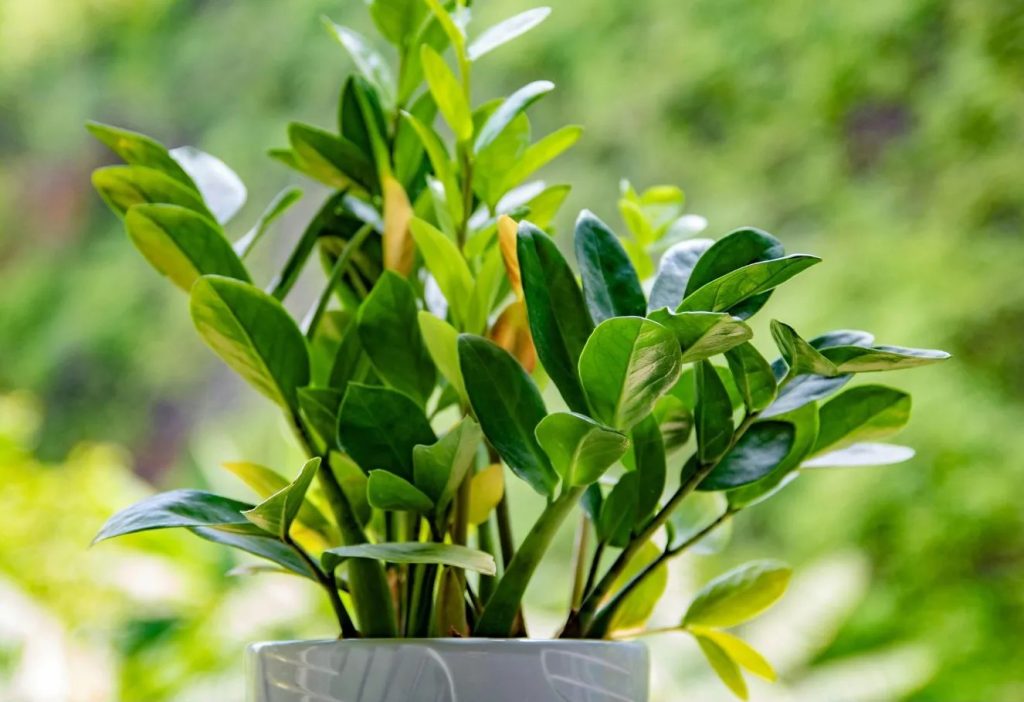
- Pick Plants that Speak Different Languages Not in the botanical sense, but in how they bring energy. A lanky snake plant is like that cool friend who always stands tall and looks sleek, while a pothos with trailing vines is the free spirit who softens the vibe. I like pairing a “statuesque” plant with something more relaxed or whimsical—it’s the contrast that keeps things interesting. Pro tip: go beyond the usual suspects. I can’t recommend enough trying a ZZ plant or a calathea if you want something with a bit of drama that doesn’t scream “I’m a houseplant.”
- Choose Containers Like You’re Curating Art Instead of hunting for perfectly matched pots, I look for containers that tell a story or add texture. For example, a matte black ceramic planter might sit beside a rattan basket in a space that’s otherwise filled with clean lines. Mixing materials like metal, clay, and fabric-wrapped pots adds layers of tactile interest. Once, I found a vintage brass planter at a flea market and gave it life with a hearty snake plant—it instantly became a conversation starter. Don’t be afraid to repurpose unexpected items as planters—a favorite mug, a wooden bowl, or even a concrete block can bring a fresh edge.
- Layer Heights with Everyday Objects Here’s a hack that changed the way I display plants: instead of buying expensive stands, I use books, vintage crates, or even stacked wooden trays to create different levels. One time, I stacked a bunch of hardcover art books to elevate a medium-sized philodendron—it made the whole arrangement feel deliberate and elevated the vibe. The key is not to create clutter but to allow each plant to breathe and be seen. When you arrange a tall plant next to lower ones on varied surfaces, it feels less like a collection and more like a living installation.
- Keep Accessories Intentional and Minimal I used to overload my plant corners with decorative bits, but the greens need room to shine. Now I pick one or two subtle accessories—maybe a small brass sculpture or a woven coaster. Even a simple stone or a dried palm leaf can add understated charm without stealing the show.
- Know Your Light—and Work With It, Not Against It I’ve ruined my share of plants by being oblivious to light conditions, so trust me when I say: get to know your home’s quirks. My east-facing window floods my fiddle leaf fig with gentle morning sun, but the far corner gets no direct light, so I saved that spot for a tough-as-nails snake plant. It’s about matching each plant’s personality to its natural home within your space.
Real-Life Setup That’s More Than Instagram-Worthy
I turned an overlooked corner into a personal sanctuary by placing a tall fiddle leaf fig in a textured clay pot on the floor. Beside it, a stack of hardcover books elevates a trailing pothos in a geometric concrete planter I DIYed with concrete mix and a mold from the craft store.
Above, on a simple wall shelf, I arranged a few succulents in vintage glass containers I sourced from old estate sales. The mix of old and new, smooth and rough, tall and tiny, creates a layered look that feels curated but approachable.
What Most People Don’t Know: The Magic of Repurposing and Personal Growth
I see indoor plant styling as a journey, not a one-and-done project. My first attempts were awkward and overcrowded; I bought identical plastic pots and stuck plants wherever they fit.
Over time, I learned there’s real joy in hunting for the “right” pot, swapping out plants seasonally, and playing with height in unexpected ways. That old crate you find on the curb can be the perfect plant stand with a little TLC.
Personalizing containers by painting them or wrapping them with natural fibers adds warmth and a bespoke element to your space.
Troubleshooting—Because It’s Not Always Instagram Perfect
- Plants Looking Crowded? Give each plant its own little stage. I’ve found that even moving a large plant just a foot away from its neighbor breathes life into the display.
- Light Is Limited? My go-to for tricky light spots has been the ZZ plant. It’s nearly indestructible—walking proof that plants can thrive without pampering. [LINK: The Spruce’s ZZ Plant Care Guide – https://www.thespruce.com/zz-plant-care-1902775]
- Confused About What to Buy? Instead of big box stores, local plant shops or community plant swaps are fantastic for finding unique varieties and picking up insider tips from fellow plant lovers.
Your Next Move to Build a Chic Indoor Plant Corner
Start with three to five plants of different sizes—maybe a fiddle leaf fig, a pothos, a snake plant, and a handful of your favorite succulents.
Next, seek out pots that feel like they belong in your space—even mismatched is a plus if they share a mood or material vibe. Find a corner, shelf, or table to play with layers—don’t be afraid to get creative with everyday items as risers.
Arrange, step back, and then move a few pieces around until it feels like a stylish, living vignette you want to hang out with every day.
Indoor plant styling is about more than plants—it’s about cultivating a little green sanctuary that feels alive, cozy, and unmistakably yours.
When you tap into your creative side and let your space tell a story through your plant choices and displays, it stops being just décor and becomes a daily source of joy. Believe me, once you start, you’ll be tweaking your setup just to see what new vibes you can create—and that’s where the real magic lives.