When I first welcomed my curious cat, Luna, into our plant-filled home, I quickly realized that my beloved greenery could be a hazard. It wasn’t just about aesthetics anymore—each leaf and frond needed a green light from Luna’s safety board. That’s when I dove deep into cat-friendly plants, turning what felt like a minefield into a leafy playground that both of us enjoy.
Here’s the deal: cats chewing on plants isn’t just some quirky habit. It’s deeply rooted in their instincts—sometimes to help digest furballs, sometimes out of curiosity, or simply boredom. But let’s be honest, discovering that your lush philodendron can poison your cat is enough to send any plant lover into panic mode. The good news? There are beautiful, resilient plants out there that won’t harm your fur baby and might even enrich their world.
Why It’s More Than Just “Non-Toxic” Plants
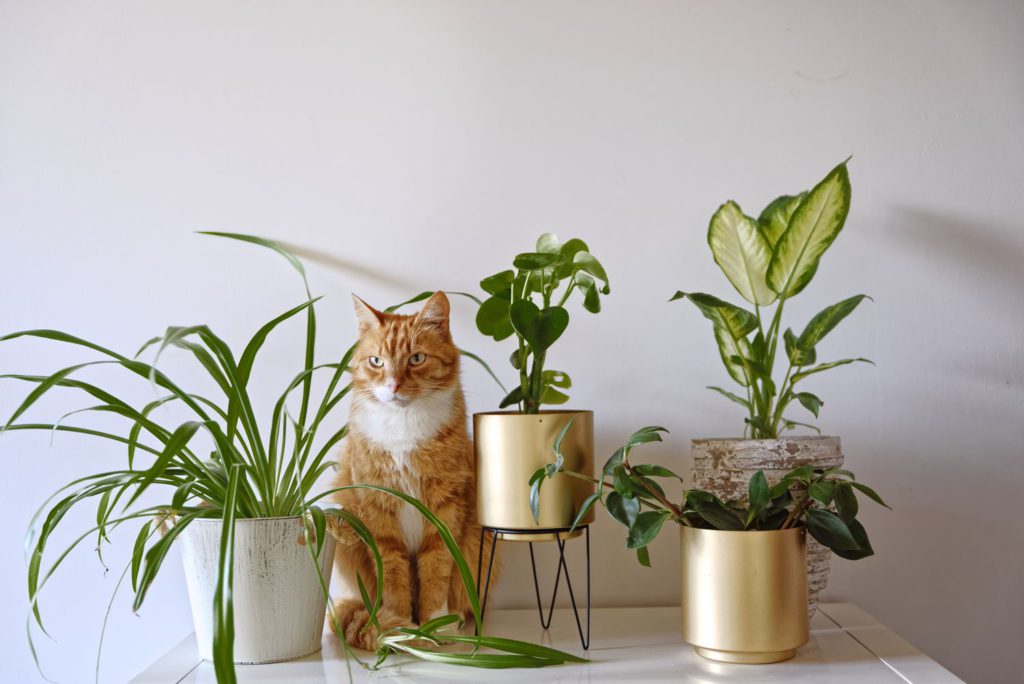
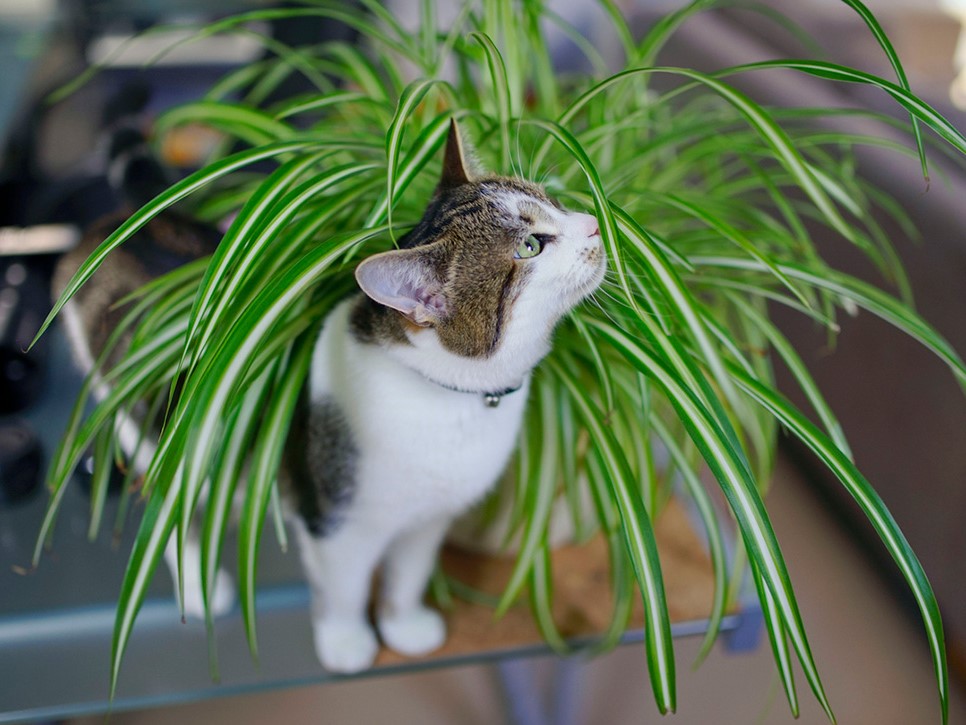
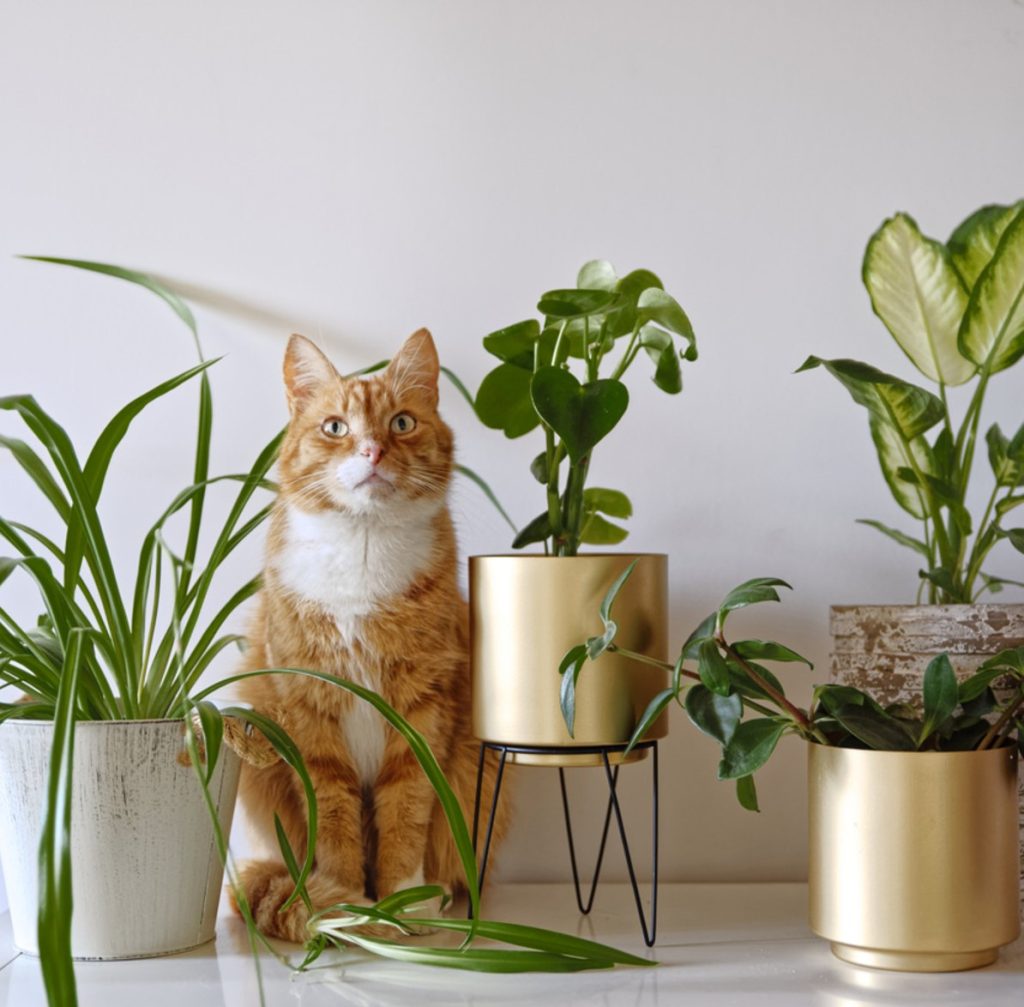
Most lists will talk about “non-toxic” plants and stop there. But here’s what most people don’t know: some plants actively engage cats positively. For example, spider plants don’t just tolerate a nibble; many cats actually enjoy them, sometimes even more than catnip. I saw this firsthand with Luna, who would bat around the dangling baby spider plant shoots like toys before casually chomping on a leaf here and there. It’s like nature’s cat entertainment system.
That subtle interaction? It’s important. The right plant can offer sensory stimulation, reduce boredom, and even encourage gentle play. This goes beyond just safety—it’s about enhancing your cat’s environment.
Plants That Have Made It to Luna’s VIP List
- Spider Plant (Chlorophytum comosum)
I learned that spider plants are strangely addictive to cats. Luna’s fascination with the arching leaves gave me my first confidence that plants and cats could coexist. They’re also stunningly easy to care for and clean the air, which means double points for both of us. - Boston Fern (Nephrolepis exaltata)
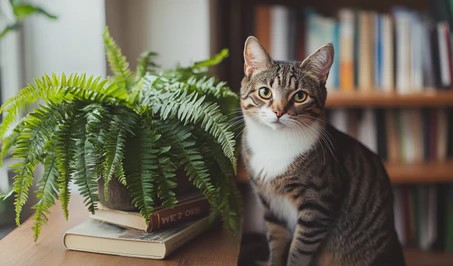
These lush ferns turned out to be almost cat-proof in terms of interest—Luna usually ignored them, but I never worried about toxicity. I set one on a humidifier nearby, which created a small ecosystem her plants and she seemed to appreciate silently. - Catnip (Nepeta cataria)
Everyone knows the classic effects, but what’s magical is how it can mellow a hyperactive or stressed cat. I grew a pot on the windowsill, and watching Luna roll and paw at it became a daily joy—a mini therapy session for her that also made for great bonding. - Areca Palm (Dypsis lutescens) and Bamboo Palm (Chamaedorea seifrizii)
If you want that tropical vibe without worry, these palms are your go-tos. Their hardy nature means they survive feline curiosity (and occasional knocks) while adding a lush presence in your living space. - Edible Herbs: Basil, Rosemary, Parsley
A bit unconventional, but having kitchen herbs that are safe for cats is a win-win. Luna sometimes nibbles on parsley, and the aroma fills the room with freshness. Plus, they’re functional for cooking!
Personal Lessons That Changed My Approach
I once made the mistake of placing a spider plant on a flimsy shelf. Luna’s enthusiasm for exploring led to a messy plant topple and a panicked clean-up. Lesson learned: stability matters. Heavier pots and sturdy stands are my go-to now.
Another revelation was observing Luna’s subtle cues—she completely ignored Boston ferns but was immediately drawn to anything dangling, like spider plant shoots or catnip leaves. Paying attention to those preferences helps me rotate and place plants better, minimizing plant stress and maximizing her enjoyment.
Keeping Your Feline and Foliage Happy Without Compromise
- Strategic Placement Is Key: Put plants where your cat can explore safely but can’t accidentally send them crashing. I love windowsills and raised shelves with wider bases.
- Weight and Texture Matter: Heavy pots prevent disasters, and varying leaf textures can satisfy different feline chewing urges.
- Ditch the Chemicals: Organic, pesticide-free plants are a must. You don’t want to invite toxins in any form.
- Introduce Slowly and Observe: It’s not a one-and-done—adding new plants should be a gradual and monitored process to catch any odd behavior early.
- Cat Grass Is a Game-Changer: Growing oat or wheatgrass has been one of the best additions. Luna munches on it happily, and it often diverts her from the other plants.
When You Can’t Avoid Risky Plants
If you’re like me and love a few plants that aren’t safe—those gorgeous but toxic lilies or philodendrons—keep them in rooms off-limits to your cat, or behind glass terrariums if possible. I’ve also used natural deterrents like citrus peels near riskier plants, and sometimes a spritz of bitter sprays designed for pets. It’s not foolproof but a layer of prevention that’s saved me from heartache.
Why This Matters Beyond Safety
Choosing cat-friendly plants is also about creating a space where your pet feels enriched and engaged—not just protected. I noticed Luna seemed less restless after we added a mix of spider plants, catnip, and cat grass. She had little green “destinations” in the apartment that offered stimulation and comfort. Plants became part of her environment, not just decor for mine.
Ready to Green Your Home Safely?
Start with one or two plants suited to your light situation—spider plants glow under indirect light; Boston ferns thrive when humidity is higher—and see how your cat responds. Buying from organic growers means you’re skipping pesticides that could sneak harm in. Then, place your new green friends where your cat can safely investigate without toppling pots.
Over days and weeks, watch your cat’s behavior. Is she playful, curious, or indifferent? Any adverse reactions? Trust your instincts here; no one knows your furry companion better than you.
And don’t forget the joy of growing your own catnip or cat grass for those special moments of feline delight.
I still remember the peace of mind I felt the first time Luna curled up next to her spider plant, batting the leaves softly as she dozed. That small moment felt like a victory for both of us—proving you can have thriving plants and a happy, safe cat sharing the same space. Trust me, once you find your rhythm, your home can be a lush sanctuary where both plants and paws coexist beautifully.