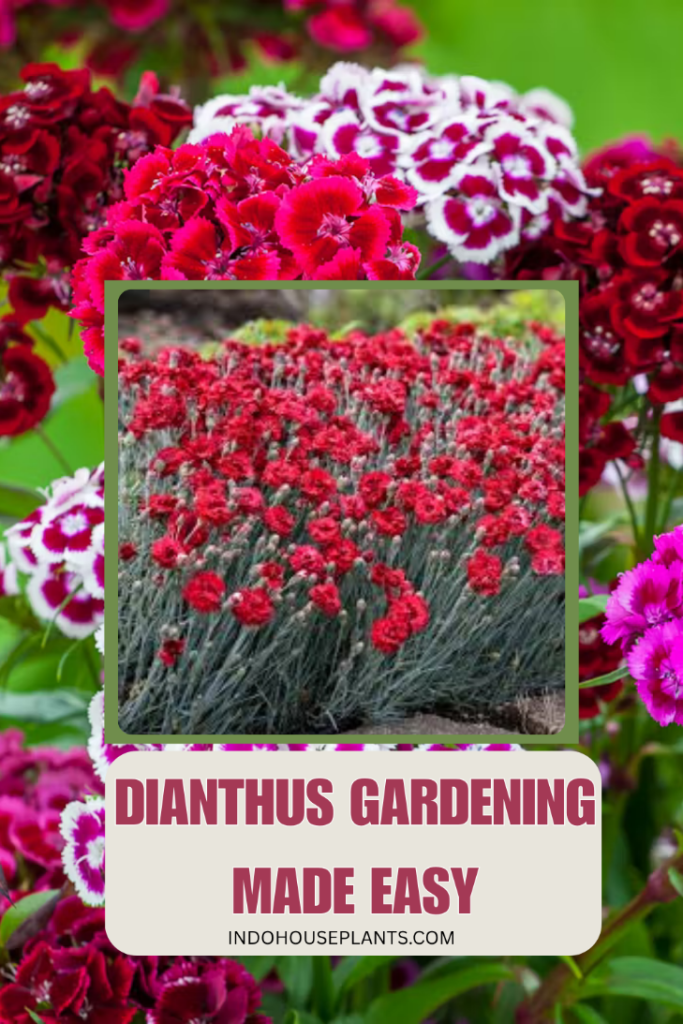
There’s something quietly magical about planting a Dianthus bed. It’s like inviting a little burst of color and scent that feels both old-fashioned and fresh at the same time. I remember the first time I tackled a patch of Dianthus in my own garden—not knowing if I’d mess it up—and ended up with one of the most cheerful and fragrant corners I’d ever had. Here’s what I learned from living with these charming plants, and why they’re more forgiving and rewarding than you might expect.
Picking the Perfect Spot: More Than Just Sunlight
Dianthus is pretty clear about needing at least six hours of sun, but here’s what most people don’t know: it’s not just about the direct sunshine but about that particular kind of sun. Morning sun is gold for Dianthus. It helps dry dew quickly, which reduces fungal risks significantly.
If you have a spot that bakes in the afternoon, that’s fine too—but ensure there’s some breeze. I’ve found that morning sun plus good airflow is the secret to keeping those delicate petals vibrant and healthy.
On my very first Dianthus bed, I made the mistake of planting near a dense shrub. By afternoon, the soil was still damp and the flowers looked tired. Once I moved them to a more open, sunlit spot that caught early light and air, everything perked right up.
Soil Prep: The Unsung Hero of Happy Dianthus
Dianthus hates soggy conditions as much as I hate slogging through a muddy garden. If your soil isn’t naturally sandy or light, don’t stress—it’s all fixable. Mixing in organic compost with coarse sand or fine gravel can transform a stubborn clay patch into a cozy, well-drained home for your Dianthus.
Here’s a trick that’s saved me on heavy soil: I use grit or coarse builder’s sand around the base of each plant when planting. It improves drainage right at the root zone, giving Dianthus the “feet” they prefer without turning your whole garden into a sandbox.
Also, don’t underestimate soil pH. My Dianthus didn’t shine until I tested the soil and realized it was acidic. Adding lime to nudge it toward neutral made a night-and-day difference. If you don’t have a soil test kit, your local extension office can help you out for little or no cost.
Choosing Your Dianthus: Mix and Match for Charm and Longevity
Each Dianthus variety adds its own personality to the garden:
- Dianthus barbatus (Sweet William) feels like a burst of old-world charm with clusters of vivid blooms—perfect if you want a cottage garden vibe.
- Dianthus caryophyllus (Carnations), with their spicy fragrance, are incredible in cut flower collections and add elegance.
- Dianthus deltoides (Maiden Pink) acts like a gentle ground-hugger, perfect for weaving between stepping stones or front-of-border planting.
- Dianthus chinensis (Chinese Pink) packs a punch of bright color if you’re gardening in containers or tight spaces.
I tend to combine a couple of these in my beds to ensure the show lasts well into late summer. For instance, Sweet William kicks off the show with dramatic color, while Maiden Pink quietly fills in the spaces with soft hues and a low profile.
Planting Like a Pro (Even If You’re a Newbie)
Spacing matters more than it sounds. I once crammed mine too close, and while it looked lush at first, the stagnant air caused mildew to sneak in. Giving each plant room to breathe is not just about aesthetics; it’s about health. About 8 to 12 inches is a safe bet unless you’re dealing with a dwarf variety.
A tip from my early gardening days: Always check the crown placement at planting. Burying the crown or planting too deeply can slow growth or cause rot. The crown—where stem meets root—should sit just at soil level.
Watering right after planting is crucial. But after that, let the soil dry slightly between watering. Dianthus roots are like fine-tuned instruments; too much water and they trip up, too little and they quit playing. Watch for drooping leaves early in the day—that’s their SOS signal for thirst.
Feeding and Ongoing Care: Keep the Party Going
Feeding Dianthus twice a season with a balanced fertilizer is usually enough, but what I’ve found to be a game-changer is feeding with a bloom-boosting fertilizer that’s a little higher on phosphorus once flowers appear. It’s like a gentle pep talk to your plants to keep the show glamorous.
Deadheading is another secret weapon. Snipping off spent flowers encourages the plants to keep giving you color rather than wasting energy on seed production. When summer starts fading, give the plants a gentle haircut—about a third of their height—to encourage fresh, bushy growth come next year.
Winter? Dianthus Has You Covered (Mostly)
These plants are tougher than they look. Living in a zone where winters get biting, I mulch around the base with shredded leaves or straw, which softens the freeze/thaw swings that stress the roots. If your winters are harsh, consider planting near a south-facing wall for a little extra warmth.
Real-Life Wins and Lessons From My Fellow Gardeners
One gardening friend turned a neglected patch of clay and weeds into a paradise by layering compost and grit, then planting Sweet William spaced at 9 inches. She was amazed how quickly the flowers brightened up the yard—and how even her local bees couldn’t resist.
A neighbor uses Maiden Pink as a border along their stone steps. Because it hugs low and spreads slowly, it’s perfect for that spot where nothing else thrived. Plus, it never needed fussing over; just sun, great drainage, and a little water when dry.
Common Hiccups and How to Smooth Them Out
If you notice pale leaves or slow growth, the first instinct should be to check your watering habits and soil texture. Overwatering is the silent killer no one wants to admit to. Think of Dianthus roots like a sponge—they want a drink but hate being soaked.
Fungal problems? Get out your snips and prune infected leaves immediately, then shift watering to the base of the plant. It’s amazing how much airflow and careful watering changes the game.
No blooms? This usually means less sun or insufficient nutrition. Reassess light conditions and try a phosphorus-rich feed. Sometimes, Dianthus just need a little coaxing to remind them it’s showtime.
Your Dianthus Journey Starts Now
Look around your outdoor space today. Find that bright spot soaked with morning light. Inspect the soil after a rainfall—does water puddle or soak away? If puddles are hanging around, blend in some coarse sand or compost. Then, pick your favorite Dianthus type—whether you want the classic charm of Sweet William or the understated elegance of Maiden Pink.
Set a day this weekend to prepare your bed, plant your first Dianthus, and give them that first good watering. Trust me, once those blooms start unfurling and the scent fills the air, you’ll feel that special kind of gardening joy—one that says, “I built this corner of beauty with my own hands.”
Gardening isn’t about perfection; it’s about the little victories—like watching your Dianthus bed become a colorful, fragrant highlight season after season. You’ve got what it takes. And those Dianthus? They’re ready to show you how rewarding simple, thoughtful planting can be.