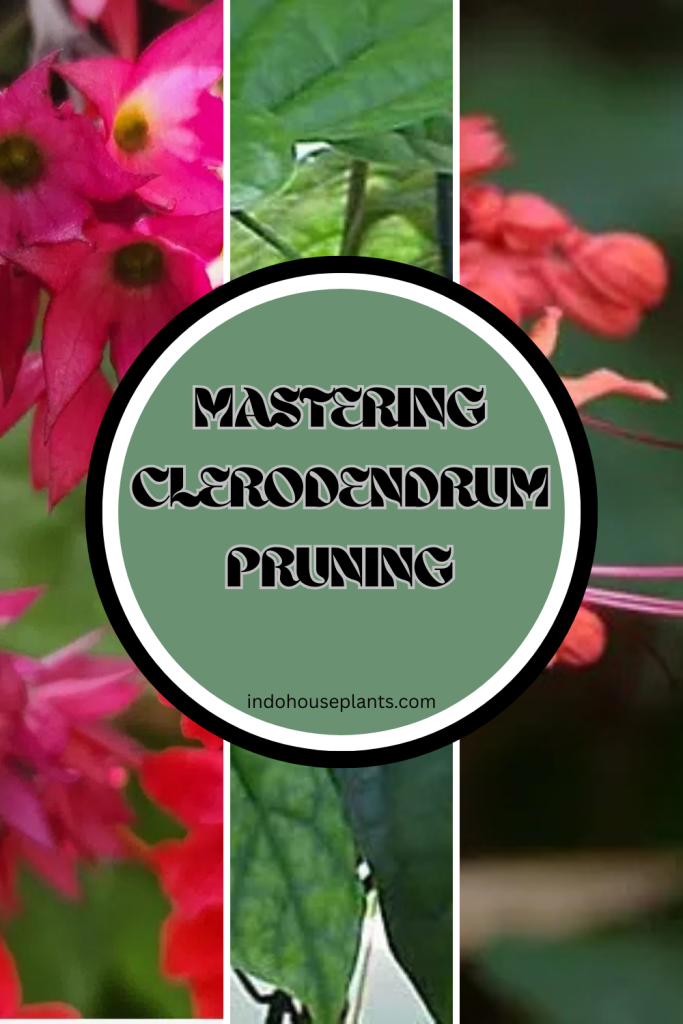
Styling a Clerodendrum shrub can feel like navigating a balancing act, but once you get the hang of it, it’s incredibly rewarding. I’ve found through years of tending these plants that they’re surprisingly resilient and respond beautifully to thoughtful pruning—kind of like a neglected friend who just needs a little haircut and care to shine again.
Here’s what most gardeners don’t realize about Clerodendrum: it’s not just about cutting back after flowering to keep it neat, but about coaxing the plant into showing off its natural, fuller personality. When you prune wisely, you’re not just tidying up; you’re inviting the shrub to branch out and bloom with renewed vigor, creating a lush, eye-catching specimen that almost looks like it styles itself.
When to Prune? Timing Is Your Secret Weapon
Pruning right after the flowers finish—usually late spring or early summer—is where the magic starts. I learned the hard way that snipping too early can rob your shrub of its prized blooms. Wait too long, and the new shoots don’t get the encouragement they need to fill out the shape.
It’s like catching the plant when it’s ready to shift gears from flowering mode to growth mode.
Tools Matter More Than You Think
I’ve ruined good cuts before because my shears weren’t sharp or sanitized. Clean, sharp tools are like giving the shrub a clean, confident snip instead of a jagged chop it has to recover from.
A quick wipe with rubbing alcohol before and after pruning became standard in my routine, especially when working around multiple plants to avoid spreading disease.
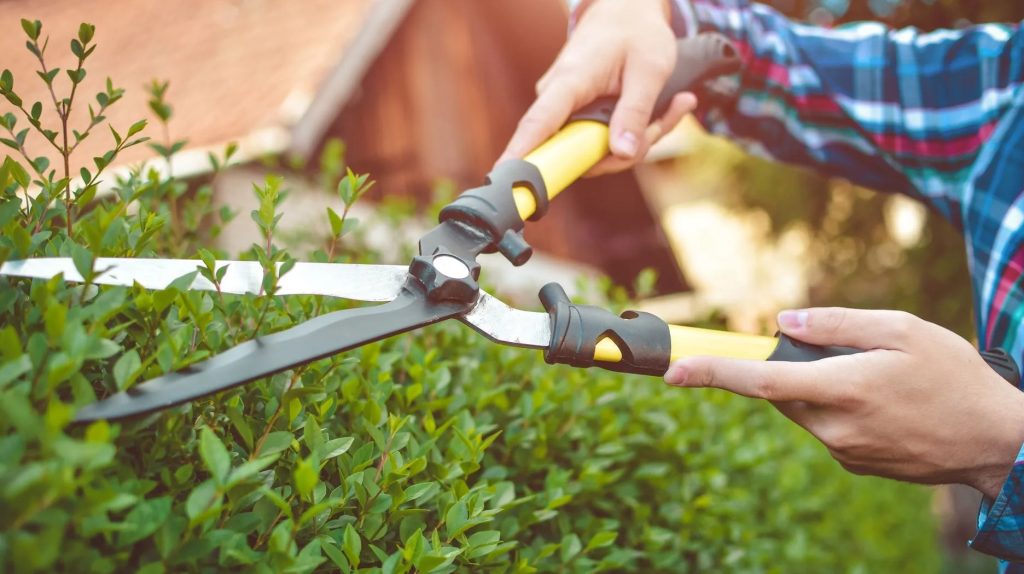
Pruning Style: It’s a Gentle Sculpting, Not a Chop Fest
Start by removing only what’s necessary—dead or sick branches should disappear first, those are like weeds in a garden party. Then, take off about a third of the fresh growth, especially where flowers have faded.
I avoid the temptation to shear it all at once because Clerodendrum responds best to gentle coaxing, not harsh pruning. Think of yourself as a sculptor revealing the shrub’s natural form, not a lumberjack insisting on a full chop-down.
In one of my own gardens, I had a Clerodendrum that grew wildly tall with bare stems at the bottom—kind of like a teenage boy who stopped brushing his hair. After judicious pruning, within weeks side shoots appeared, filling in those sparse spots with fresh green and new blooms the next season.
How to Shape for Your Space
If you’re dealing with a limited space or want a tidy, rounded form, my trick is to picture a soft dome shape. Clip selectively to keep the outline clean but avoid making the shrub feel boxed in or artificial.
Proper shaping makes you look like you planned that natural, effortless style—not just “sheared everything flat” style.
The Year-Round Care You Might Overlook
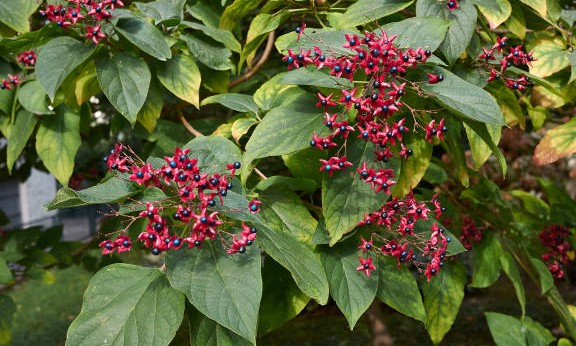
Most people focus on pruning, but I’ve noticed that watering deeply right after pruning and mulching generously around the base keeps Clerodendrum happier than any quick-fix spray fertilizer.
Early spring feeding with a balanced formula sets the stage, but nothing beats consistent moisture and weed control to keep the shrub thriving beyond pruning time.
What If You’re Hesitant or Things Don’t Look Perfect?
I still get nervous when pruning, especially with new plants. My advice: start small. Remove just a little and watch how the plant reacts. Clerodendrum is forgiving and often bounces back even after a heavier cut than planned.
If the shrub looks sparse, it might be more than just pruning issues—check for light levels and soil nutrition first.
Identifying spent blooms is easier when you know what to look for: those are the brown or dried flower tips crying out to be trimmed. Cutting these back not only refreshes the look but signals the plant to send out fresh buds.
Real Talk and Next Steps
Styling Clerodendrum isn’t about perfection; it’s about developing a relationship with your shrub. Each cut is a conversation, each season a new chapter.
Tomorrow morning, I’ll grab my sterilized shears and start cutting back faded flower clusters and maybe a few leggy stems—knowing that with each snip, I’m investing in a fuller, more vibrant shrub that will reward the effort with its stunning blooms.
Quick Action Plan for Your Clerodendrum
- Prune about one-third of new growth right after flowering fades (late spring/early summer).
- Focus on removing dead or damaged wood first—those branches only hold the plant back.
- Shape gently to encourage bushiness, not drastic chopping.
- Feed lightly early in spring and mulch to retain moisture.
- Keep notes on how your plant responds, so each year your care becomes more tailored and confident.
Remember, you’re not just clipping branches—you’re shaping life and beauty in your garden. Clerodendrum rewards patience, kindness, and a little know-how in ways most other shrubs just can’t match.
For more pruning tips, check out this guide to shrub care.