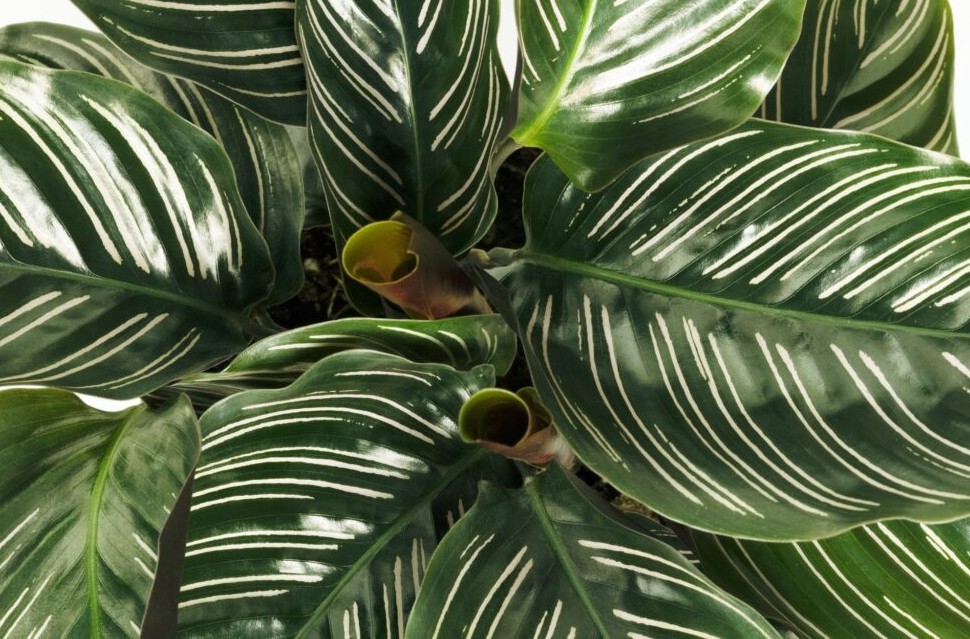
When I first brought home my Calathea, I underestimated how much personality a plant could give a corner of my living room. The way those patterned leaves catch the light—and the almost meditative quality they add to a space—turned a previously overlooked nook into my favorite chill-out zone. If you’re wondering how to capture that vibe, here’s the insight few people share: it’s less about a perfect setup and more about tuning into what your Calathea needs and how your space feels, then layering in elements that make both thrive.
Finding the Sweet Spot for Your Calathea
The myth is that Calatheas only survive in “filtered light,” but here’s what I learned: it’s not just about the light’s intensity, but also its quality and duration. My first try was putting my Calathea near a south-facing window with sheer curtains—I thought it was perfect, but the leaves developed tiny brown spots. Turns out, the afternoon sun still filtered through strongly.
When I shifted it to a corner near an east-facing window, the morning light gently kissed the leaves without burning them, and the plant visibly perked up.
Here’s what most people don’t realize: corners near east-facing windows often create a natural humidity trap. The walls reflect heat, and this microclimate helps boost moisture without the fuss of constant misting. If you don’t have an east window, look for corners where your Calathea gets dappled light in the morning or late afternoon but stays shaded during peak sun hours.
Turning a Corner into a Calathea Sanctuary Through Texture and Layers
It’s easy to think a Calathea should stand alone to be appreciated, but layering your corner is a game-changer. When I first tried this, I paired my Calathea with a cardboard box of random plants, which was a total mess. What actually works is combining different leaf types and heights thoughtfully.
For example:
- Behind your Calathea, place a tall Snake Plant or a sculptural Fiddle Leaf Fig. These upright forms give height and structure, making your corner feel intentional rather than accidental.
- On a nearby lower shelf or side table, add plants with contrasting textures, like the feather-light Maidenhair Fern or a trailing Pothos. The contrast makes the whole display feel dynamic.
Don’t underestimate the power of non-plant textures, either. I invested in a woven basket with warm earthy tones to pot my Calathea, which not only matched my other decor but felt more natural. A soft rug below adds grounding and coziness, and a wooden shelf gives tactile warmth that synthetic materials can’t match.
Pot and Elevation Tricks for Style and Health
When I started, I shoved my Calathea in whatever pot I had handy. After some trial and error, I realized a pot’s material impacts both style and plant health. Porous pots like terracotta help wick away excess moisture, which Calatheas appreciate because soggy roots lead to rot.
Raising your plant on a stand—not just for style but for airflow—can prevent damp conditions that cause leaf problems. I love adding books or decor pieces to my stands to create visual interest. Bonus: elevating the plant closer to the light source can sometimes solve growth issues, especially in dim rooms.
Humidity Hacks That Work Beyond Misting
Misting leaves daily is what most care guides suggest, but here’s a trick from my own experience: group your humidity-loving plants together. The collective transpiration creates a mini ecosystem that keeps the air moist naturally—way easier than constantly spraying.
If you live in a dry climate, a small humidifier is worth the investment. I keep mine on a low setting near my Calathea corner, and it’s like a tropical bubble without the sweat. The PEAT soil calculator can also help you ensure your potting mix retains the right amount of moisture.
Soft Lighting for Evenings (Because Your Calathea Deserves a Spotlight)
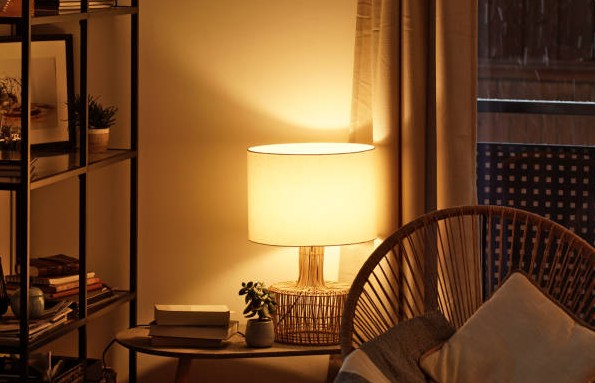
A lot of plant styling stops at natural light, but think about your Calathea corner’s mood after sunset. I found that adding a floor lamp with a warm bulb or even subtle string lights highlights the leaf patterns beautifully and changes the energy of the space completely.
My Favorite Real-Life Setups to Inspire You
- Morning light magic: A mid-level wooden plant stand near an east window, with my Calathea front and center. Behind it, the dark spiky leaves of a Snake Plant add drama.
- Layered lushness: In my living room, a white ceramic pot holds a Calathea on a floating shelf. Below this, a Maidenhair Fern and pothos trail from either side, with a thick textured rug anchoring the corner.
- Workspace refresh: At my desk, a raised plant stand holds a Calathea alongside a small humidifier. I added a few ceramics and books around it to create a personal vibe.
When Things Get Tricky: Practical Tips from Experience
- Brown or curling leaves? Usually a sign of light or humidity stress. I once got too confident with sun exposure, and my Calathea’s leaves curled tight. Moving it to a softer light spot worked wonders.
- Drooping? It’s tempting to overwater, but check soil moisture first. If it’s soggy, ease off watering and boost airflow.
- No new growth? I’ve learned patience is key, but also feeding helps. I use a balanced liquid fertilizer monthly during spring and summer.
The Truth About Calathea Corners: It’s Personal and Evolving
Each Calathea corner tells a story of trial, error, and adaptation. The best corners come from being curious and paying attention—noticing when a leaf changes color. Your plant will guide you, leaf by leaf.
Quick Wins You Can Try This Weekend
- Scout your space for a cozy corner near an east window.
- Pick up a Calathea in a terracotta or ceramic pot.
- Group it with one or two other plants that enjoy similar humidity.
- Add a textured rug or basket to make your corner feel intentional.
- Commit to misting every day or setting up a small humidifier.
This process isn’t just about plants—it’s about creating a spot in your home where you can slow down, breathe, and enjoy simple beauty.