Low-light living doesn’t have to mean limp, sulking houseplants. My first apartment had a single window facing a brick wall, so believe me—I’ve wrestled with the anxiety that comes from watching leaves drop one by one. Over the years, after a few casualties (farewell, maidenhair fern, you delicate diva), I’ve picked up some tricks that not only kept my plants from dying, but actually helped them thrive.
Let’s talk about what really works, from someone who’s tried everything short of serenading their snake plant.
1. Grow Lights Aren’t Just for Plant Fluencers (And You Don’t Need a Science Lab)
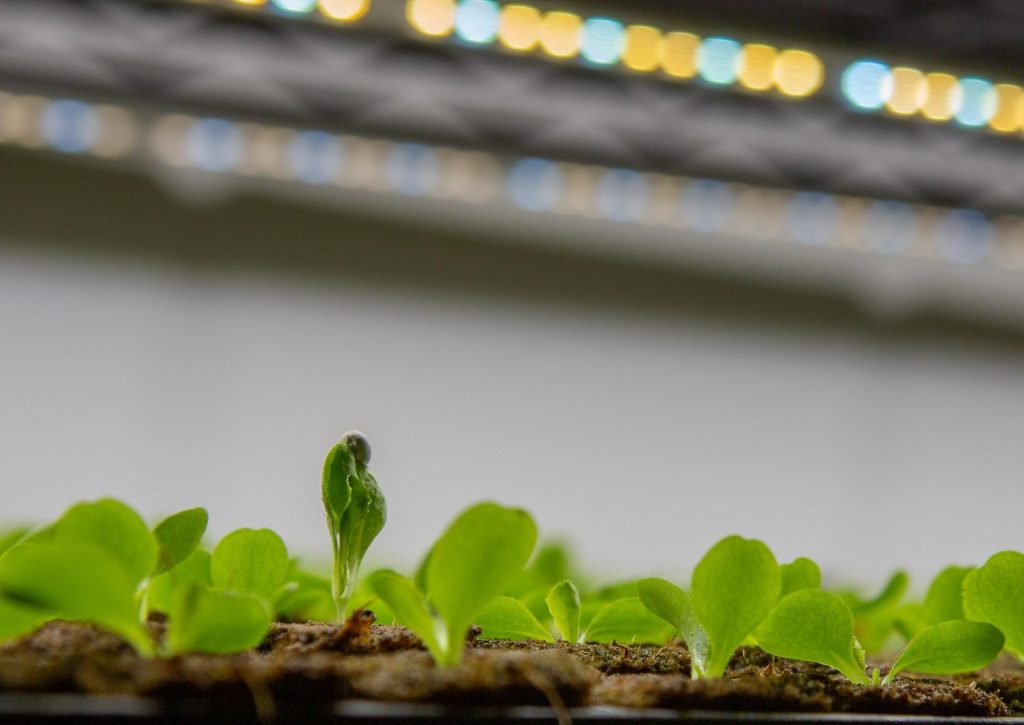
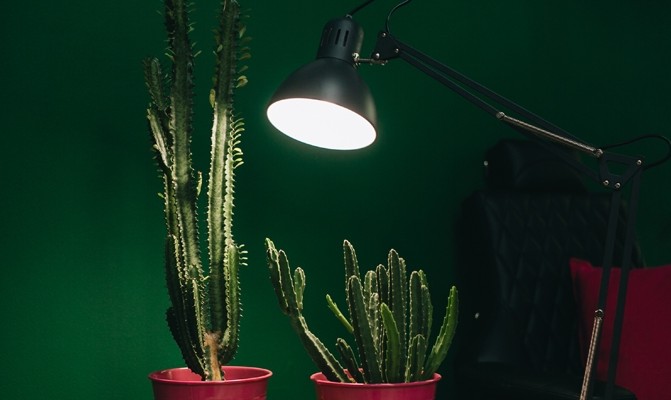
When I first heard “grow light,” I pictured expensive, blinding panels. Reality check? For about the price of a takeout meal, you can buy a full-spectrum LED bulb that screws into any regular lamp you already own. I’ve used a $14 bulb from Amazon in a $5 thrift-store desk lamp—no “grow tent” necessary.
Here’s the trick most people overlook: the distance matters. Too close, and you’ll crisp the leaves; too far, and you might as well be using a nightlight. I shoot for about 12 inches between bulb and plant. And I always run my lights on a $6 mechanical timer from the hardware store—forgetting to turn them on/off is a rookie mistake (speaking as a serial forgetter).
What most people don’t realize: “low-light” plants absolutely love extra light. My so-called “industrial survivor” ZZ plant sat motionless for a year in the bathroom before I gave it a couple months under a desk lamp with a grow bulb. Now it throws out new stalks every spring like it’s showing off.
2. Milk Every Photon: Light Hacking in Tiny Spaces
Living in cramped quarters, you have to get creative. One of my weirdest—but most effective—hacks was lining the back of my plant shelf with cheap, stick-on mirror tiles from the dollar store. Overnight, my peace lily stopped pouting and actually pushed out a flower, which I’d only seen in garden centers before.
Twice a month, I wipe down the one window in my apartment with vinegar and water, because dust and city grime cut the light more than you’d think. On especially gloomy days, I pull the plants right onto the windowsill, even if it’s just for a couple hours. Temporary relocation can give them a needed boost.
Here’s what most people don’t know: even “indirect” light helps. I’ve kept pothos trailing across a bookshelf in a hallway just by catching the stray sunrise bouncing off pale walls. If you have any surface that reflects—mirrors, white furniture, even glass picture frames—use them.
3. Choose Plants That Forgive (a Lot)
I used to be a sucker for trendy, fussy plants. But if you want to see success, go for the ones that downright refuse to perish:
- ZZ plants: Practically bulletproof, and you can split them into new pots as they grow.
- Snake plant: I’ve forgotten to water mine for two whole months and it just shrugged.
- Philodendron: Unfussy, grows fast, and hard to kill.
- Aspidistra (Cast Iron): Calls to mind your grandma’s parlor, but for good reason—it survives on neglect.
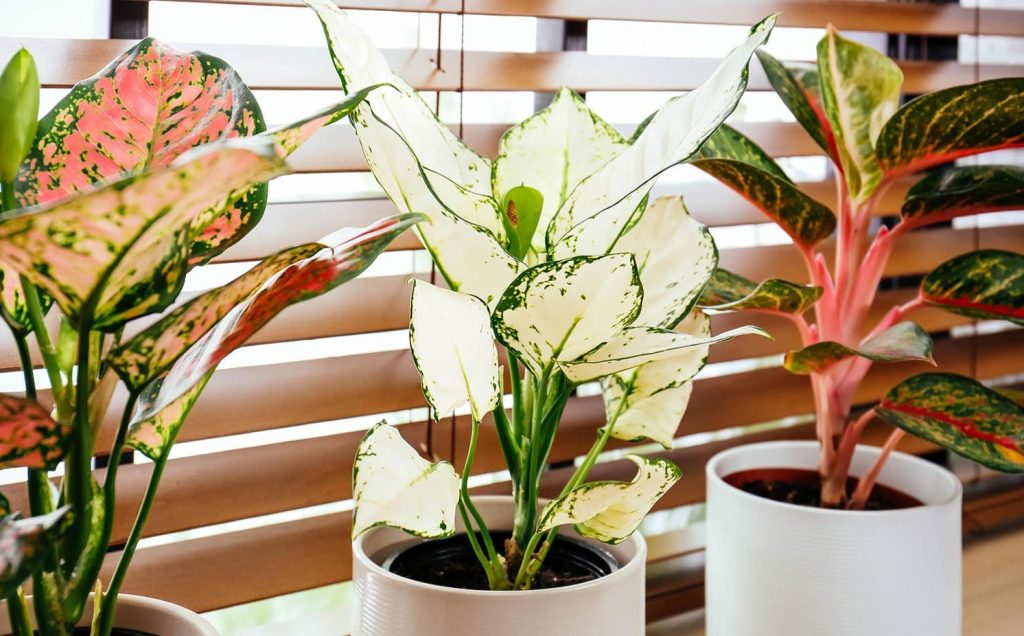
- Chinese Evergreen: Happy in shadow, looks lush even when ignored.
My Chinese Evergreen lived on top of my fridge for a year and still doubled in size. (Pro tip: Top of fridge = surprising spot that gets more indirect light than you think.)
4. Watering: Less is More in the Shadows
Most plant deaths in low light come from loving them to death with water. I follow the “knuckle rule”—I stick my finger in up to the second knuckle. If it feels dry that deep, then I water.
One quirky move: I keep a squeeze bottle (like an empty ketchup bottle) under the sink for watering. It lets me control how much water goes in, instead of dumping half a mug on by accident.
What most advice misses: cooler, low-light apartments mean your soil dries out sloooowly. In winter, I sometimes go weeks without watering—even my “thirstier” peace lily.
5. Troubleshooting: When Things Get Weird
- Pale or leggy plants? They’re stretching for more light—try moving the lamp closer or running it longer. Thirty extra minutes a day sometimes makes all the difference.
- Moldy soil or fungus gnats? Let the top inch of soil dry completely and stop misting leaves—excess humidity plus low light spells trouble.
- Brown leaf tips? This happened to my pothos when I cranked up the radiator. A cheap humidity tray (a pie pan filled with pebbles and water) worked better than a fancy humidifier.
Lost a few leaves? Don’t panic. Even in the wild, plants shed old leaves when conditions change.
My Lazy-Person’s Routine for Low-Light Plant Survival
- Invest in a basic LED grow bulb (full spectrum, fits any regular lamp).
- Plug in a timer. My grow lamp clicks on at 7 a.m., off at 7 p.m.—I don’t have to remember a thing.
- Check in every Sunday. Look for droop, poke the soil, wipe dust off the leaves, refill the pebble tray if needed.
- Add a new survivor plant every few months. It keeps things from feeling stagnant, and you’ll quickly spot which plants work best in your space.
- Celebrate weird victories. My first new snake plant leaf in the dead of February was as satisfying as finishing a home improvement project—tiny, green proof that you’re winning.
Last thing: don’t compare your tiny indoor jungle to that influencer with a sun-drenched wall of glass. Low-light plant growing is a different game—slower, but just as satisfying. Every time you see a fresh leaf, remember: you created that pocket of life in a place that wasn’t meant for it. That’s magic.