
When I first tried my hand at creating a cone-shaped topiary, I quickly realized it’s less about precision from the get-go and more about developing a relationship with your plant over time. Topiary is a living sculpture, and just like any art form, patience and regular attention are your best tools. Over the years, I’ve found some strategies that helped me transform scruffy shrubs into elegant green cones that truly stand out—not just in shape but in garden character.
Why Cone-Shaped Topiaries Are Worth the Effort
There’s something strangely satisfying about trimming a shrub into a perfect cone—it’s classic, clean, and adds a formal touch without being fussy. But here’s what most people don’t know: the cone shape actually encourages denser growth on the lower branches because of how sunlight hits the plant, which helps the plant look fuller and healthier over time.
Plus, it’s versatile—whether as standalone garden accents, framing an entryway, or lining a pathway, those sharp green cones never go out of style.
Getting Real About Choosing the Right Plant
In my experience, I’ve learned that toughness beats perfection in the beginning. Boxwood is the old faithful, yes, but don’t overlook yews or even some kinds of holly if you want a bit more texture or berries in winter.
One of my favorite finds was a dense Ligustrum shrub—its small leaves trimmed crisply gave a modern twist to the traditional cone. When picking your plant, feel for compactness and healthy, dark green leaves. A plant that isn’t already a little dense will demand more patience and skill to get cone-like density.
Selecting Your Spot: More Than Just Sunlight
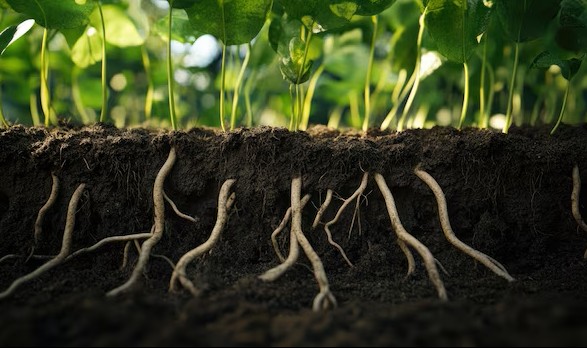
People often focus only on sunlight—while 4-6 hours is ideal, I’ve noticed that the underlying soil quality can make or break your topiary. Heavy clay or poorly draining soil means the roots will struggle, stunting growth and making trimming frustrating because the plant refuses to fill out.
Adding organic compost or planting on a slight mound to improve drainage can make a huge difference. Even with full sun, aim for well-drained spots and don’t be shy about tweaking the soil before planting.
My Toolbox for Shaping Success
For me, a pair of sharp hand shears has been the MVP—not the giant hedge trimmers you see in landscaping videos, which tend to lead to uneven cuts. Those fine snips allow you to be more intentional.
Gloves are a no-brainer, unless you want poked fingers or stained hands—trust me, I learned that the hard way after about three seasons. Also, don’t underestimate the power of a simple wooden stake with a string tied from peak to base as a DIY visual guide, especially when you don’t have a wire frame handy. It’s a trick I picked up after struggling with uneven shapes early on.
Step-by-Step—But With a Twist
- Starting Small & Steady: I always begin trimming from the top, crafting a gentle point with small snips—no quick hacks to the apex. The key is getting that tip to form gradually, almost like coaxing a peak out of the shrub over several sessions.
- Eyes on the Prize (From a Distance): Every few minutes, I walk five or six paces away and view the plant from multiple angles. Your eyes are too close if you stand right next to it—symmetry demands perspective, or you end up with an awkward, lopsided cone. This simple habit saved me endless frustration early on.
- Form Over Force: When you see a stubborn branch sticking out, resist the urge to “just whack it off.” Instead, trim incrementally to maintain smooth lines. Often, problems come from uneven growth patterns rather than cutting mistakes.
- Maintain Lightly & Often: Once your cone takes shape (which can take six months to a year, no rush), light trimming every 6-8 weeks keeps it sharp. I schedule mine like a gentle haircut for my shrubs—it’s less about dramatic changes, more about consistent shaping.

Real-life Lessons from My Garden
I once started with a boxwood planted near my front porch, roughly 18 inches tall. At first, I was obsessed with the “perfect” cone image I had in my head, chopping too aggressively and stressing the plant. It responded with sparse growth, and the shape looked patchy.
After that, I slowed down and focused on small adjustments every few weeks, and the shrub began to “fill in.” By the next year, it was a smooth, dense green cone that drew compliments from guests.
Another gardener friend swore by using a wire frame as a no-fail shorthand. She’d pop her yew shrub into one of those cone-shaped cages and trim along the edges monthly. The thing she loved was that the frame gave instant feedback—it’s like having a stencil for pruning. The Royal Horticultural Society has a great guide on using these frames effectively.
Troubleshooting: What I Wish I’d Known
- Lopsided Shapes?
Early on, my cones looked more like weird triangles than symmetrical topiaries. What helped was taking photos from different angles and comparing, or better yet, asking a friend’s perspective. Sometimes you’re too close and miss details. - Sparse Foliage
I learned to watch for watering and fertilizing—they’re not glamorous tasks but absolutely essential. Using an evergreen fertilizer in early spring gave my plants a healthy boost, making the shaping process way easier. - Brown Patches
Tip: dead wood should be removed with sterile shears to prevent disease spread. If browning continued, I checked for scale insects or fungal issues, often treatable with organic sprays.
Why You Can Nail This Project
The best part about creating a cone-shaped topiary? No two ever look exactly alike, and your unique touch makes all the difference. It’s not about perfect geometry—it’s about caring enough to keep your plant healthy and enjoy the gradual transformation.
Each trim is a little victory, an agreement between you and your plant on how you want it to grow.

Your Next Moves for a Stunning Cone Topiary
- Drop by a local nursery and tell the staff you want an evergreen shrub for topiary—most are happy to offer advice based on your local climate.
- Grab sharp hand shears and gloves; avoid cheap scissors that frustrate precision.
- Choose a planting spot with good sun and well-drained soil, prepping the ground if needed.
- Treat your trimming sessions like appointments you look forward to, not chores. Set reminders to help keep you on track.
- If you prefer visual learning, YouTube offers plenty of topiary tutorials—and joining a local gardening group can supercharge your confidence and skills.
Remember, every sculpted cone you see started as a scruffy shrub and a gardener with a pair of shears and a little patience. You’ve got this—one snip at a time.