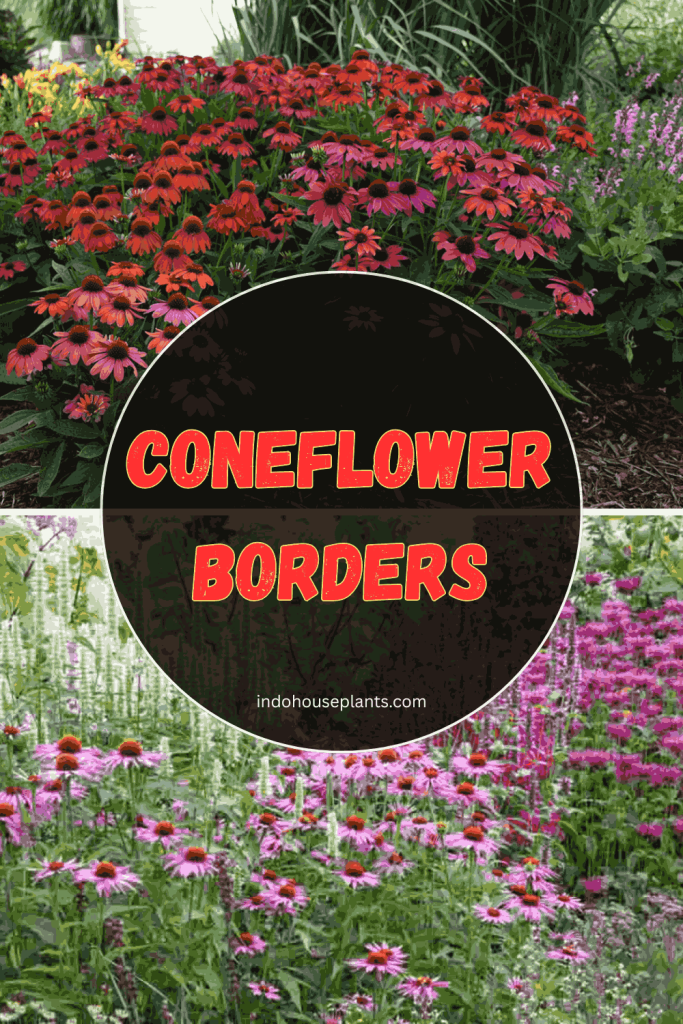
Coneflowers have been a staple in my garden for years, and honestly, they’re one of those plants that feel like a trusty old friend showing up year after year to make your border pop with color and life. If you’ve ever felt intimidated by the idea of starting a garden border, you’re not alone—I once stood in my backyard, overwhelmed by too many plant options and unsure where to begin. Then I leaned into what I knew: coneflowers. Here’s how I turned a plain patch of dirt into a buzzing, vibrant border that even my neighborhood hummingbirds adore.
Finding the Perfect Spot: Where Sun Meets Soil
One thing I learned early on is that coneflowers crave sun like a beach bum craves the ocean—minimum six hours a day. I picked a border along my driveway that gets a solid soak of morning and afternoon sunlight, but gets a gentle breeze to keep things fresh. Most people don’t realize how crucial good air circulation is; it’s a natural defense against mildew and fungal issues that can cramp your garden’s style.
If your soil is anything like mine—packed with stubborn clay—you’ll want to give it a little TLC before planting. Compost is your best friend here. After turning the soil with a garden fork, I mixed in a generous handful of compost and some coarse sand to lighten things up. This upgrade makes all the difference for roots to dig deep and soak up nutrients.
Choosing the Right Players for Your Border
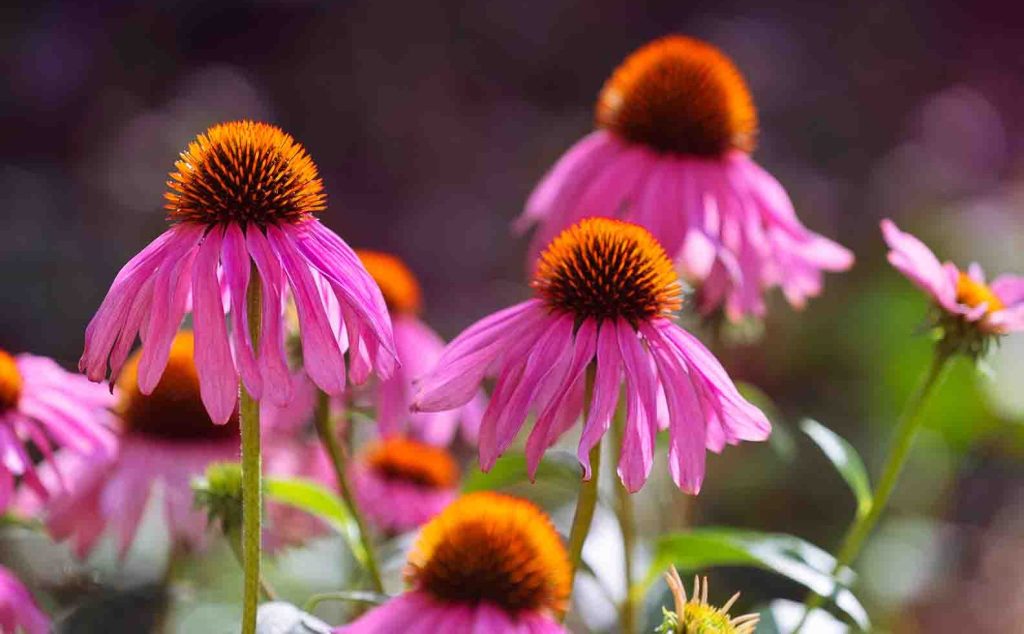
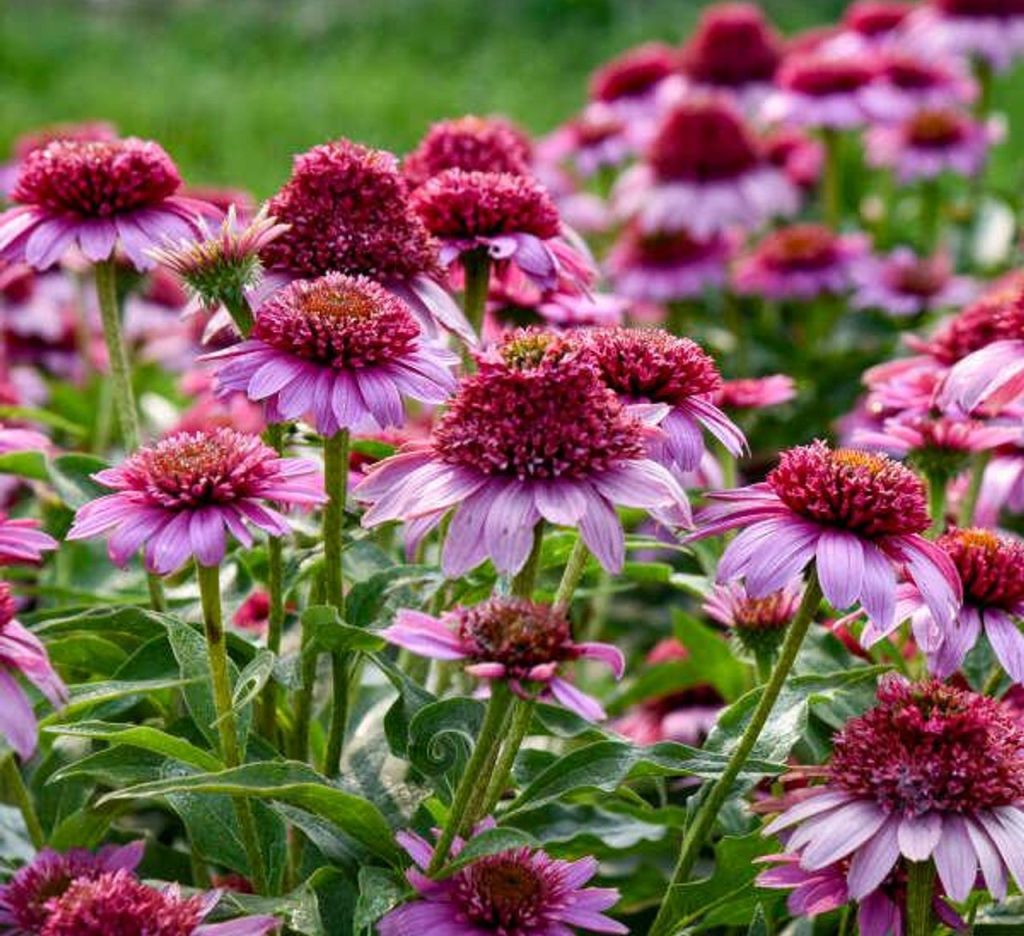
Sticking with classic purple coneflowers (Echinacea purpurea) was my first call because they’re like the ‘jack-of-all-trades’ of perennials: tough, reliable, and endlessly pretty. But don’t shy away from mixing in other colors—yellow Rudbeckia feels like sunshine next to purple, and orange varieties bring a fiery pop. I like this combo not just because it’s beautiful, but because it turns my border into a pollinator hotspot. Bees, butterflies, even the occasional hummingbird swarm like it’s the hottest café in town.
The Art of Planting: Spacing and Depth Matter More Than You Think
Spacing your coneflowers 12-18 inches apart is a sweet spot—not too cramped to invite disease, but tight enough to fill out the border quickly. When planting, I always make sure the root ball sits right at soil level. Plant too deep, and the poor roots can suffocate or rot; too shallow, and they dry out faster than you expect.
One little tip I picked up from a local gardener: press the soil firmly but gently after planting to eliminate any air pockets—which roots hate. Then water deeply. This sets the stage for a strong start.
Watering Wisdom: Less Is More (After They’re Established)
I’m guilty of overwatering when I first started gardening; it’s a common rookie move. Coneflowers want moist soil while they’re getting settled but become remarkably drought-tolerant once their roots reach out. After a couple of weeks, I switch to a watering routine where I only give them a good soak if we haven’t seen rain in 10 days or so. Overwatering invites root rot and weakens their natural resilience.
Mulch Like a Pro
Laying down 2-3 inches of organic mulch (I prefer shredded bark or well-aged compost) is like tucking your garden in for the night. It locks in moisture, keeps weeds at bay, and creates a steady temperature around the roots. I refresh my mulch every spring and sometimes mid-summer to keep things cozy for the plants.
Keeping It Looking Good: Deadheading and Seasonal Care
One of the secrets to a long-lasting coneflower border is deadheading—snipping off faded blooms before they go to seed. It encourages the plants to put energy into producing more flowers rather than letting their energy wander. I usually do this every couple of weeks during peak bloom.
When fall hits and things start to wind down, I leave some stalks standing for a month or two because the dried seed heads provide winter food for birds. Come early spring, I cut everything back to encourage fresh growth and a tidy start.
Visualizing It In Your Space
Picture a border that’s simple but full of life along a sun-dappled walkway: tall purple coneflowers towering about three feet with vibrant yellow Rudbeckias at their feet. It’s like a natural fireworks display without the fuss. Or imagine a cottage garden vibe with coneflowers mingling with coreopsis and black-eyed Susans, their blooms taking turns to keep your border colorful from early summer well into fall.
When Things Don’t Go According to Plan
On a couple of occasions, my coneflowers looked a bit spindly. What helped me was giving them a little more breathing room—crowding can make plants “leggy” as they stretch for light. And a balanced, slow-release fertilizer in early spring gave them a gentle boost without turning them into unruly monsters.
If drainage is a recurring problem in your garden (trust me, I’ve battled soggy patches too), raised beds are a game-changer. They lift your plants above the muck and let roots breathe—plus, it’s easier to control soil quality.
If your coneflowers just won’t bloom, check the light first. I once planted a border under a big tree and watched the blooms vanish. Moving the plants to a sunnier spot fixed it quickly. Also, consistent deadheading really encourages more flowers.
Your First Step Towards a Border You’ll Love
Start by scouting your yard for that sunniest, most open border space. Give the soil a freshen-up with compost. Plant your favorite coneflowers about a foot apart, water them well, mulch generously, and then step back to enjoy the show as it unfolds.
Coneflowers aren’t just plants—they’re the backbone of a garden that feels alive and welcoming. They’ve taught me that gardening doesn’t have to be complicated or intimidating; sometimes, it just takes choosing the right friend to brighten your space and keep you coming back outside again and again. So here’s to your first coneflower border—may it bring color, pollinators, and a little magic to your garden!
If you dive in this weekend, by early summer you’ll have a border buzzing with life and color, and maybe even a newfound love for gardening that surprises you. Happy planting, and don’t forget to pause and really appreciate those honeybee dances around your blooms—they’re one of my favorite garden rewards.