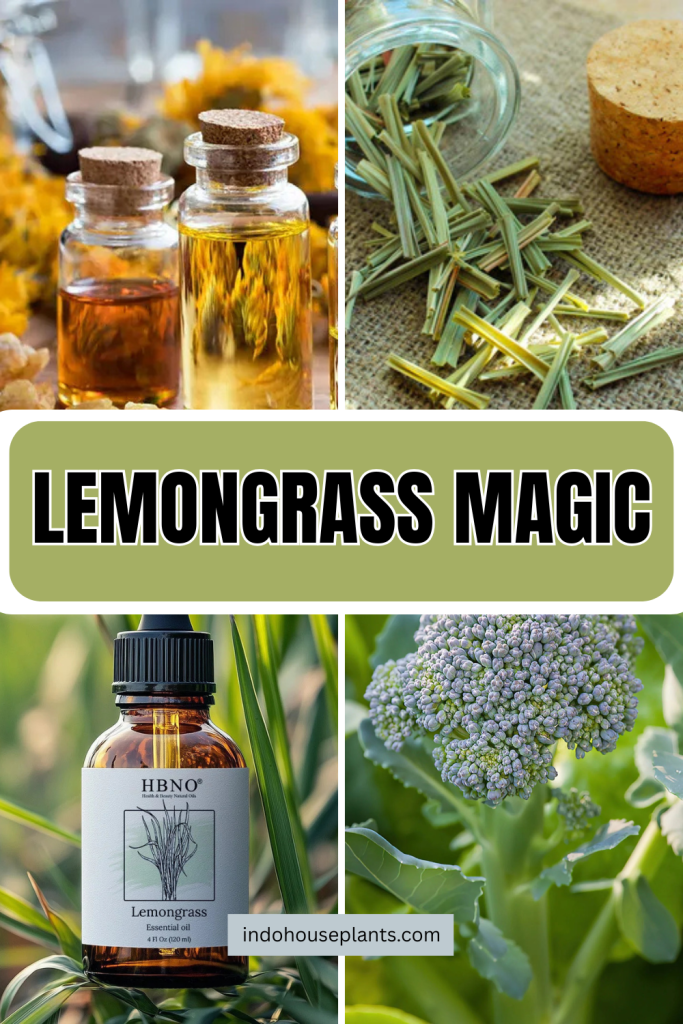
When I first stumbled upon lemongrass at a local farmer’s market, I didn’t realize just how transformative a simple grass could be. Cymbopogon grasses—yes, that’s the fancy botanical name behind lemongrass—are much more than just a plant with a pleasant citrus scent. They’re like a secret kitchen herb, a natural medicine cabinet, and a mosquito repellent all rolled into one.
Here’s what I’ve personally discovered after years of growing, cooking with, and even relying on these resilient stalks.
What’s Cymbopogon, Really?
Think of Cymbopogon as the family name for a bunch of tall, lemon-scented grasses thriving in warm climates—from the bustling markets of Southeast Asia to backyard gardens in tropical spots worldwide.
One of the most common relatives is Cymbopogon citratus, or West Indian lemongrass, the variety I always keep around. Its zestiness doesn’t come from citrus fruit but from the essential oils packed into its slender leaves and stalks—those oils are what give lemongrass its unmistakable aroma and usefulness.
I love how each variety brings its own subtle character. For example, Cymbopogon flexuosus, or East Indian lemongrass, has a slightly different scent profile and is often used in perfumery or essential oils. But for everyday cooking and garden magic, the West Indian kind is my go-to.

Why I Keep Cymbopogon Handy
1. Flavor That Transforms Dishes:
Lemongrass adds this bright, lemony freshness without the sharpness or acidity you get from actual lemon juice. I’ve thrown chopped stalks into everything from Thai green curry to homemade chicken broth, and it always elevates the dish with a unique depth.
Here’s what most people don’t know: the base of the stalk (the crunchy, firm part) is what you usually simmer or cook with to extract flavor, while the tender green tops can be finely chopped into salads or garnished on dishes for a subtle citrusy hit.
2. Natural Wellness Booster:
When my head feels heavy or digestion is sluggish, a simple cup of fresh lemongrass tea works wonders. Boiling a few stalks with a slice of ginger and a drizzle of honey is my homemade remedy.
Beyond just anecdotal relief, lemongrass contains antioxidants and antibacterial compounds. It’s not a cure-all, but it’s a gentle aid that’s been part of traditional medicine for centuries.
3. Mosquito-Repelling Superpower:
Here’s a personal trick: during summer barbecues, instead of dousing myself in chemical sprays, I crush fresh lemongrass leaves and rub them on exposed skin. It’s pretty effective at keeping mosquitoes at bay, and everyone around me wants to know what I’m doing.
Plus, planting lemongrass near patios or windows has noticeably decreased the number of pesky bugs creeping in over the years.
Spotting Cymbopogon in the Wild or Market
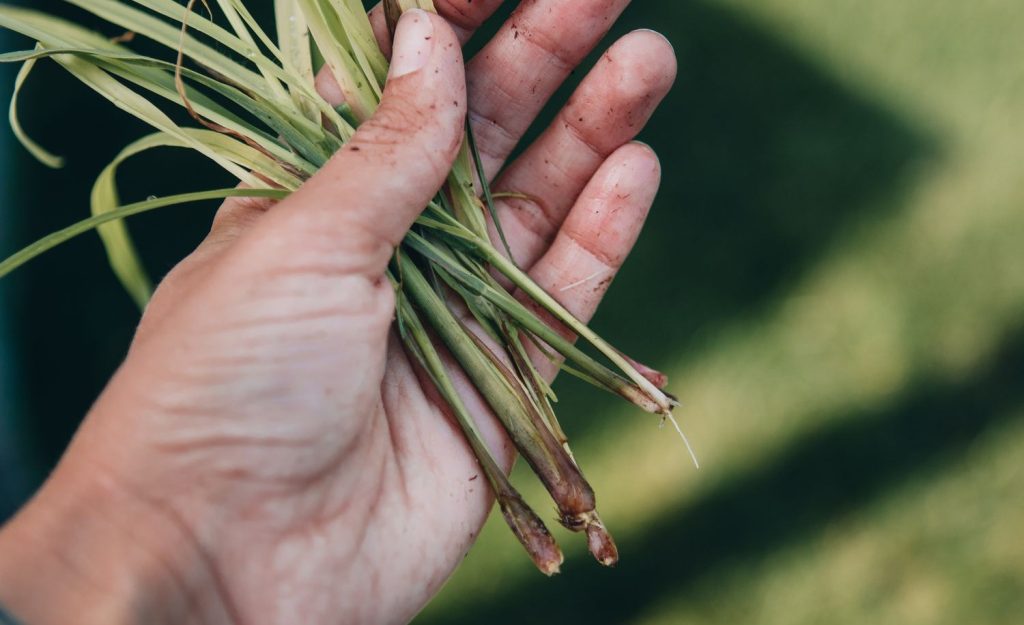
If you’re new to this, here’s a little identification hack: grab a blade of grass that’s tall, slender, and has a sharp edge but isn’t rough like grass on a field. Give it a firm rub between your fingers—if it bursts with a lemony fragrance that wakes up your senses instantly, you’ve hit the right plant.
The stalks feel hollow and bamboo-like but are thinner and more flexible. They grow in tight bunches and can tower between 3 to 6 feet tall once mature.
Growing Lemongrass: My Hands-On Experience
Starting lemongrass at home is shockingly simple—almost magical when you see roots poking out of a grocery store stalk after a couple of weeks. Here’s what I’ve found works best from trial and error:
- Sunlight Is Key: Full sun really fuels growth. Lemongrass with less than 6 hours of direct sunlight ends up leggy but weak. My sunny balcony is perfect, but in colder climates, a south-facing window or grow light does the trick.
- Rooting Stalks Is Fun DIY: I usually take fresh lemongrass stalks from the market, trim the tops, and place the bottom inch in a glass of water by the window. Not only does watching roots slowly grow become oddly addictive, but it also means I don’t have to buy seedlings.
- Soil and Water Balance: Lemongrass loves moisture and humidity but hates soggy feet. I learned this the hard way after my first plant developed root rot from overzealous watering. Now, I use pots with drainage holes and water just when the topsoil feels slightly dry. In my dry climate, I mist the leaves regularly, which the plant seems to appreciate.
- Harvesting Without Killing: Instead of uprooting the whole plant, I snip stalks about an inch from the base once they’ve grown tall enough. This encourages new shoots and keeps the plant producing all season.
Real-Life Lemongrass Moments
- A friend once told me how she uses lemongrass to flavor her homemade lemonade—adding crushed stalks to the pitcher overnight infuses a gentle citrus hint that’s far more complex than just lemon juice.
- Another neighbor swears by a homemade insect spray using lemongrass essential oil and water. She spritzes it around windows and doorframes, reducing flies and mosquitoes without harmful chemicals.
- Personally, I have a favorite ritual: after a long workday, I brew lemongrass tea with a pinch of mint from my garden. It’s simple, calming, and feels like a mini-vacation in a cup.
Challenges That Don’t Have to Stop You
- Cold Climate Woes: If frost’s ever a threat, lemongrass won’t survive outside. The solution? Grow it in a sizable pot that you can easily move indoors for winter. I bring mine inside and place it near a sunny window, where it keeps happily growing through colder months.
- Pest Intruders: Oddly enough, while lemongrass keeps many pests away, aphids and spider mites can sometimes sneak in. I’ve tackled these by spraying a mild mix of water and a drop of dish soap or using neem oil, which doesn’t harm the plant or beneficial insects.
- Overwatering Love: It’s tempting to keep the soil moist, but avoid waterlogged roots at all costs. Good drainage and light watering cycles are the key.
Why I Think Everyone Should Try Growing Cymbopogon
It’s one of those plants that gives back so much more than you invest—whether it’s the zing in your dinner, a cooling tea, or bug-free summer nights. It’s also a great confidence builder for novice gardeners because it’s resilient, rewarding, and low maintenance.
Plus, you’re literally growing a bundle of fresh, lemony goodness right in your yard or kitchen.
How to Get Started—My Simple Roadmap
- Grab fresh lemongrass stalks at your local market, preferably thick and green at the base.
- Place the stalks in water by a sunny window and wait for roots to peek out.
- Prepare a pot or garden spot that’s sunny and has well-draining soil.
- Plant your rooted stalks, water moderately, and watch your lemongrass thrive.
- Experiment with recipes—try making Thai Tom Yum Soup, lemongrass tea, or even homemade bug spray.
I promise: once you get a taste and a sniff of your own homegrown Cymbopogon, you’ll wonder how you ever lived without it. It’s an everyday luxury that fits in a pot, brightens your kitchen, and keeps summer bugs at bay—all at once.
So go on, give lemongrass a shot. Your taste buds, garden, and evenings outdoors will thank you.