
Growing celery isn’t just about sticking seeds in the ground—it’s a little dance of patience, moisture, and a bit of gardening finesse. When I first tackled celery patches in my urban garden, I quickly learned that planting these thirsty, cool-loving stalks close together changes everything. It’s like giving them their own little micro neighborhood, where the soil stays cooler and damper, shielding the roots and helping the plants thrive even when the summer heat creeps in.
Here’s the thing most people miss: celery isn’t just finicky—it’s a rewarding challenge. With the right approach, you can turn a patch of celery into a lush, crunchy bounty that feels like a real culinary victory, especially since store-bought celery often lacks that fresh, garden-picked snap.
How I Plant My Celery Patch (And You Can Too)
1. Start With Seeds or Seedlings, But Advance Planning Is Key
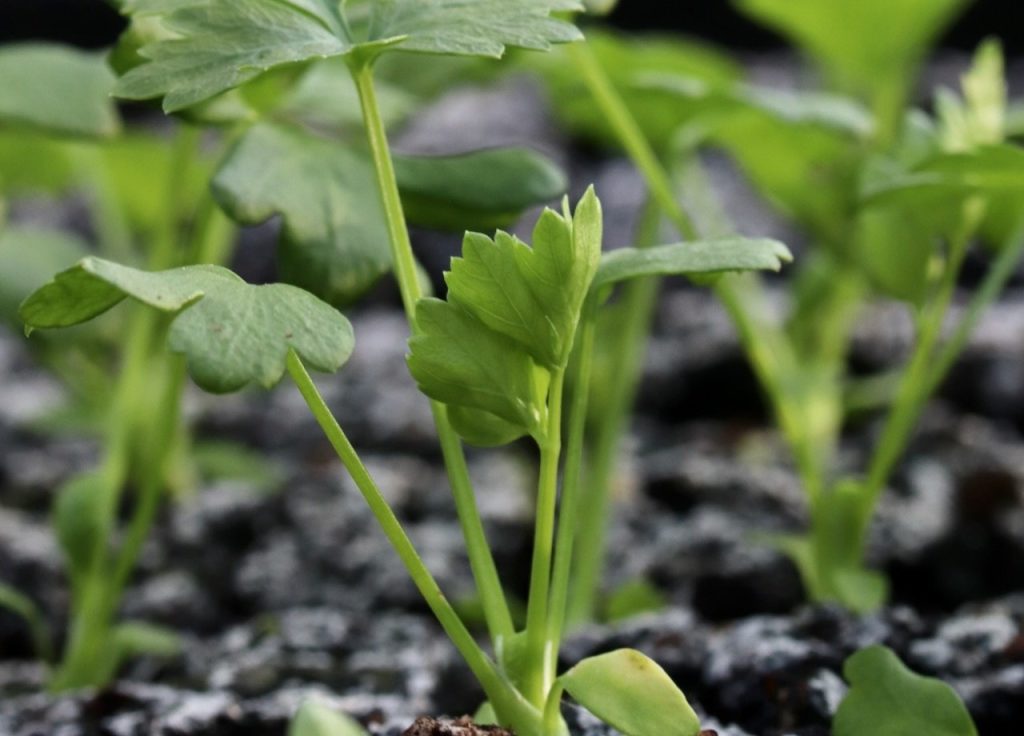
I always start celery indoors about 10-12 weeks before my last frost, usually early February in my zone. Celery seeds are tiny and stubborn—they can take up to three weeks to sprout and really need a consistent warm spot around 70-75°F. When I tried starting them on a cold windowsill once, the seeds just sulked and refused to germinate. That’s why I bring mine to the warmest corner and keep the soil moist but not soggy.
2. Lighting Is Non-Negotiable
Once those fragile seedlings poke through, I switch on grow lights for 12-16 hours a day because a south-facing window just didn’t cut it. Without bright, steady light, your celery gets leggy and weak, basically setting you up for transplant failure. My hands-down best tip here: use a timer on your grow lights to mimic the sun’s rhythm—your plants will thrive with that consistency.
3. Hardening Off Isn’t Optional
Two weeks before moving outdoors, it’s baby steps into the wild. I start with just an hour or two in the shade, slowly upping time and sun exposure. This puppy-proofs them for wind, temperature swings, and bright sunlight. Skipping this step once cost me nearly half my patch—lesson learned the hard way.
4. The Patch Setup: Make It a Celery Community
I dig a raised bed and enrich it with a generous mix of compost and aged manure, aiming for rich, well-drained soil that stays damp. Planting the celery seedlings 6-8 inches apart in rows spaced about a foot apart is my go-to. This tight spacing helps the plants create their own little microclimate that holds moisture in the soil and shades roots from warming up too much.

5. Mulch Like Your Life Depends on It
Mulching is my secret weapon. I pile on straw or shredded leaves thickly around each plant. This keeps soil temps down and moisture steady, so even on hotter days when I can’t water right away, the celery isn’t screaming for water.
6. Water Religiously, But Don’t Overdo It
Celery is hungry for water, needing about 1-2 inches weekly, but soggy roots will rot it out. Early on, I water every evening for two weeks after transplanting, then adjust by feeling the soil. A moisture meter is a surprisingly useful gadget here—I still use mine to avoid guesswork.
7. Feeding Time: Celery Eats Like a Teen
Because celery grows long and thick, it’s a real nutrient hog. I side-dress with compost tea or balanced fertilizer every three weeks and see noticeable growth spurts shortly after. Letting it go hungry slows everything down.
8. Stay Vigilant Against Pests and Diseases
Aphids and slugs love celery as much as I do. Handpicking is the first line of defense because the moment I spray broadly, I kill helpful bugs that keep pests down naturally. For slugs, crushed eggshells around the bed work better than chemical slug pellets in my experience.
Real-Life Spin: From My Garden to Yours
In my first year, I followed the basics but spaced the plants 12 inches apart thinking they’d grow bigger. What happened? The soil dried out quickly, and weeds took over. After switching to tighter, 7-inch spacing, I got a denser patch that stayed more humid under the heavy mulch and yielded thrice the harvest by late summer. Plus, those plants seemed less stressed during a two-week heatwave because their canopy shaded the soil.
Another friend of mine, living in a warmer region, plants her celery patch in a spot with morning sun and afternoon shade—she says it stops the bitterness that celery can develop when heat hits too hard. She also swears by putting a shallow tray of water nearby during hot days to raise humidity slightly, mimicking celery’s native marshy environments.
Trouble? Here’s What Most People Don’t Know
- Germination taking forever? Celery seeds actually respond well to a quick soak in warm water overnight before planting. It helps jumpstart their slow metabolism.
- Leggy seedlings? More light won’t just toughen them up—it actually triggers sturdier stem development. I’ve even used a small fan gently blowing on seedlings to simulate breezes, which toughens stems naturally.
- Wilted or yellow leaves? Besides water and nutrients, check your soil pH. Celery prefers slightly acidic to neutral soil (6.0-7.0). If off-balance, even perfect watering won’t help.
- Heat wave panic? When temps spike, I pop a shade cloth over my patch during the hottest midday hours—saves leaves from scorching and preserves flavor.
Growing Celery Is Worth the Patience
There’s a real sense of accomplishment when you harvest crisp, homegrown celery after nurturing it through its picky stages. It’s more than just a stalk for your soup—it’s a little green victory, a vegetable that demands your attention and rewards you with intense freshness you simply can’t buy.
If you’re thinking, “Will I really get it right?”—know this: even seasoned gardeners have off years with celery. Your patch is your personal experiment—each season will teach you better timing and tricks unique to your climate and soil. Trust the process.
What You Can Do Today to Start Your Celery Patch
- Find your last frost date (local extension offices or websites like USDA can help).
- Grab celery seeds or seedlings, seed-start mix, and a place to grow strong seedlings indoors.
- Prepare your garden bed well ahead by mixing in plenty of compost.
- Plan your patch layout to plant seedlings 6-8 inches apart with 12-inch rows.
- Set a daily watering routine, especially after transplanting.
- Mulch heavily and keep an eye on light and temperature to avoid stress.
Remember, celery wants to be coddled just the right amount—not too dry, not too hot. Give your patch that cozy, close-knit community vibe, and it’ll reward you with stalks that crunch with garden-fresh goodness, perfect for every salad, stew, or snack.
You’ve got this celery patch in the bag—happy growing!