All right, confession time: I used to think having bright, sunny windows meant I could just grab any pretty houseplant and it would turn into a glossy Pinterest jungle overnight. If you’ve ever picked up a sun-loving plant with dreams of instant perfection—and then found its crispy leaves wilting in silent protest—trust me, you are not alone. Let’s peel back the curtain on all those “oops” moments most plant people keep quiet, so you can sidestep the classic mistakes no one warns you about.
The Classic Bright-Light Blunders (That Never Make It Onto Plant Blogs)
1. Assuming Sunlight Is All They Need
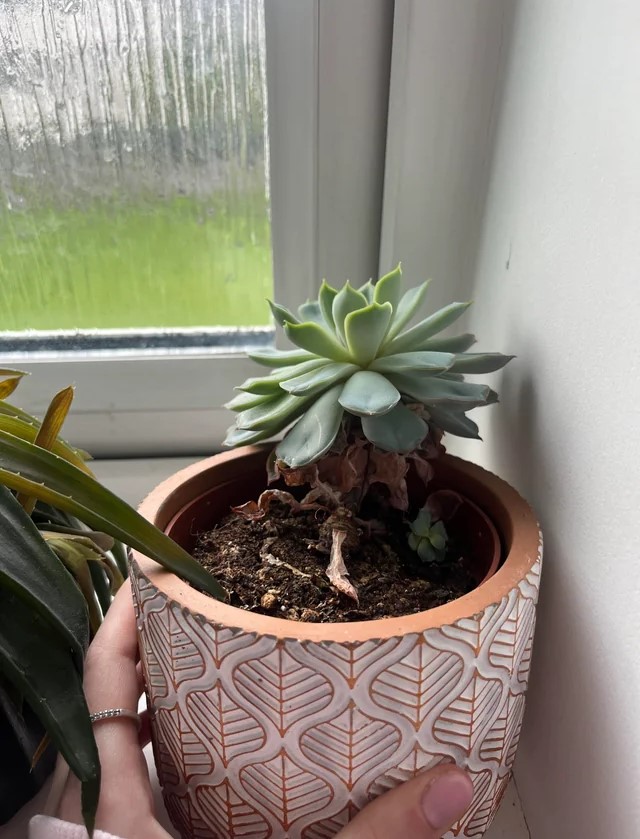
I totally get it—I used to line up my succulents like little soldiers along my brightest window, thinking I’d created a foolproof greenhouse. Here’s the messy truth: sun is great, but if you water your echeveria or jade plant “just because” (guilty), their roots will rot—sometimes before you even see things going south above ground.
Trick I learned too late: Bottom water your succulents every couple weeks by setting the pot in a shallow dish until the soil drinks up what it needs, then tip out any excess. It’s kind of impossible to overwater this way unless you leave them swimming for hours (don’t!).
2. Overcrowding Plants So No One Gets Enough Light
When I first went plant-crazy, I squeezed three big leafy pots together on one wide sill… and only the one closest to the glass actually flourished. The rest? Stretched and scraggly as they fought for sun.
Between you and me, treat that prized window like expensive downtown real estate: fewer plants with more elbow room means lush growth all around. Snake plants especially tend to sulk when fighting for light—even though everyone says they’re low maintenance.
3. Ignoring What Too Much Sun Feels Like (for Plants AND People)
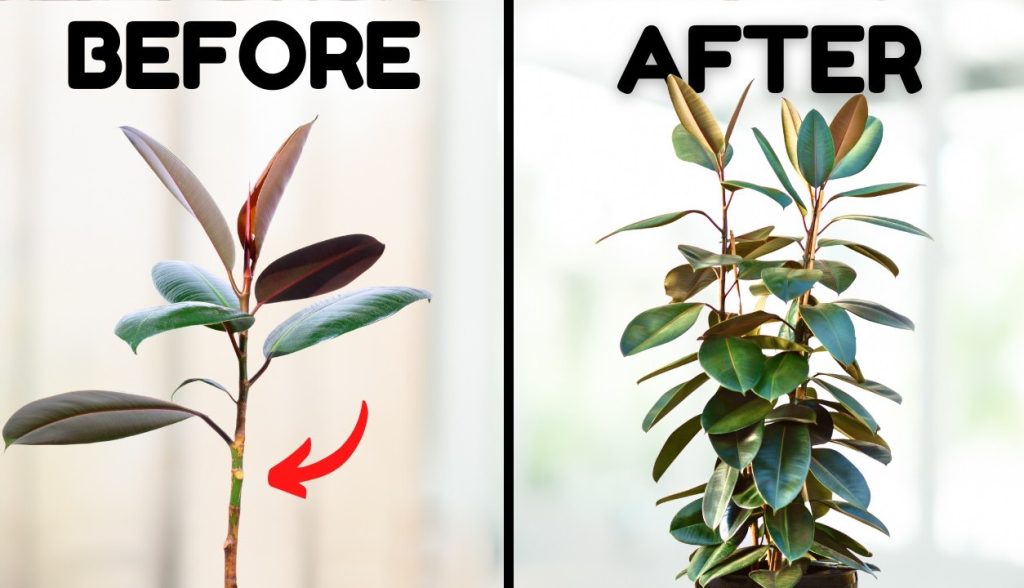
Rubber plants look all tough and shiny, but put them inches from hot glass during an August heatwave and those leaves scorch fast! The first time it happened, I thought some wild pest had attacked overnight—it turned out to be good old-fashioned sunburn.
If your fingers feel uncomfortable after holding your hand against the window at noon, your plant probably does too—just scoot pots back or hang up cheap sheer curtains (Target sells $12 packs!) to soften the midday glare.
4. Forgetting That Windowsills Are Microclimates
Here’s what most people don’t know: Even in the same room, two spots by two different windows can have wildly different conditions! In my last apartment, my west-facing window was basically a sauna after lunch while my east-facing nook stayed cool—a jade plant thrived in one spot but literally shriveled in the other.
Test things out before buying that giant fiddle leaf fig: leave a thermometer by your chosen spot for a day and see what temperature spikes happen. One summer afternoon above 85°F might mean disaster for softer-leaved ficus!
Embarrassing Plant Parent Stories (We All Have ‘Em)
Swapping stories keeps it real—so here goes. The very first time I tried growing echeveria near my kitchen sink (great light!), I kept misting it every few days because someone online said humidity was good for “all houseplants.” Spoiler alert: crusty brown patches appeared in weeks—the poor thing was literally drowning while trying to take a breath of dry air!
Or there was that epic moment when I “rescued” an abandoned fiddle leaf fig from Facebook Marketplace. Its roots were so traumatized from moving between dark rooms that even six hours of good sunlight made barely a dent—the lower leaves dropped off like confetti at prom night before anything perked up again. Sometimes plants need recovery time just as much as basic care instructions.
Small Wins That Actually Make A Big Difference
- Rotating Plants Creates Happy Surprises: My rubber plant grew uneven until I started rotating it 90 degrees every Sunday morning—you actually notice new growth popping where light finally hits.
- Wiping Leaves Doubles Their Glow: Plants gather dust like nobody’s business; after dusting mine with an old flannel shirt (best soft cloth ever), they genuinely seemed lusher within days.
- Letting Things Almost Dry Out Works Wonders: Fiddling less is better. Stick a chopstick down into the dirt—I found when it came out dry halfway down rather than just at the top inch, that’s when watering gave my snake plant actual vigor instead of just soggy misery.
Secret Tools & Unexpected Tricks
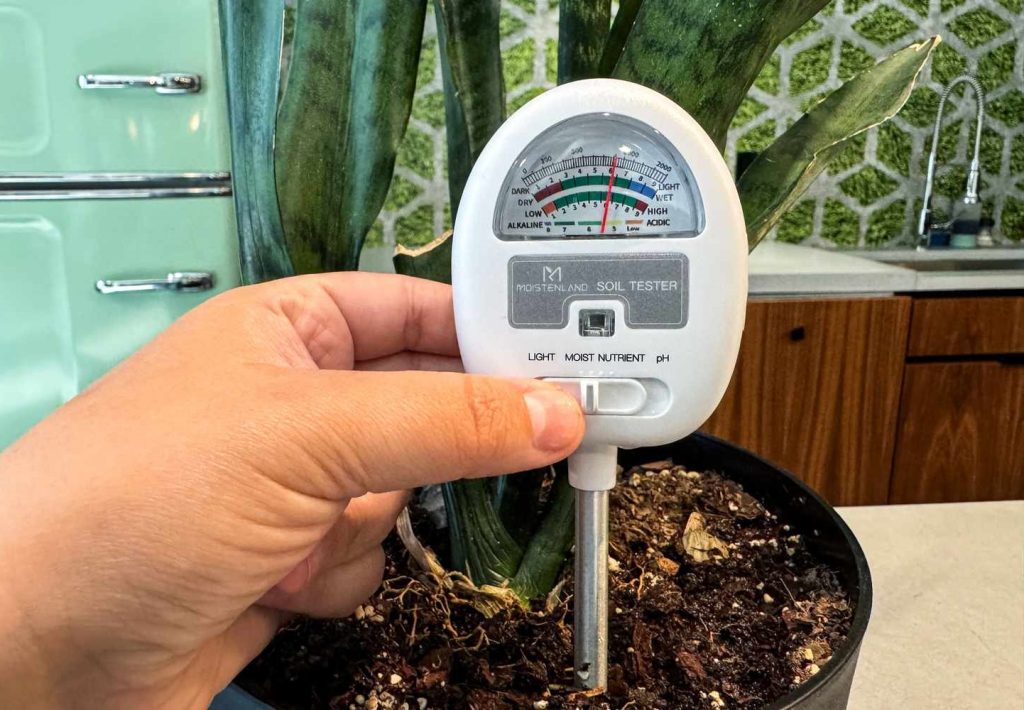
- Moisture Meter = Zero Guesswork: Invest $10 in a cheap soil moisture meter (mine’s from Amazon)—it’ll save so many root mishaps if you’re unsure.
- Terracotta Pots Help Prevent Overwatering: Plastic looks cute but doesn’t breathe; terracotta dries quicker and gives roots space to chill between downpours.
- Weekender Hack: If you’re gone frequently like me, group your thirstier plants together near a bucket of water—they create mini humidity zones for each other without extra work!
Most Importantly: Allow Yourself Some Learning Leeway
Plants really don’t judge how many times their owners mess up before finding what works; they’re quietly persistent that way. And nobody tells newbies how genuine trial-and-error is totally normal—as in dropping leaves when adapting or taking months before new shoots appear! My own confidence with bright-light beauties only clicked after three scrapped attempts and at least one legendary overwatering disaster.
You don’t need fancy grow lights or humidifiers right away—just start small, watch closely week-by-week (are leaves perky? Color vibrant?), learn from every wilted leaf instead of getting discouraged…and swap stories with friends who’ve also killed their fair share of greenery along the way.
Want proof it’s worth sticking with? There’s nothing quite like seeing fresh green peaks unfurl on your snake plant after months of looking parched—or realizing Julia’s once-wobbly rubber tree is now shading her cat asleep beneath its glossy canopy.
Your Actual Next Move
- Grab ONE sturdy bright-light pick—maybe try a snake plant if you want zero pressure!
- Claim that sunny spot (even if it means scooting clutter aside).
- Water less than feels right—seriously.
- Rotate and dust occasionally; talk to your plant if you’re feeling festive.
- Expect at least one bumpy patch—and know it’s part of owning living decor.
- Celebrate new growth no matter how tiny—it feels absurdly rewarding!
Don’t let perfectionism scare you off before your windowsill even gets started—the biggest mistake is waiting until everything feels ideal or overthinking which box-ticking advice blog is “right.” There are plenty of ways for both plants and people to thrive—even if nobody mentions how many tries are allowed first.
So next time someone gushes about their thriving succulents, ask them how many crispy casualties came before success…you’ll both end up laughing—and maybe learning something that saves your next green companion from an early demise!