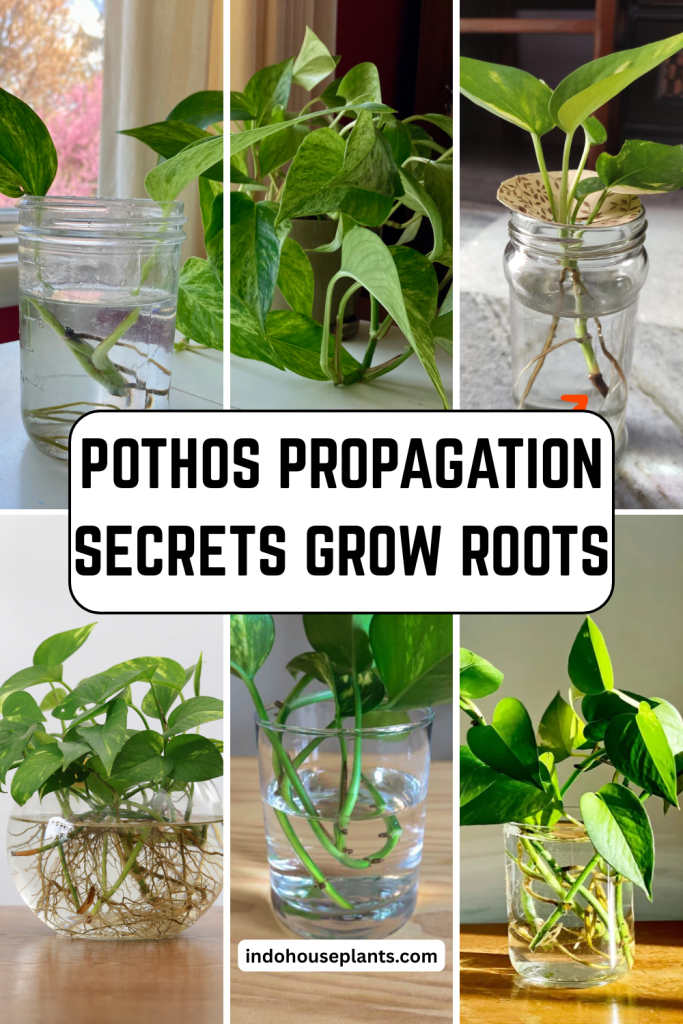
Skip the fluff—propagating pothos isn’t rocket science, but there’s real psychology at play here that most people don’t talk about. I’ve found it’s as much about boosting your plant confidence as it is about growing new vines. If you can tie your shoelaces, you can definitely pull this off—even if you’re convinced you have a black thumb.
Let’s get straight to what matters. Most tutorials stop at “cut below a node and put it in water,” but they gloss over why this actually works (and how it shapes your future as a plant parent).
Why Propagating Pothos Works (And Makes Us Feel Good)
There’s a quiet power in watching new roots appear—they’re living proof you didn’t just accidentally prune your plant to death. Every propagation success wires your brain with positive reinforcement, kind of like tiny green dopamine hits on your windowsill.
Back in 2019, my first few pothos cuttings rooted while I was having the kind of week where every email felt like bad news. That micro-success lit up my mood far more than I want to admit—it shifted my perception from “maybe I suck at plants” to “hey, look what I can do.” That psychological win is why pothos are gateway plants for beginners.
The reality is: You’re not just making clones; you’re quietly training yourself to notice details, trust a simple process, and watch for progress. Those are classic motivation triggers—which explains why serial propagators start looking for excuses to try trickier plants next.
The Blunt-Truth Guide to Propagating Pothos
Forget about expensive rooting gel or complicated setups—here’s what actually gets results:
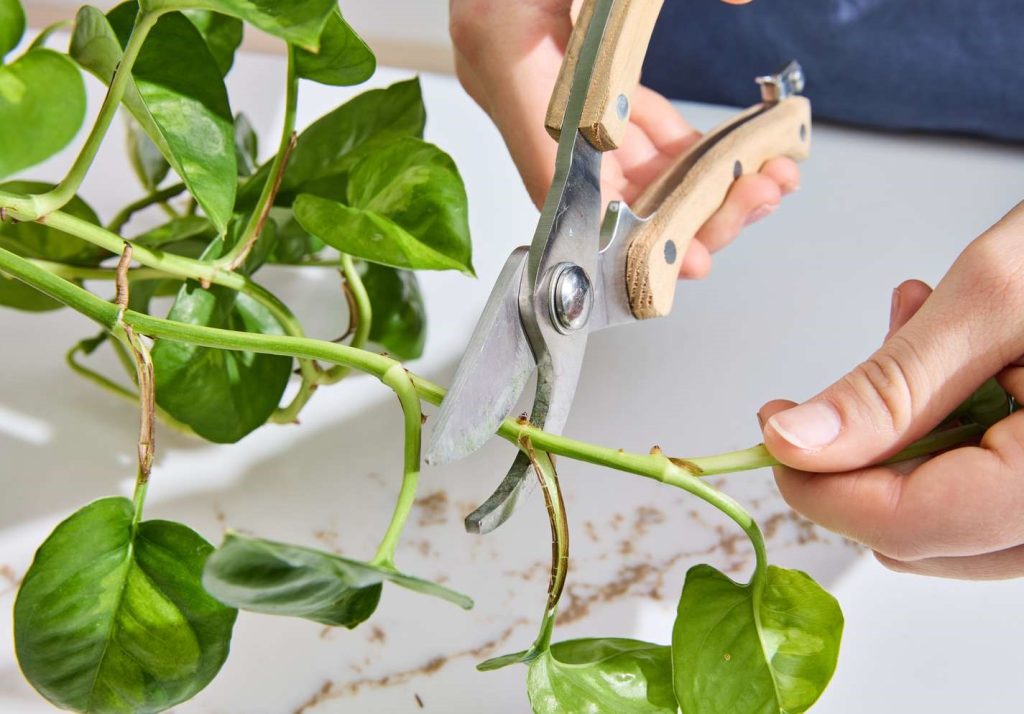
1. Scissors & Site Selection:
Clean scissors aren’t optional—dirty blades spread gunk that kills cuttings before they get the chance to root. Most people don’t realize how much bacteria live on the average kitchen shear; just swipe them with rubbing alcohol before snipping.
When picking your vine: skip anything limp or spotty with yellow marks—that’s stress-prone tissue more likely to rot. You want firm stems and leaves that snap back when bent.
2. The Node Knows All:
Nodes aren’t random nubs; they’re little hormone factories built for survival mode. Here’s what most folks miss: Rooting happens at nodes because they’re loaded with auxins (plant hormones) waiting for an excuse to grow down instead of up.
If you cut above or between nodes, nothing happens except disappointment and wilted leaves.
3. Remove Lower Leaves—But Not Too Many:
I’ve run plenty of failed first attempts by getting overly ambitious and stripping every leaf off aside from one measly bit at the tip; sure, less rot—but also less surface area for photosynthesis. Balance matters: leave two leaves minimum for energy production.
Sensory cue for success? When you dunk that cutting into water and feel only smooth green stem under your fingertip—no slimy leaf bits hiding near the node—you know it’ll stay fresh longer.
4. Light: It Matters More Than Water Source:
Here’s the unpopular truth: Tap water vs filtered usually won’t make or break things, but light position absolutely will. Indirect light triggers root growth enzymes; too little means the cutting just sulks forever without doing much of anything.
Years ago I tried rooting batches on north-facing verses south-facing sills—the bright batch sprouted roots three times faster, plain and simple.
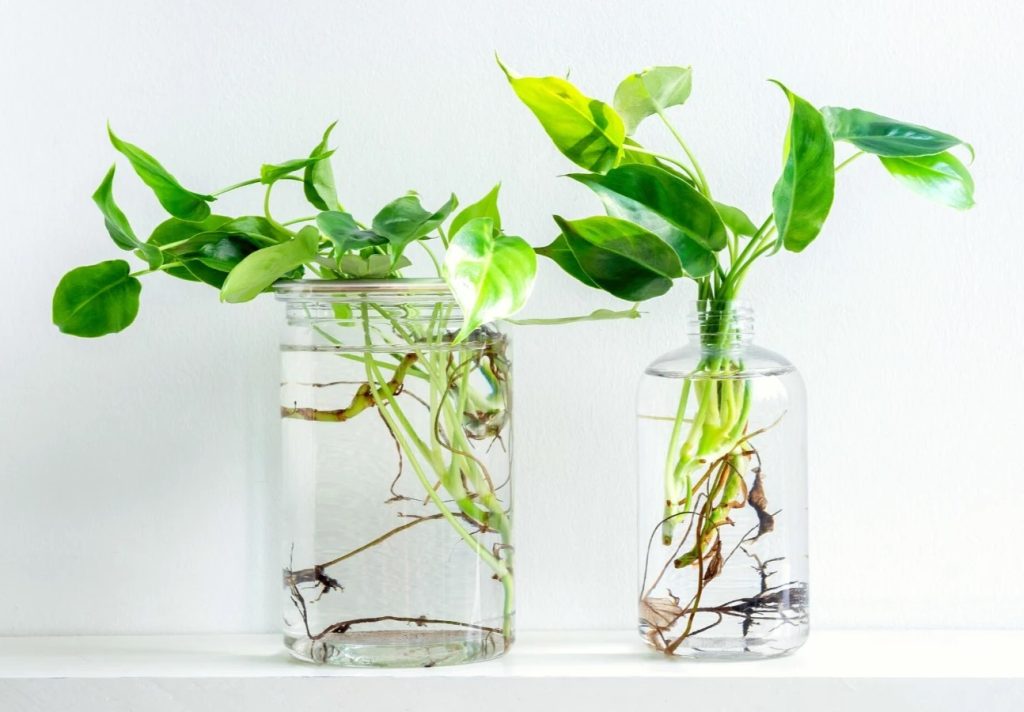
5. Change That Water!
This one sounds trivial until you smell old propagation water—sour aquarium is not an exaggeration! Every time you walk by the jar (every other day works), quickly swap in some fresh room temp tap water.
Unconventional but effective trick: Toss a drop of hydrogen peroxide into murky water if things smell off—it zaps spoilage bacteria fast without hurting roots (I learned this while rescuing three borderline-ruined cuttings after a summer heatwave).
Honest Lessons from Pothos Mishaps
Let’s be honest: Not everything goes right every time—and that builds resilience, not defeatism.
One spring I lined up twelve cuttings from the same mother plant in matching jars—nine rooted perfectly… three turned black within days, no matter what magic tricks I tried (vitamin C drops, cinnamon powder—you name it). At first I thought something was wrong with me as a gardener; turns out those stems were showing mild disease even before cutting—I just hadn’t noticed subtle texture changes near the node (they felt slightly soft instead of firm).
Lesson learned: The failures taught me more than any gardening blog ever could—and made every thriving cutting ten times sweeter later on.
Psychological Tricks For Thriving Cuttings (and Confidence Boosting)
Here’s what makes pothos propagation secretly addictive:
- See progress daily: Keeping cuttings somewhere visible turns “plant care” into a natural habit loop—you’ll spot change each morning without effort.
- Celebrate inch-long roots: Yes, measure them with a ruler if you need proof! Small milestones matter.
- Trade baby plants: Gifting newly-rooted pothos creates social reinforcement—someone else gets joy from your handiwork.
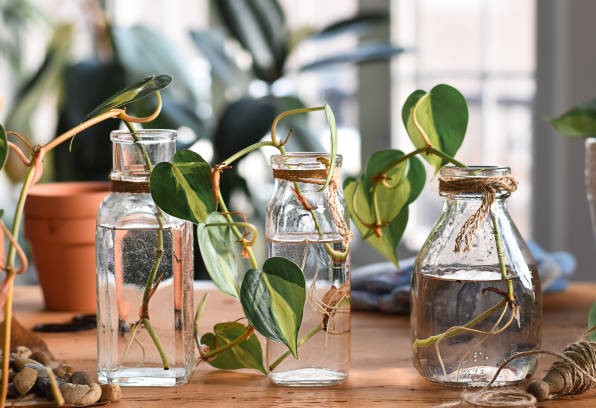
- Try weird containers: Mason jars work well…but so do old mustard glasses or clear vases rescued from thrift shops. Personalizing where your vines root gives creative satisfaction beyond horticulture.
- Keep notes: Jot down which window got fastest results or which color glass seemed best—building reference points cranks up your sense of mastery over time.
- Reframe setbacks: Every rotten stem is feedback—not failure—and one step closer to instinctive know-how next round.
Real Talk On What Most Plant Books Won’t Mention
Skip perfectionism—all those Instagram-perfect propagation trays are staged nonsense half the time anyway. Your seven oddball jars lined on flimsy window shelves are exactly how true green thumbs get started (ask anyone who collects houseplants by the dozen).
You don’t need every cutting to survive—in fact, expect some losses so they sting less each time. Watching roots cluster around nodes feels like winning tiny lotteries repeatedly…and honestly, after a couple months in water those baby vines will be hardier than plants bought new at fancy nurseries!
Action Checklist (No-Nonsense Edition):
- Grab sharp scissors + clean ‘em thoroughly.
- Pick healthy vine sections with plump green nodes.
- Snip below node—not above.
- Strip only bottom-most leaf per cutting; leave 2–3 remaining per stem.
- Dunk node fully under water in clear vessel; keep remaining leaves dry/aloft.
- Place somewhere bright but sun-shaded; mark calendar for changing water every 2–3 days.
- Watch roots form over next 1–4 weeks (don’t panic if slow).
- Move rooted cuttings into soil once roots hit an inch—or keep growing them hydroponically forever!
If anything smells foul or looks mushy early? Junk it guilt-free and try again—you learn fastest by doing rather than agonizing over hypotheticals.
In short: Propagating pothos isn’t just easy—it sneakily rewires how you approach problems elsewhere too (“one step at a time beats fear”). And if all else fails? Start fresh next weekend; these forgiving vines have got patience for days…and now so do you!
Ready to fill shelves with lush new greenery—and maybe reset how you see mistakes? Go slice some nodes and watch possibility happen right in your own kitchen window!