Let’s skip the fluff: if you’ve ever wondered why your neighbor’s pothos is climbing the ceiling while yours looks like it just pulled an all-nighter, you’re not alone. Plenty of folks follow the textbook basics—water, light, and “good vibes”—but when it comes to truly maximizing indoor plant health and longevity, there are advanced techniques most plant parents never hear about.
After a decade of turning my apartment into a veritable jungle (and killing my fair share of plants in the process), I’ve learned what genuinely works—and what’s more hype than help.
The Dirty Truth About Indoor Light
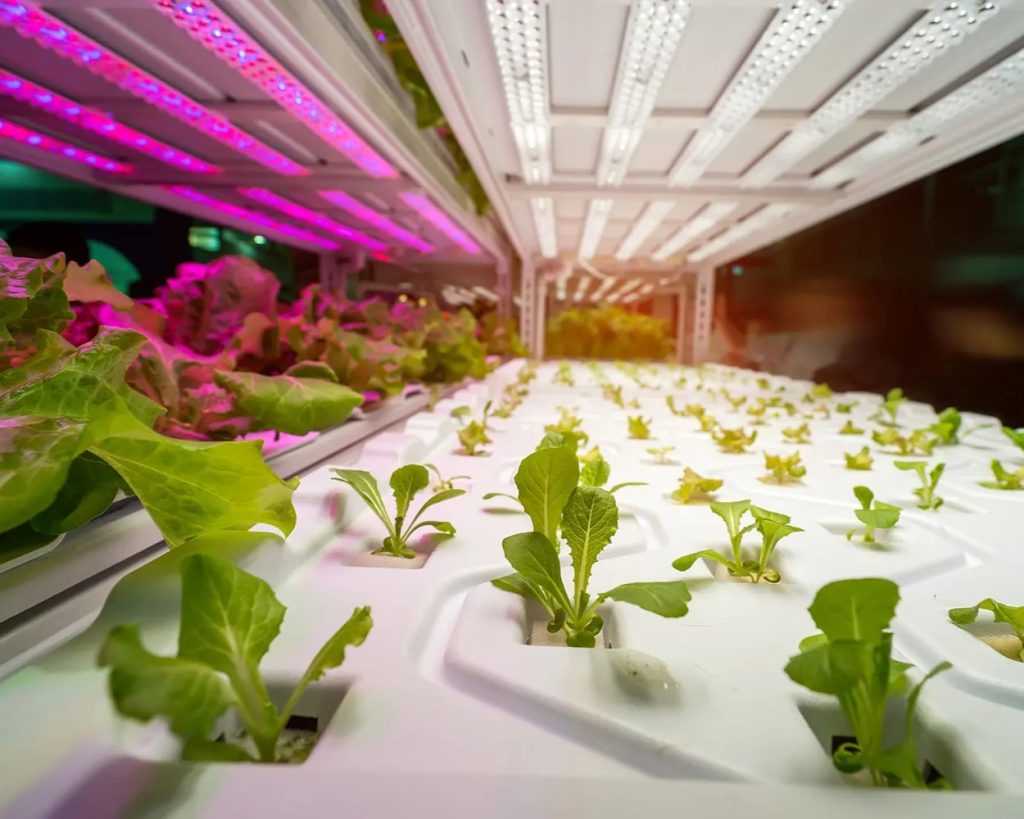
Here’s what most people don’t know: Even “bright” indoor spaces typically deliver a fraction of outdoor sunlight. I measured mine with a PAR meter—my brightest south window maxed out at 120 μmol/m²/s mid-day. Compare that to outdoor sun at noon pushing 2000+. That means you’re starting from behind.
Insider tip: Not all LED grow lights are created equal. Skip the budget options with pinkish or overly blue hues—they might look cool on Instagram but won’t give your plants balanced growth. The best results I’ve seen come from full-spectrum LEDs with customizable output—brands like Spider Farmer or Mars Hydro pay off long-term. Set them 12–16 inches above foliage for even coverage.
What finally pushed my prayer plant from “meh” to massive? Swapping my basic clamp light for a dimmable full-spectrum bar, paired with a $10 digital cycle timer so daylight hours never drifted—even when I forgot.
Pro move: Adjust the “sunrise” time every few months so your plants actually sense seasonal change; this triggers natural growth cycles for many species.
Airflow: The Overlooked Power Tool
Most care guides miss this entirely: stagnant air suffocates roots and encourages fungal gunk. I used to get gnats every spring—until I installed a tiny clip-on oscillating fan in my shelving unit. Within days, mold vanished and new growth thickened up noticeably.
Caution: Don’t blast your plants like they’re in a hurricane; gentle movement is enough. Place your hand near the leaves—if you barely feel it, that’s perfect.
What failed first: My early attempts involved those cheap USB desk fans pointing straight at delicate seedlings… snapped stems everywhere! Now, every fan gets angled upward across the tops—not directly at any single leaf cluster.
Root Zone Warmth—The Secret Sauce
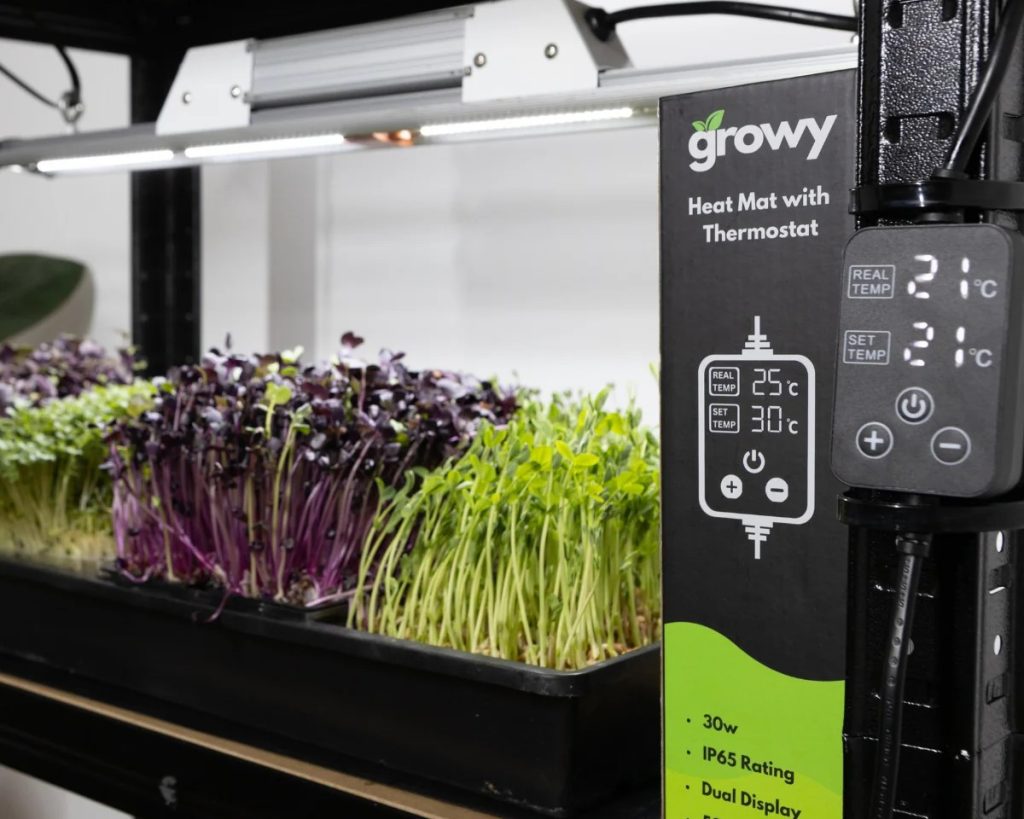
This changed everything for my tropicals during cold snaps: heating mats under select pots (set to around 23°C or 73°F) kept calatheas and alocasias pushing new leaves through January while everyone else complained about winter dormancy. You don’t need to heat the whole room—just create microclimates where your fussiest plants live.
Back in 2019, after losing three pricey Anthuriums to root rot over one chilly February, I invested $28 in a basic seedling heat mat paired with an Inkbird thermostat. Since then? Zero midwinter losses, and root growth often doubles based on how much faster old roots get replaced by bright white new ones come spring re-potting.
Feeding Smarter: Less Is More (No Joke)
Let’s be honest: Over-fertilizing killed more of my first plants than pests ever did. Here’s what matters—slow-release pellets beat weekly liquid feeds almost every time indoors. Why? Consistency trumps short-lived surges. Osmocote or Jobe’s Organics have saved me from countless salt-burn disasters (especially true with peace lilies and ferns that hate swings).
My low point was bleaching half my begonias with “miracle” liquid orchid feed after reading some online forum advice… lesson learned! Now I top-dress at repotting only; if they look peaky mid-year, then add only half-strength liquid fertilizer as backup.
Watering: X-Ray Vision Beats Guesswork
Moisture meters get mocked online because plenty misread clay-heavy soils—but for standard potting mixes indoors, basic models ($12 on eBay) have nailed timing better than any finger test ever did for me. What most people don’t realize? It’s not about chasing ‘ideal’ numbers—the real magic is learning patterns: which corners dry out first vs which pots stay soggy longest.
Bonus hack: Try self-watering pots only for species that hate drought stress (think Fittonia or Calathea). Otherwise, you risk root rot in succulents or snake plants unless you tweak substrate mix heavily toward grit/perlite.
Real-World Results From My Living Room ‘Lab’
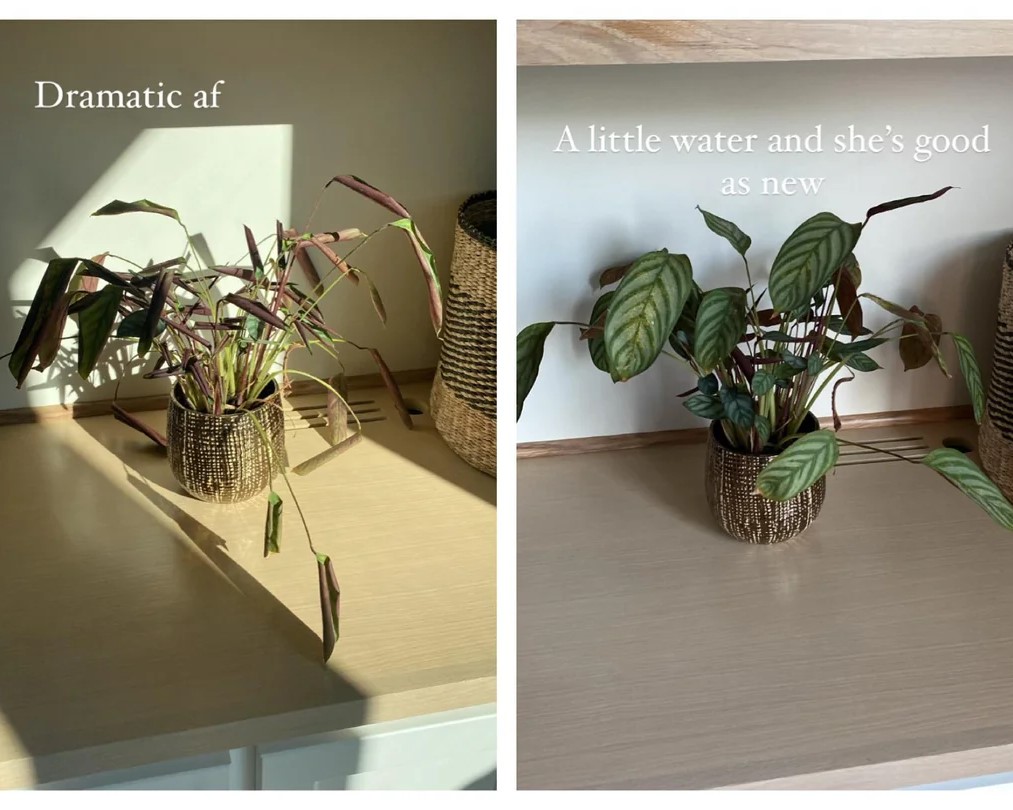
- Calatheas: Looked chronically sad until their own custom lamp + root mat setup went in; now they’re throwing out new leaves every month—even when humidity drops.
- Herb shelf: Upgraded from wonky desk lamp + occasional window sunlight to full-length LED strip + daily two-hour afternoon fan blast = parsley so dense it looks fake.
- Mini greenhouse corner: Lost two prized bonsai winters ago before adding bottom heat + gentle airflow + smart plug timer; next winter those same trees doubled leaf count instead of shedding!
If you want results without wasting cash—or patience—start one tool at a time:
- Boost light quality with proper spectrum LEDs before anything else.
- Add gentle airflow somewhere near your densest grouping.
- For tropicals or problem spots: try targeted heating mats.
- Upgrade nutrition to slow-release granules—liquids only as needed.
- Keep records! My phone has week-by-week photos spanning years; progress is oddly satisfying when you see side-by-sides six months later.
Final Thoughts — Skip What Doesn’t Serve You
Every plant person finds their own rhythm—but trust me when I say chasing perfection wastes more good plants than experimenting slowly ever will. Most of my breakthroughs came right after something tanked—and fixing that specific issue led me somewhere way better than any tutorial promised.
So grab that timer, angle that lamp just a touch lower this week, set up a humble little fan… and watch things start to shift fast. Your plants will tell you what they love—you just need to give them tools worth talking back to!
And remember—the real growth happens not just on the windowsill but between each step where you decide “the basics aren’t good enough anymore.” Welcome to advanced indoor gardening—the view really does get greener from here!