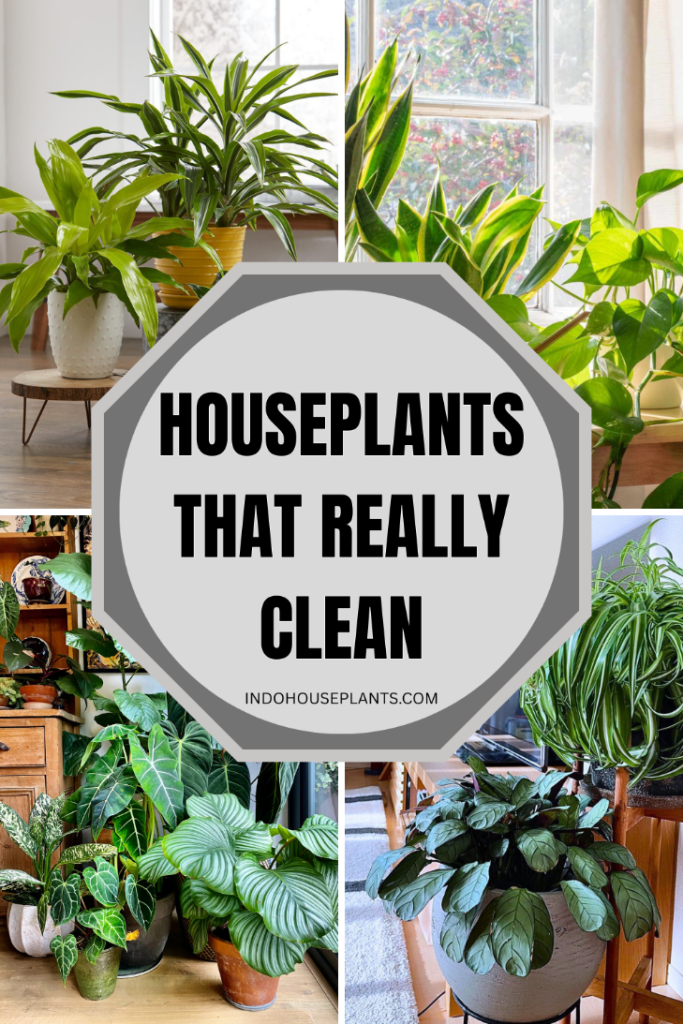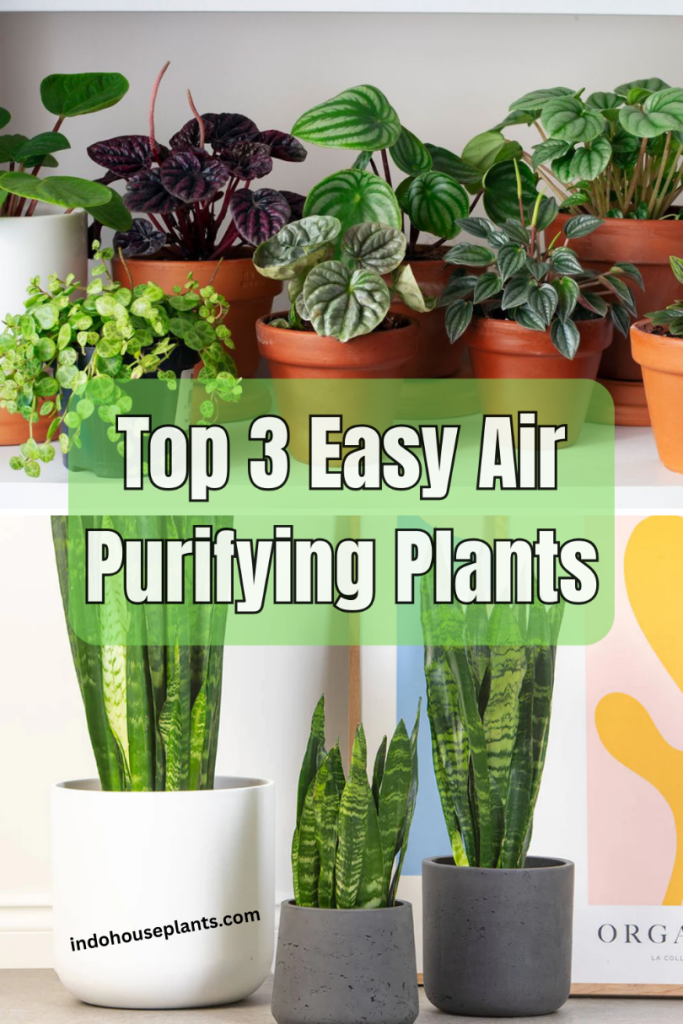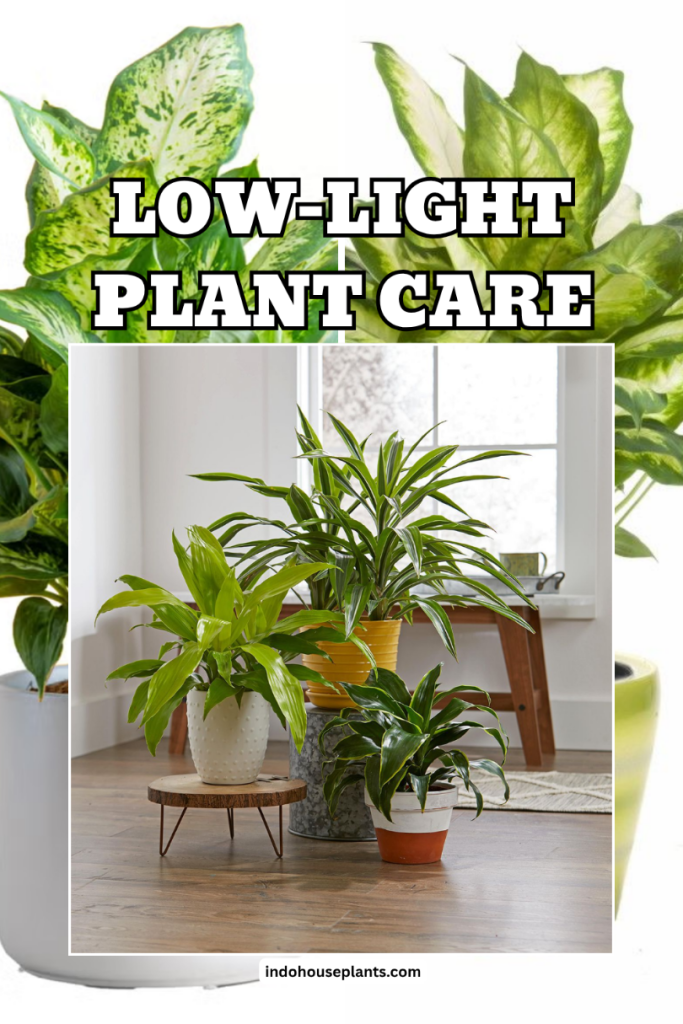
Living in a low-light apartment doesn’t mean you have to give up on having healthy, air-purifying plants. I’ve learned this firsthand—many of mine survived (and even thrived) in spaces that were more “mood lighting” than “sunny windowsill.” Whether you’ve got a tiny sliver of daylight or just a ceiling bulb, you can still keep your green friends alive. Here’s exactly how to do it.
The Honest Truth About Air-Purifying Plants
Let’s get real for a second: while plants like snake plants, pothos, and peace lilies do clean the air a bit, you’d need a whole jungle to make a dramatic difference. Still, having a few tough, air-purifying plants can freshen up your space and mood—and they look great while doing it.
Step 1: Pick the Toughest Survivors
Not all “air-purifying” plants are cut out for low-light conditions. Start with these nearly indestructible, proven survivors:
- Snake Plant (Sansevieria): Needs only occasional water and shrugs off neglect. Happy in the shadiest corners.
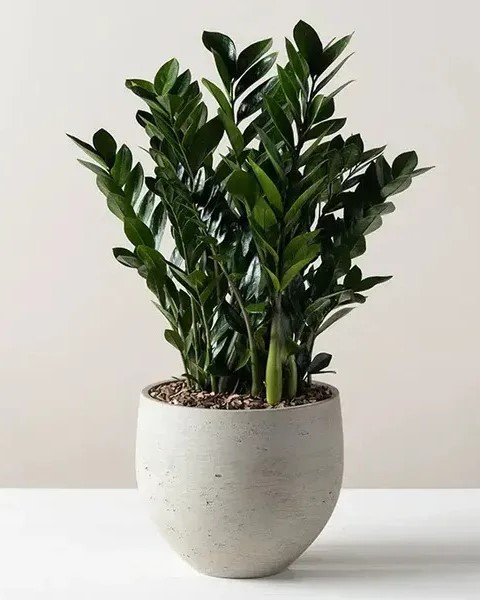
- ZZ Plant (Zamioculcas zamiifolia): Tolerates drought, low light, and forgetful plant parents.
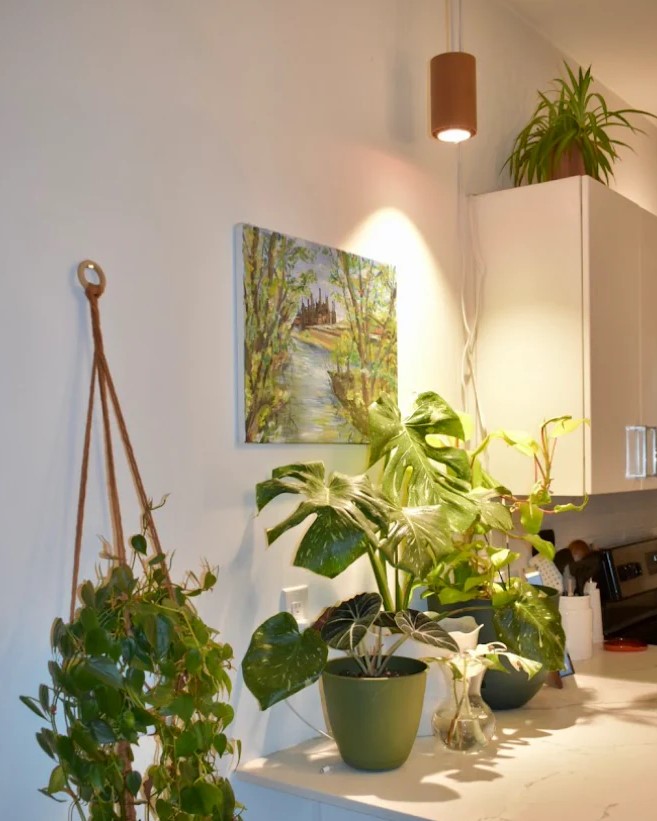
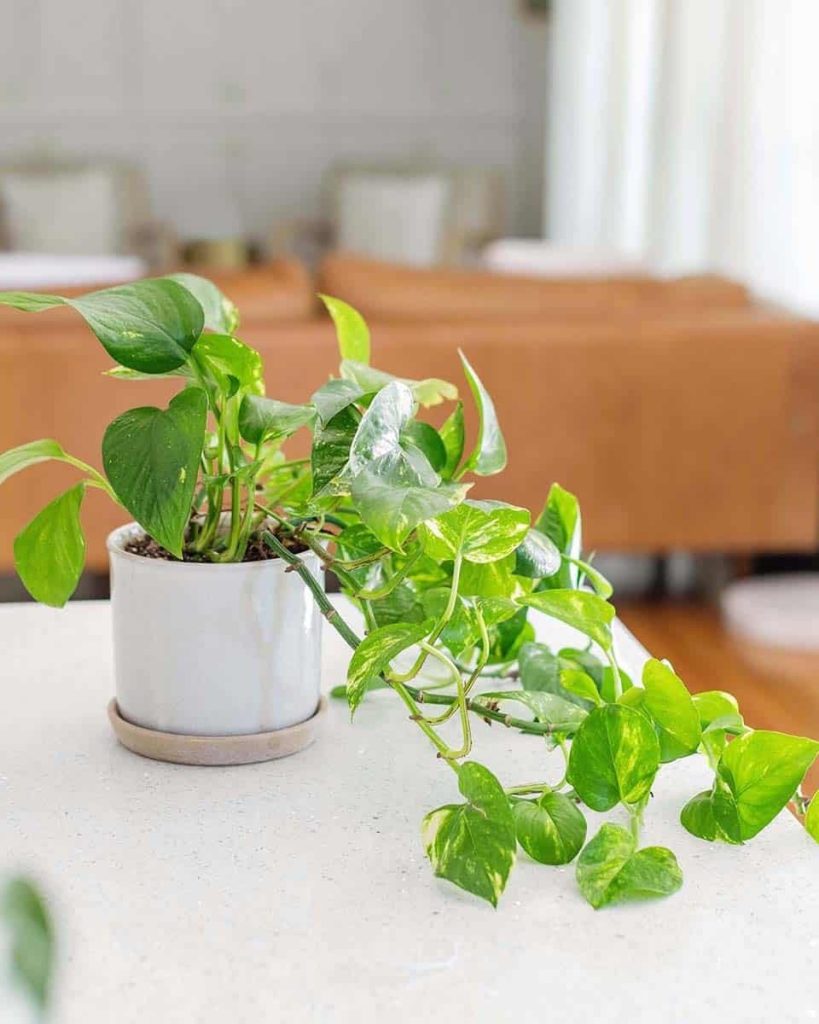
- Pothos: Grows well even in offices with only overhead lights. Trailing vines brighten up any spot.
- Cast Iron Plant: Named for its toughness—survives low light, missed waterings, and general chaos.
- Peace Lily: Needs a bit more light but will survive in most rooms if there’s occasional daylight.
Quick tip: When shopping, snap a photo and show a staff member. Ask: “Will this survive in a low-light apartment?” Skip ferns and high-maintenance plants.
Step 2: Make the Most of Your Limited Light
If you have even a hint of daylight, that’s your plant’s lifeline. Try these simple tricks:
- Window Priority: Place your plants as close to your brightest window as possible—even if it means rearranging furniture. The closer, the better.
- Mirrors Help: Position a mirror behind or beside your plants to bounce extra light onto leaves. Cheap stick-on mirrors or even a shiny tray works.
- Keep Leaves Clean: Dust acts like sunglasses for your plant. Wipe leaves gently every couple of weeks.
- Rotate Regularly: Turn your pots a quarter turn every week. This keeps growth even and prevents “leaning” toward the light.
No window? Don’t worry—move straight to step 3.
Step 3: Grow Lights (Made Simple)
You don’t need fancy equipment! Any “full spectrum” LED grow bulb (they’re usually around $10–$15) screwed into a regular lamp can work wonders.
- How to set it up: Place the lamp about 8–12 inches above the plant.
- How long to use it: 8–12 hours a day. Use a timer so you don’t have to remember.
- What bulb to buy: Look for full spectrum grow bulbs online or at hardware stores.
Bonus: In a pinch, even a regular LED desk lamp will keep most low-light plants alive, though they won’t grow as fast.
Step 4: Water Less in Low Light
Here’s where most plant parents trip up. Plants in low light drink much less than you think.
- Try the “finger test”: Stick your finger into the soil up to your first knuckle. If it feels dry, water; if not, wait a few days.
- Less is more: Most low-light plants only need water every 2–3 weeks in winter.
- Skip fertilizer: Don’t feed your plants unless you see new growth. Too much food in low light can do more harm than good.
- Bottom-watering trick: Place your pot in a bowl of water for 10 minutes, then let it drain. This helps avoid soggy roots.
Yellow, droopy leaves? Usually means too much water. Crispy brown edges? Probably too dry or too close to a lamp.
Step 5: Get Creative With Space
If window sills are crowded, try these ideas:
- Vertical shelves: Stack plants so each gets a slice of light.
- Wall-mounted planters: Hang above your brightest spot.
- Shower rod jungle: Hang a pothos or two from your shower rod—bathroom lights work fine!
- Rotate the “favorites”: Move the most struggling plants to better spots every week or two.
Step 6: When in Doubt, Start Small
Don’t stress if things go wrong. Everyone has lost a plant—even seasoned plant parents. Here’s what to do if you hit a snag:
Quick Troubleshooting
- Leaves turning yellow and mushy: Too much water. Let soil dry out and reduce watering.
- Leaves getting pale or stretched (“leggy”): Needs more light. Move it closer to a window or add a grow light.
- Brown tips: Air too dry or not enough water. Try misting gently or adjust watering.
If a plant dies, it’s not your fault—just try again with a tougher variety.
Your Simple Action Plan
- Pick the right plants: Start with snake plant, pothos, or ZZ.
- Move them to the brightest spot: Even if it’s just a little light, it matters.
- Try a cheap grow bulb and timer: If natural light isn’t enough, this is a game-changer.
- Water only when dry: Use your finger to check and write down your watering days if you’re forgetful.
- Dust leaves occasionally: It helps more than you think.
- Celebrate new growth: Snap a pic! That’s your success.
Real Talk: You Got This
You don’t need a green thumb or a sunny home to keep plants alive. Start with just one—see how it goes. Don’t be afraid to experiment. The more you try, the better you’ll get. Soon enough, your apartment will feel fresher, greener, and a little more like home.
You’ve got this—and your plants are rooting for you!