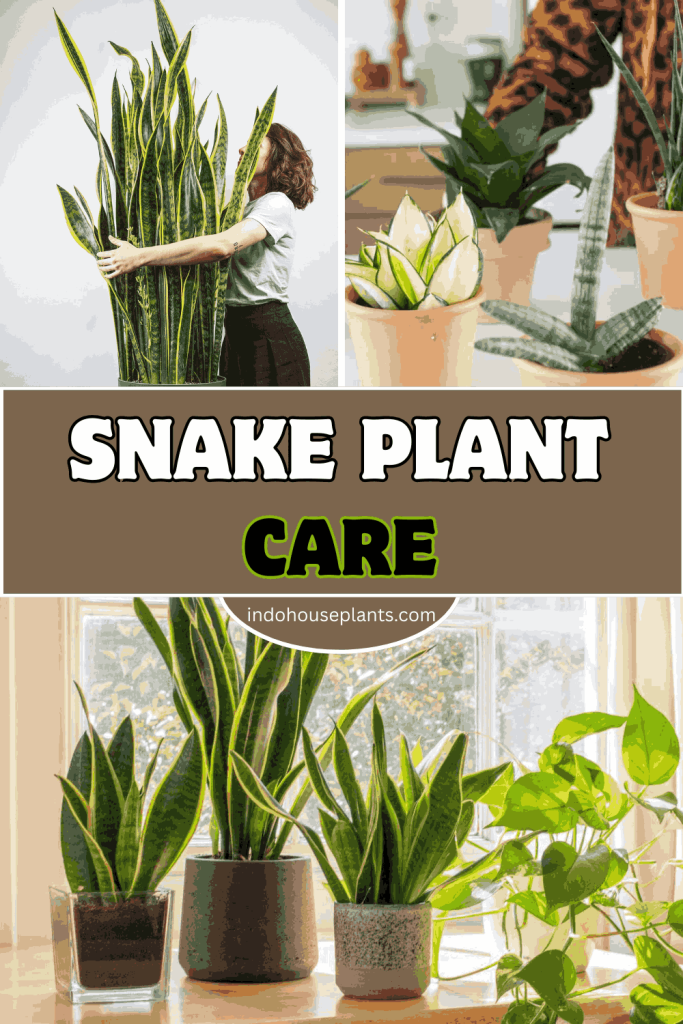
Let me just say right out of the gate: if you’ve ever killed a “hard-to-kill” snake plant, you’re in good company. I totally get it—the number of times I thought my snake plant was on its last, limp leaf? Too many to admit without blushing. Snake plants have this reputation for being bulletproof, but what nobody seems to talk about is all the little mess-ups that happen along the way (and trust me, most of us have made them at some point).
The Sneaky Mistakes Everyone Makes With Snake Plants
1. Thinking No Light Means “No Problem”
Between you and me, there’s this myth that snake plants actually like living in the darkest corner where even your socks go missing. The truth? Sure, they’ll survive, but they’ll look sort of miserable—stretched out, floppy leaves, maybe faded color like they’re stuck in an ‘80s movie filter. I used to stick mine behind my TV because it felt “decorative,” until I realized it looked more like a sad prop than a real plant.
Here’s what most people don’t know: Even moving your snake plant closer to a window for just a few hours each day can totally pep it up—like giving it a mini vacation in the sun.
2. Watering by Calendar Instead of Feel
My first mistake? Trying to be responsible by setting a watering schedule (“every Sunday!”) and sticking to it no matter what. Classic rookie move. These guys don’t care about your calendar—they care about bone-dry soil.
A trick that changed everything: Poke a wooden chopstick or even an old pencil deep into the soil instead of using your finger—if it comes out clean and dry at two inches down, water away. If not? Wait it out. Bonus: You stay clean and so does your manicure (if you’re into that).

3. Falling Into the “Bigger Pot Must Be Better” Trap
Oh boy, did I learn this one the hard way! Once, feeling ambitious, I upgraded my thriving little plant to a pot twice as big—with dreams of monster leaves overnight. What really happened? The extra soil held water like a sponge and my poor plant’s roots basically drowned.
Most people don’t realize: Snake plants prefer being slightly cramped; they’ll even flower when rootbound (though don’t hold your breath—it’s rare indoors).
4. Ignoring Mushy Leaves Until It’s Too Late
It starts with one squishy base leaf—you think, “Eh, maybe it’ll bounce back.” But those mushy bits are like plant quicksand; ignore them and things escalate fast. Between you and me: don’t hesitate—snip them off with disinfected scissors as soon as you spot them.
Why this matters: Rot spreads crazy fast underground where you can’t see it.
5. Assuming Slow Growth Means Something’s Wrong
Snake plants aren’t show-offs; their growth spurts are more tortoise than hare territory—especially in winter or low light conditions. Early on, I watered more hoping to “wake up” the plant—resulting in drama (see point #2). Trust their pace!
Here’s What Most People Don’t Know
- Snake plants change their stripes! (Sorta.) If yours starts growing skinnier or lighter-green leaves compared to before—that usually means it wants more light.
- Tiny brown tips on new leaves after repotting? Almost always stress from shock—not your fault! Just snip ‘em.
- Tap water in some areas has lots of fluoride/chlorine—this can cause brown tips too (learn how to test your water). Letting water sit out overnight helps.
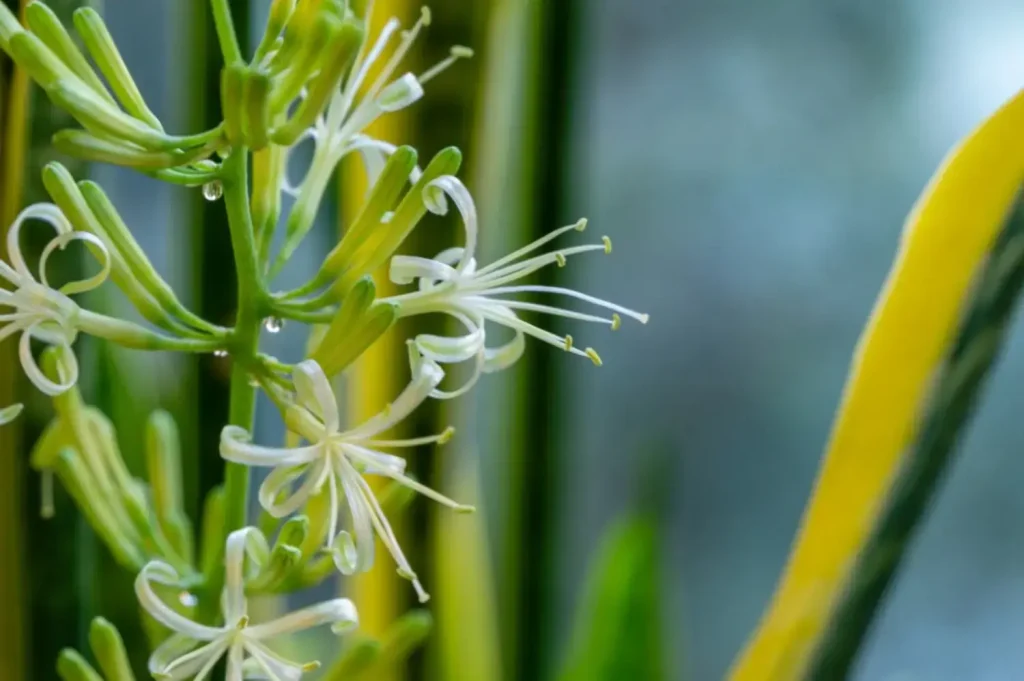
- Those flowers everyone posts online? They only bloom when super happy AND slightly neglected—I got mine to flower by forgetting about watering during vacation!
Real-Life Examples Nobody Tells You
Not long ago—in February 2022—I left town for three weeks and forgot about my office snake plant entirely (I mean…totally hidden behind my desk clutter). Came back expecting carnage… instead found sturdier-than-ever leaves AND a weirdly sweet scent because—surprise—it had bloomed while abandoned!
Another time—a friend texted me photos freaking out over yellow patches at the base; turns out her partner was secretly watering every time she wasn’t home (“the plant looked thirsty”). Teamwork fail—but we all laughed once we realized.
My Unconventional Fixes
- Clay pots > Plastic pots for forgetful waterers like me—they let soil dry faster.
- To check humidity without fancy gadgets: rub your hands together briskly—if they crackle with static or feel Sahara-dry afterward, so does your room.
- Feeling nervous about overwatering? Skip full-strength fertilizer altogether—snake plants are fine with nothing but fresh potting mix every couple years.
Bottom Line: Progress Not Perfection
Nobody gets every detail right at first—and honestly? That’s half the fun with snake plants; they forgive us while we fumble our way through ownership.
So next time something looks off:
- Move them near morning sun for lunch dates;
- Use that chopstick test before reaching for the watering can;
- Don’t panic if growth feels glacial—they aren’t racing anyone anyway.
And if all else fails? Text me—or any fellow snake parent—a photo before spiraling into Google doom-searches (“plant death imminent???”). More often than not, you’ll find someone who’s made exactly the same mistake… probably last Tuesday.
You’ve got this—the best thing about snake plants is how resilient both THEY are…and YOU will feel once you realize how many “mistakes” don’t really matter at all.
Happy neglecting…er, planting!