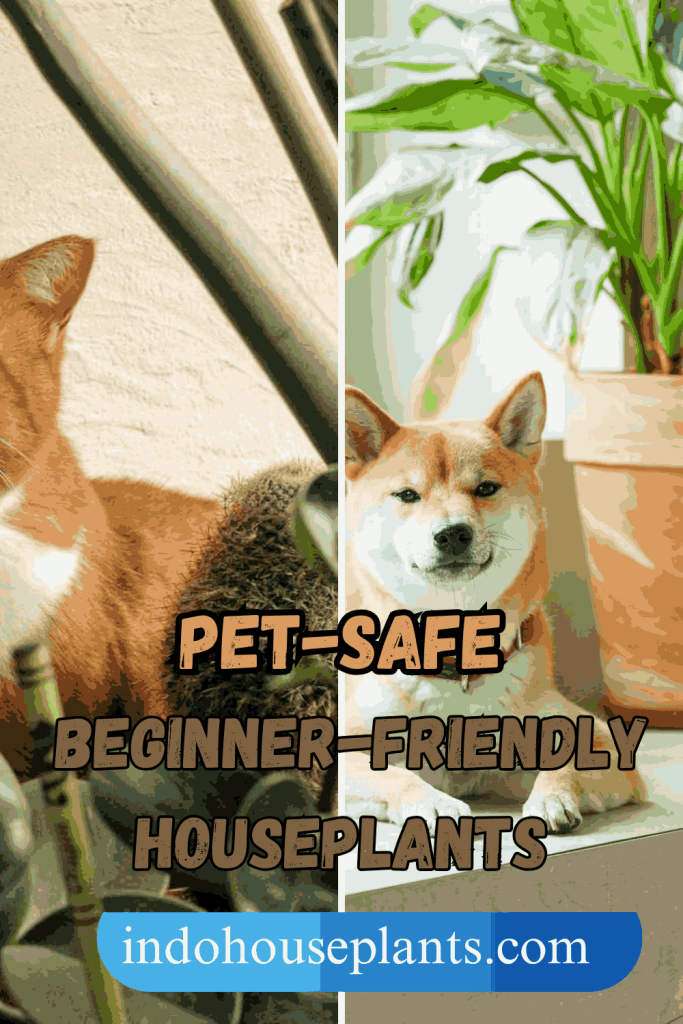
Thinking about adding greenery to your home, but worried your furry friends will get into trouble—or that you’ll accidentally kill everything? Good news: There are plenty of houseplants that are safe for pets and practically impossible to mess up, even for total beginners.
Here’s a straightforward guide to the best options, how to care for them, and how to keep both your pets and your plants happy.
The Top Pet-Safe, Beginner-Friendly Houseplants
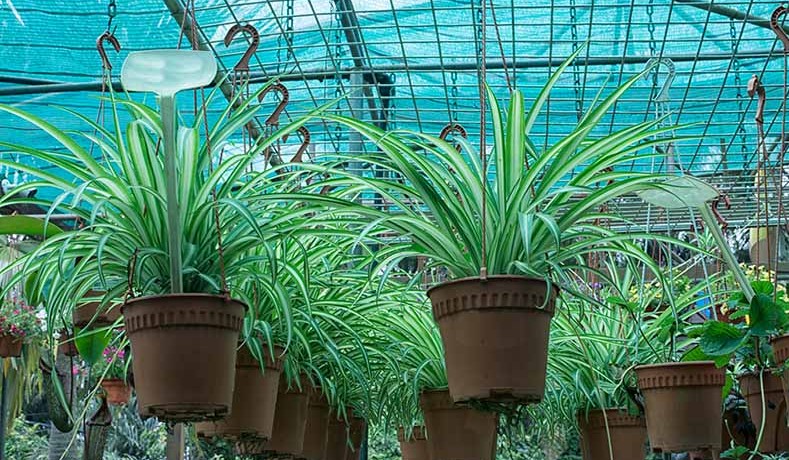
1. Spider Plant (Chlorophytum comosum)
- Why it’s great: Super tough, bounces back from neglect, easy to grow more from “babies.”
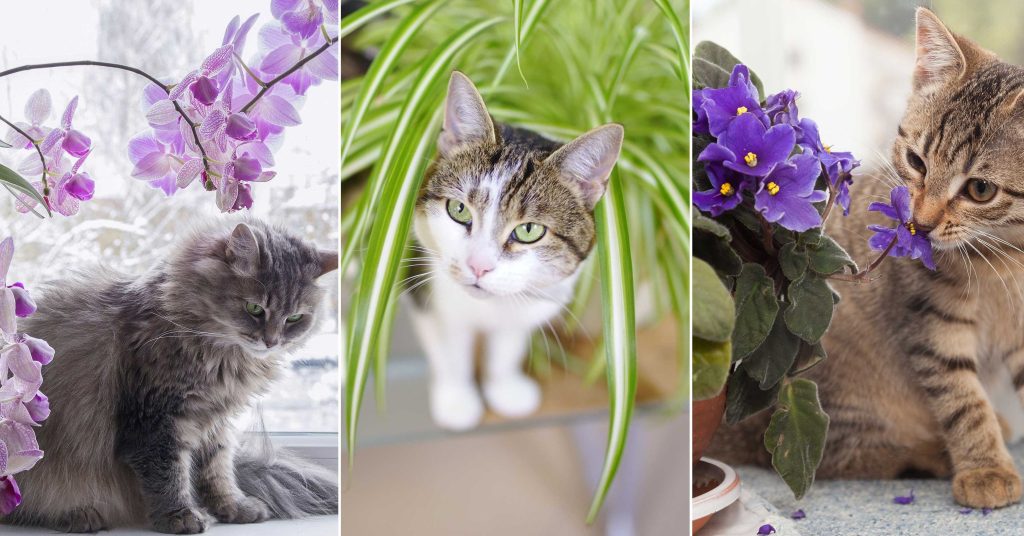
- Pet-safe? Yes—non-toxic to cats and dogs. (Though cats sometimes play with the leaves, so consider hanging it up.)
- Care: Water when the top inch of soil feels dry. Thrives in bright, indirect light but survives in low light too.
2. Boston Fern (Nephrolepis exaltata)
- Why it’s great: Lush, pretty fronds; recovers fast if you forget to water.
- Pet-safe? Yes—non-toxic for cats, dogs, and rabbits.
- Care: Likes humidity. Mist with water every few days, or put in a bathroom with a window. Water when soil feels dry on top.
3. Parlor Palm (Chamaedorea elegans)
- Why it’s great: Forgiving, slow-growing, doesn’t need much attention.
- Pet-safe? Yes—safe for cats and dogs.
- Care: Low to medium light is fine. Water when the top inch of soil dries out.
4. Friendship Plant (Pilea involucrata)
- Why it’s great: Compact, cute, and very easy to grow.
- Pet-safe? Yes.
- Care: Likes indirect light, not direct sun. Water when soil is dry an inch down.
5. Baby Rubber Plant (Peperomia obtusifolia)
- Why it’s great: Thick, pretty leaves; doesn’t mind if you forget to water sometimes.
- Pet-safe? Yes.
- Care: Bright, indirect light preferred. Let the soil dry a bit before watering.
Quick Bonus List (Safe for Pets, Easy for Beginners):
- Areca Palm (Dypsis lutescens)
- Calathea (all varieties)
- Hoya (Wax Plant)
- Ponytail Palm (Beaucarnea recurvata)
Simple Care Tips for Success
- Light: Most of these plants prefer bright, indirect light (not direct sun, which can scorch leaves). If you can read comfortably in a spot during the day, it’s probably perfect.
- Water: The classic beginner mistake is overwatering. Stick your finger in the soil—if it’s dry an inch down, it’s time to water. If not, wait a few days.
- Humidity: For ferns and calatheas, mist now and then or put them in a bathroom.
- Keep Away from Bored Pets: If your cat or dog loves to chew, move plants up high, hang them, or place them where paws (and mouths) can’t reach.
For more detailed watering tips, check out this guide from the ASPCA.
Encouragement for New Plant Parents
It’s normal for a few leaves to brown or fall off—don’t panic! Plants adjust to new spaces just like we do. If your pet nibbles a leaf, these plants are safe; just trim the chewed bit and move the plant higher.
Tip: Set a weekly phone reminder to check your plants. Touch the soil, give them water if needed, and you’re done.
Remember: Most plant troubles come from the wrong plant in the wrong spot, not your lack of skills. Start with one or two from this list and you’ll see—success is much easier than you think.
Your Quick-Start Plan
- Pick 1–2 plants from the list above.
- Place them near a window (but not right in direct sun).
- Water only when the top inch of soil is dry—poke your finger in to check.
- Hang or move plants if pets get too curious.
- Relax! If something goes wrong, just try again—these plants are forgiving.
You’ve got this! Watching a new leaf unfurl or a plant bounce back after some neglect is seriously rewarding—and your pets can safely share your indoor jungle. Start simple, enjoy the process, and add more plants as you grow in confidence. Everyone (two- or four-legged) will benefit from the extra greenery!