You ever notice how something as simple as a plant—especially the so-called “money plant tree”—can stir up feelings of hope, confusion, and even a bit of superstition? I totally get it. Back when I bought my first “money plant,” I was secretly hoping it would magically solve both my brown-thumb reputation and, well, maybe tempt fate to improve my finances.
Spoiler: The plant didn’t shower me with cash, but it did teach me a few things about trust, habits, and why these little green companions actually help us feel better at home.
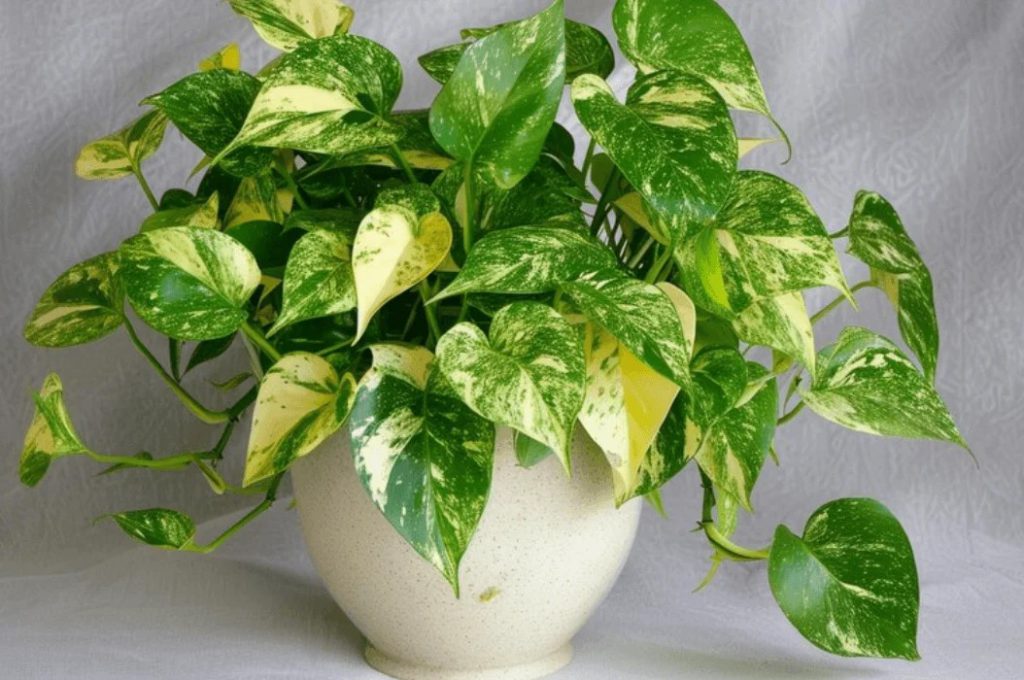
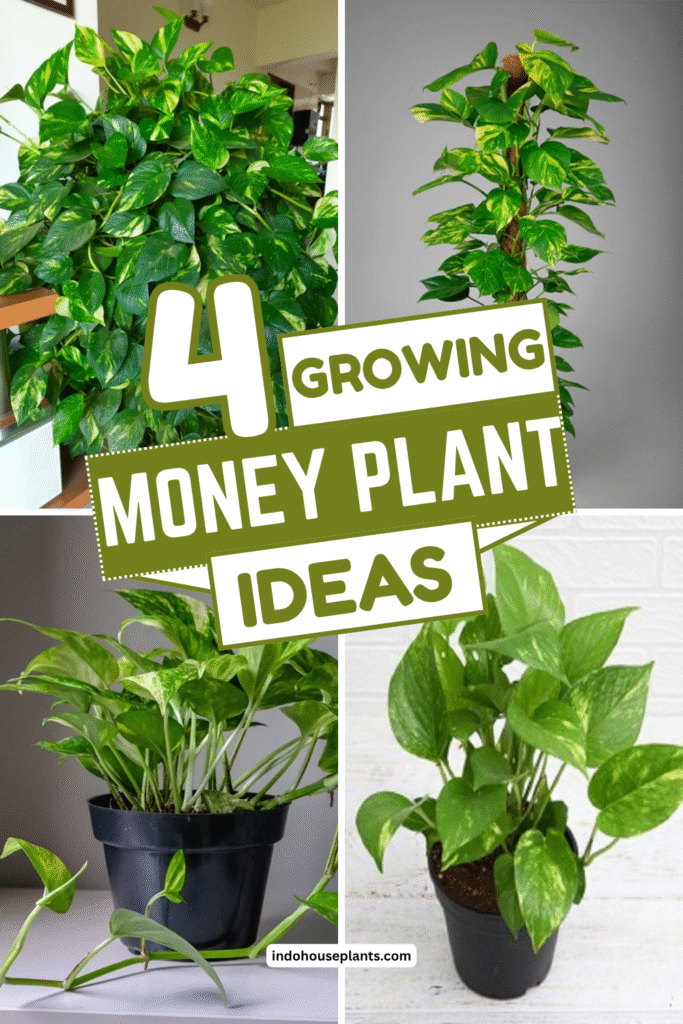
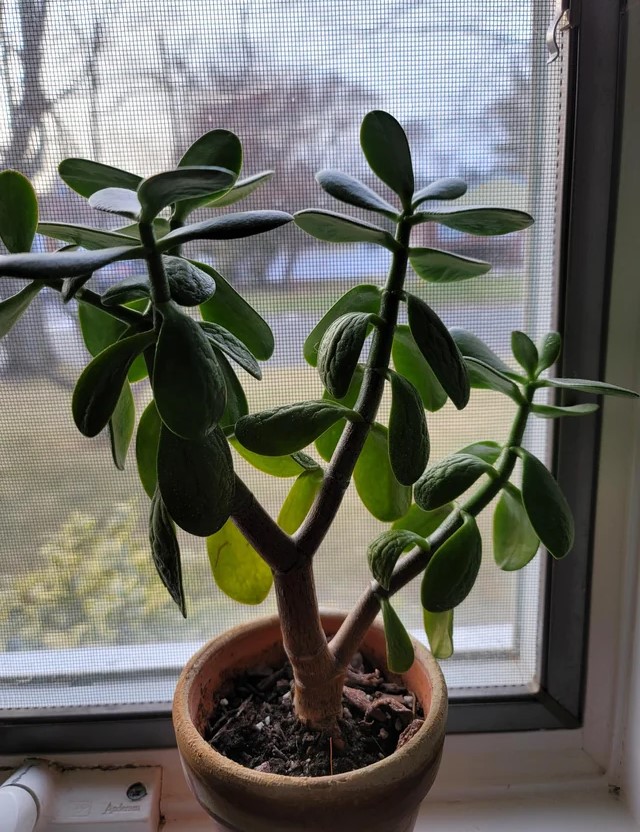
Let’s clear the air first about this mysterious “money plant tree.” Between you and me, there’s no official universal “money plant”—it’s like ‘comfort food’ or ‘life hack,’ depending on who you ask or where you grew up. My neighbor swears her pothos is the luck-bringing one (that trailing vine with heart-shaped leaves), while my aunt only believes in Jade plants (chubby succulents that look like tiny trees).
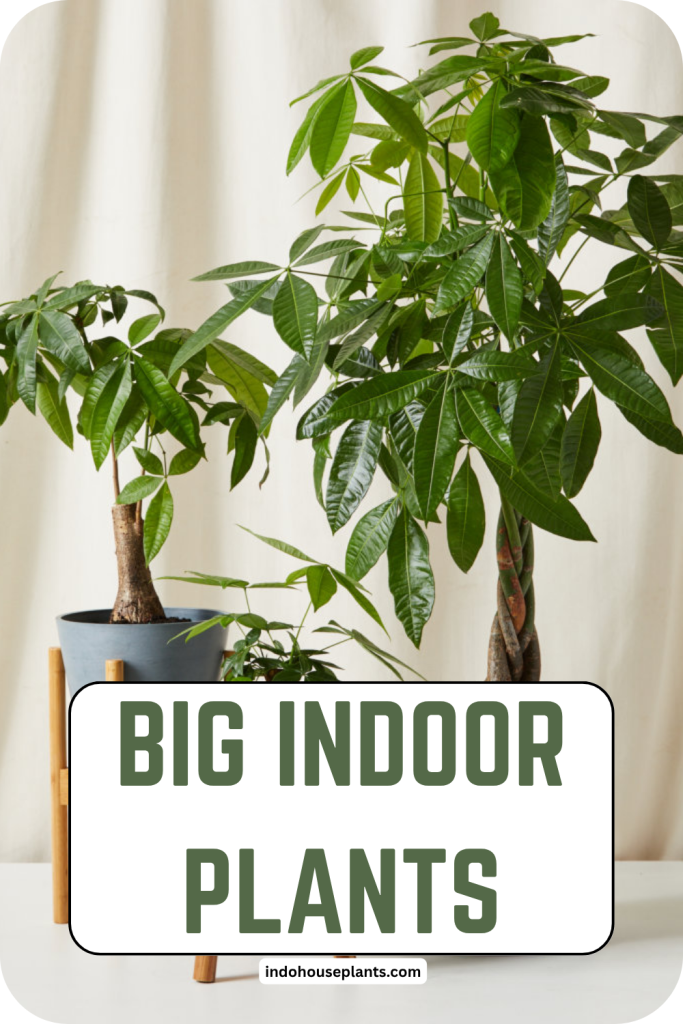
And let’s not forget the famous Money Tree (Pachira aquatica) with the braided trunk—they all get lumped together under this lucky label.
Why Does This Confusion Happen? A Psychological Angle
Here’s what most people don’t realize: Plant nicknames often stick around because we genuinely want them to mean something personal—prosperity, happiness, resilience. When you bring a money plant into your space, it’s often about more than just greenery; it’s hope disguised as foliage.
So if you feel a bit silly asking what your “money plant” really is… don’t! Our brains crave symbols for change and progress—having that little pot by your window gives your intentions somewhere visible to land.
Real Life Lessons: Habits Over Perfection
Way back in 2019, I tried to create the ultimate care chart for my plants—including watering schedules measured down to hours. Know what happened? Yup—overwatering fiasco. Turns out that plants (and humans) thrive on gentle observation over strict routines.
Habit experts say we stick to changes longer when there’s some flexibility baked in and rewards aren’t instant but cumulative—a lesson my pothos taught me by not dying during my experimental phase.
Let’s Get Practical: How I Learned What Actually Works
I once rescued a battered jade from a coworker during an office move—it looked downright sad with wrinkled leaves and compacted soil. Honestly, I thought it was beyond saving…but after plopping it in some fresh cactus soil and putting it on my east-facing windowsill, magic started happening after three weeks of sheer neglect (missed two waterings).
That slow comeback showed me: half the battle is not fussing too much.
Psychologically speaking, watching these living things respond positively to our care reinforces our confidence—not just as gardeners but as problem-solvers in general. Every new leaf felt like confirmation that incremental effort works (even when results are invisible at first).
What Most Guides Don’t Tell You: Sensory Check-In Beats Fancy Tools
Everybody says “water when the top inch is dry”—that sounds scientific until you’re standing there poking soil unsure how dry is “dry enough.” Here’s a trick: roll a bit of soil between your fingers; if it feels cool or sticks together at all, wait another day.
Jade especially hates wet feet—I learned that one winter after forgetting mine outdoors in soggy dirt… Oops! Remember how cold potato salad feels at a picnic? That means too wet for jade.
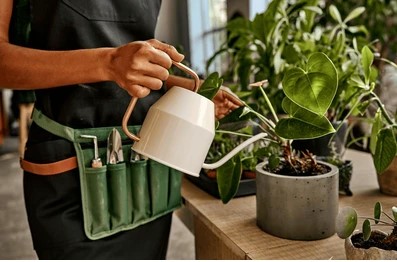
With pothos and money trees inside, touch has never failed me—the sensory check-in builds real presence; call it mindfulness lite if you want!
Unconventional Wisdom: Embrace Small Experiments
One thing I’ve noticed hanging out with fellow plant nerds is hardly anyone gets it perfect from day one—even folks who post those Instagram-worthy jungles had their share of wilted drama queens. The best trick is to tweak one thing at a time (“okay let’s try moving this jade away from direct sun just for next week”) rather than overhaul everything wildly.
A friend once used Google Lens right there at our local garden shop—it ID’d her supposed “lucky bamboo” as Dracaena without breaking a sweat. Sometimes tech really does solve mysteries faster than guessing! If you’re unsure what you have, a quick check with a plant ID app can clear things up.
Mini Cost Breakdown & Time Reality Check
People think these plants need special soils or fancy fertilizers—that’s optional. For context:
- A healthy starter jade or pothos cutting can cost less than $10.
- Standard succulent/cactus mix runs $5–7 per bag (lasts for ages).
- All told: under $20 for months of good vibes—and potentially years if you’re stubborn/not easily guilt-tripped into giving up on leafless twigs (like yours truly).
Care-wise? Once-a-week light watering/check-in will honestly suffice—and even less if your home tends toward cozy/dry winters.
Ending with Some Heartfelt Reassurance
Here’s the funny part—the biggest growth really isn’t about how tall your money tree gets but how having something quietly alive nearby recalibrates your daily rituals. You notice subtle changes—new leaf buds signal progress not visible yesterday—that gentle boost trains your brain towards patience and observation instead of instant gratification.
So whether yours is climbing up the curtains or growing its own chubby trunk by your laptop… take pride in the fact that you’re building real skills here! It doesn’t matter whether three neighbors call theirs something different; what matters is your experience watching those small victories add up.
Give yourself permission to experiment (and fail forward); every new shoot should be celebrated more than any instruction manual could prepare you for. Between you and me? That sense of agency—knowing you kept something alive—is worth more than luck charms any day.
Want practical homework? Pick one small habit—maybe Sunday morning light checks before coffee—and start seeing which tweaks make your money plant happiest over time.
And hey… send me pics if suddenly yours sprouts wild new leaves—I love cheering on other accidental green thumbs!