You wouldn’t believe how many times I’ve stood in the middle of a plant shop, gripped by that silent voice: What if you kill it? What if you’re just No-Green-Thumbed Nancy forever?
Trust me, that’s where everyone starts.
When I bought my first pothos—a scraggly thing on clearance for $3.99—it was less about interior design and more about proving to myself that I could keep something (anything!) alive.
Funny thing is, typical houseplants are popular for a reason that goes way beyond aesthetics. They’re more than “easy.” They’re built to survive—even thrive—in the unpredictable hands of beginners.
Over time, I realized the psychological boost isn’t about botanical mastery; it’s about small wins stacking up. That new leaf? Proof positive you did something right—and your brain eats that feeling up.
Let’s get into why that matters.
Why “Starter” Houseplants Soothe Perfectionist Panic
Plants like pothos and snake plants are basically training partners for re-training your self-expectations. Most new growers fall into the same mental trap: What if I mess up?
Here’s what most people don’t know—the world of common houseplants is filled with resilient species precisely because their evolution prepared them for neglect. These plants practically reward imperfection.
From my experience, picking forgiving foliage takes all the unnecessary pressure out of starting—a low-stakes environment lets your confidence simmer before you ever read a single plant book or debate between terra cotta vs. plastic pots (more on that later).
There’s something quietly empowering about giving yourself permission not to be perfect—and seeing green proof things will turn out okay.
Meet Your Plant Allies—And Their Unexpected Psychological Benefits
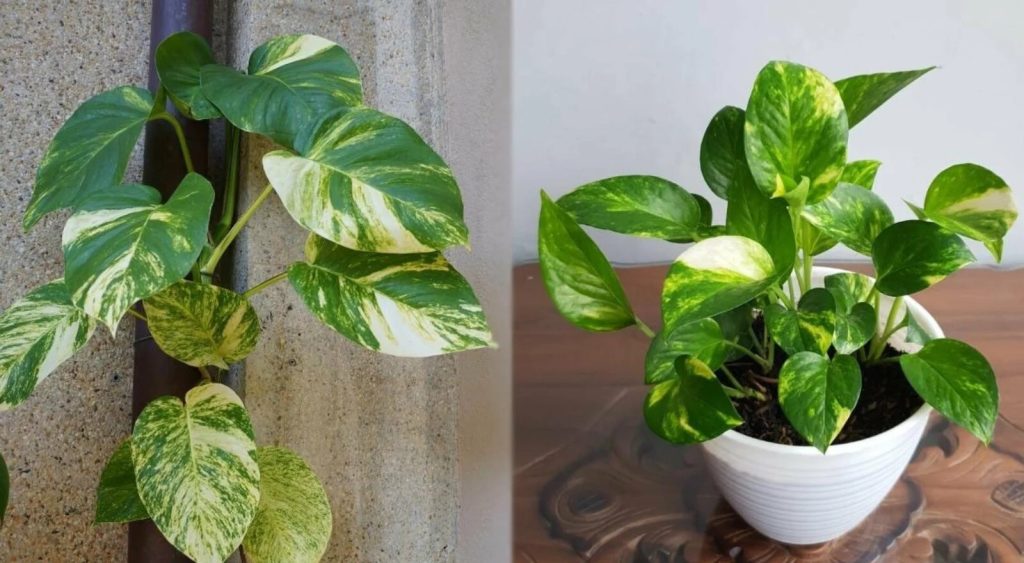
1. Pothos (Epipremnum aureum)
I call this one The Optimist because it will forgive just about anything except total drought or total saturation. My first pothos grew so wildly over my bookshelf, guests thought it was fake at first…and honestly, there were weeks I outright forgot it was there.
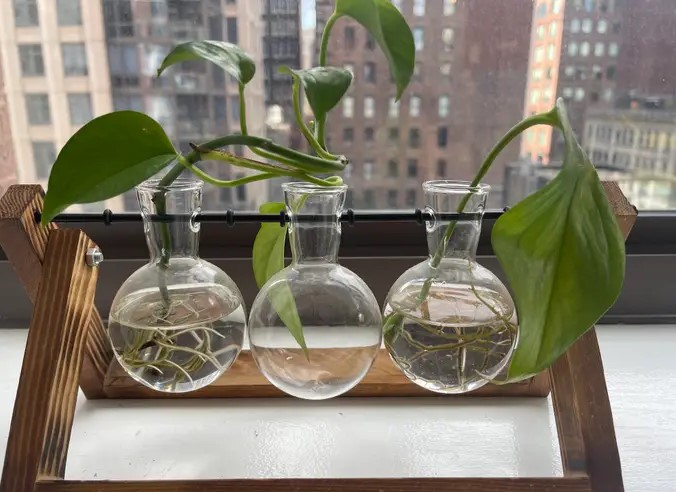
Psych tip: Each new tendril sends a subtle proof-to-self: “I’m getting better.” Make a game out of rooting cuttings in an old pasta jar—watching roots form underwater turns abstract progress into something visible.
Here’s what most people don’t realize: Pothos bounces back from hardship because its genetics hail from tropical rainforests where light and water are erratic—not unlike an apartment with dim windows!
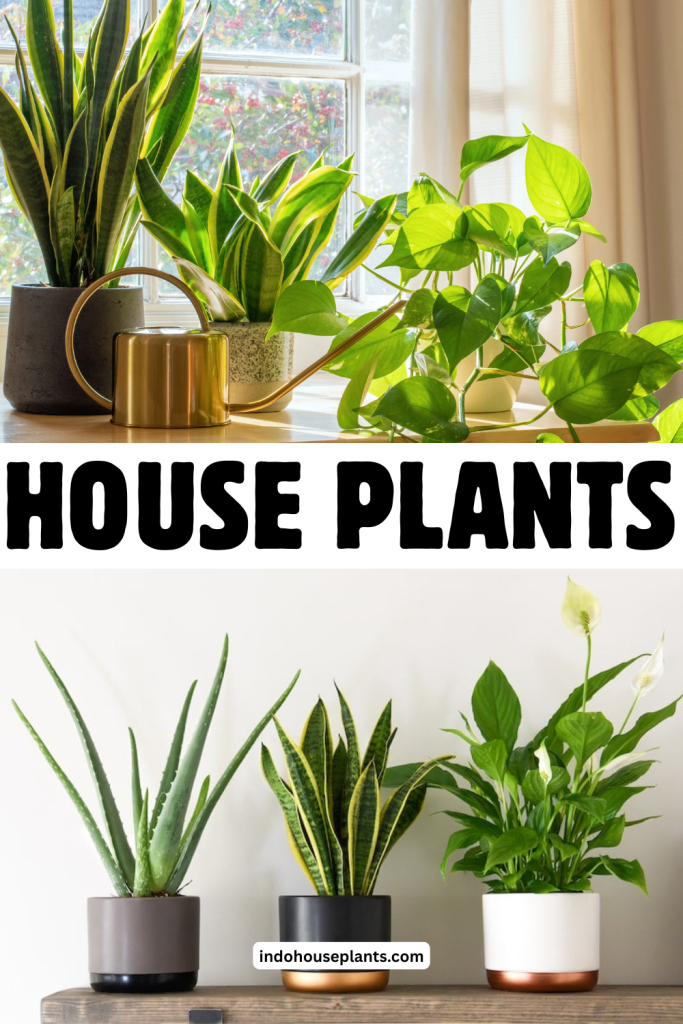
2. Snake Plant (Sansevieria)
The only plant I’ve ever returned home to after vacation—weeks gone—with zero change…except plumper leaves! Its air-tight leaves aren’t coincidence; they evolved to survive neglected corners and drafty indoors.
A common mistake I see: Overwatering these stubborn survivors out of “too much love.” Whenever anyone asks why their snake plant looks mushy, 90% of the time they’ve treated it like basil (a recipe for root rot). Water less than you think; your restraint will pay off here.
Personal quirk: Sometimes I use mine as a room divider—I swear walking past those sculptural leaves gives me an instant little organizational kick.
3. Spider Plant (Chlorophytum comosum)
If you prize visual feedback, look no further—spider plants put out babies (‘plantlets’) as soon as they sense happiness. My niece once named every single one (“Sally Jr., Sally III…”) after we potted forty-two (!) from just two parent plants.
Here’s what worked for me: Hanging one near my kitchen window so watering became a weekly ritual tethered to Sunday coffee brewing—wrapping care into another enjoyable routine is half the trick.
Not-so-obvious insight: This plant thrives when slightly neglected but does need brightish light; too dim and those offshoots slow down.
4. Peace Lily (Spathiphyllum)
This one is neurotically honest. If leaves droop, skip Googling symptoms—it needs water right now. From my experience, relying on peace lily body language meant less chart-checking and more instinct-building: sort of like learning when bread dough has risen enough by feel instead of timer.
And yes—the rumors are true: its white blooms do add calm elegance to any space with hospital-like air-cleansing benefits as backup bragging rights!
Real People, Real Mishaps—No Shame Here
Back in 2019, after months traveling for work, my apartment looked like something out of an abandoned movie set…except for two snake plants sitting chipper in opposite corners. That moment taught me that resilience trumps complex care instructions every time—and also gave me permission to laugh off my shriveled parsley attempt instead of hanging onto failure shame.
Riya taught herself to spot peace lily thirst signals after thinking she’d “broken” the plant four times in five weeks; now she tells friends she can “read” greenery like street signs—a genuine confidence shift thanks to her formerly-droopy roommate!
Most people don’t know this secret psychological pattern: Every successfully revived wilt builds what psychologists call self-efficacy—the belief in your ability to tackle new challenges elsewhere in life too.
Troubleshooting Through a New Lens
If your anxiety spikes when leaves yellow or tips crisp up (we all go there), reframe it:
- Overwatering isn’t failure—it’s feedback. Think: “My instinct was enthusiastic! Next round: dial it back.”
- Light issues? Move the pot! Experimentation is actually proper care—not indecisiveness.
- No fertilizer yet? Nobody gets every detail perfect at first. You wouldn’t expect yourself to run a marathon pre-training.
Keep notes if details stress you out—I use Google Keep reminders with silly captions (“Time for Drinky-Drink?”). The best lesson houseplants have taught me is gentle self-correction rather than frustration when things go sideways—which they occasionally do even years later!
Gearing Up Without Going Overboard
Start with:
- One nursery pot with drainage ($3–7)
- A bag of indoor potting mix ($5–10)
- A saucer or old dinner plate
- Basic watering can or repurposed mug
That’s literally all I had—and still all I buy unless repotting calls at year two or three!
Plant purchases should never feel financially fraught; try cuttings swaps on local boards or grocery store markdown racks—the lower pressure means less guilt if things flop at first attempt (we all have skeletons in our soil closet).
Final Thought – Plants Are Partners In Patience
Many folks think owning houseplants is about beautifying space—but truthfully? They teach us far more valuable skills: resilience through tiny acts of return (“Oh hey, another new shoot!”), emotional flexibility (“Dropped more soil again—I’ll just sweep…”), mindfulness (“Dry soil feels sandy today”).
Every forgiven watering slip-up becomes fuel for future nurturing—not just toward plants but yourself too.
Take the leap; let whichever scrappy starter catches your eye root beside you—and give yourself credit not just when leaves unfurl but every single morning you check-in and care—even imperfectly. That’s real growth no book can teach but living alongside these indestructible classics surely will!