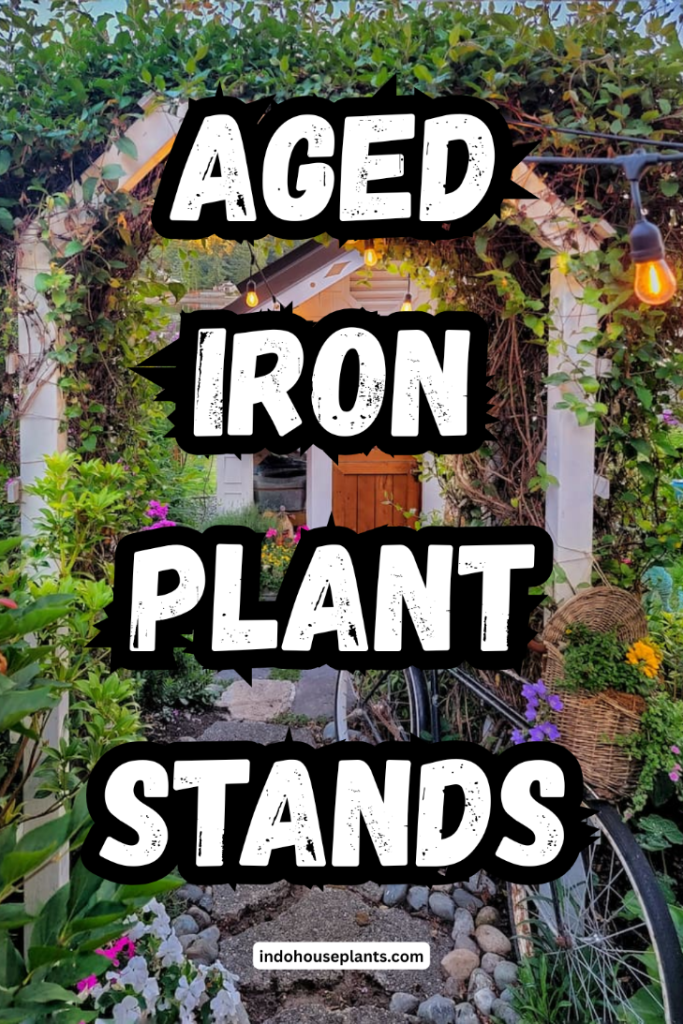
There’s something quietly magical about aged iron plant stands. They carry a story etched by time, weather, and nature, transforming a simple metal frame into a piece that feels lived-in and loved. Over the years, I’ve found that these stands do more than just hold plants—they hold character, history, and a rustic charm that’s impossible to replicate with brand-new pieces.
Here’s what most people don’t realize: the aging process of iron isn’t just about rust. It’s a slow dialogue between the metal and its surroundings—the air, moisture, even sunlight. When you see that subtle, textured patina—the mix of deep browns, rusty oranges, and slight greenish undertones—that’s iron telling its own weathered story.
I remember my first outdoor iron stand left near a garden fountain, which after a few rainy weeks, started to develop beautifully unpredictable rust patterns that made every nook and crevice unique. It felt like I’d stumbled upon a secret gardener’s relic.
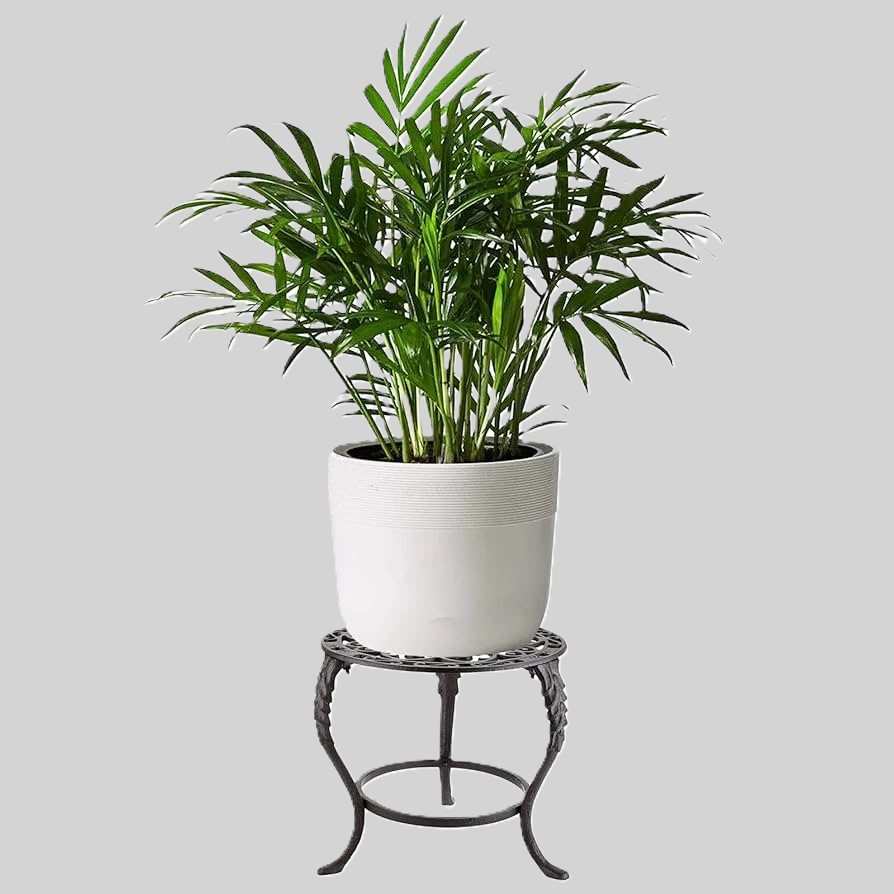
How I Find and Create My Favorite Aged Iron Plant Stands
1. Scour Vintage Shops with Patience (and a Sharp Eye)
There’s nothing like the thrill of digging through vintage fairs, flea markets, or Etsy shelves to uncover a genuine aged iron plant stand. I once found a wrought iron stand at a tiny weekend market that had paint chipping off and a leathery rust surface. That piece had character that no factory finish could imitate.
The best part? Each dent, rust spot, and faded paint stroke is a natural signature of its history. If you look carefully, keywords like “reclaimed wrought iron” or “vintage garden stand” can lead you to authentic pieces that come with stories baked into their patinas.
2. The New with a Faux-Aged Finish: Instant Vintage Vibes
When time is tight or you want a stand that’s sturdy with a guaranteed finish, modern home décor brands have nailed the faux-aged look. Stores like Terrain and HomeGoods offer stands that are pre-treated to mimic rust intricacies—yet sealed to resist further deterioration.
I’ve gifted a faux-aged stand to a friend who wanted that aged charm, but with a worry-free coating she could keep indoors. For me, it’s about balancing appearance with practicality—sometimes factory aging just makes sense.
3. DIY Aging: Turning New Iron into an Heirloom
Here’s where the fun really begins. Making your own aged iron plant stand is half chemistry experiment, half art project. One spring, I took a simple black iron plant stand, set it by the koi pond, and misted it daily. After about two months, it morphed from stark black metal into a warm, patchy rusty hue that felt authentically weather-beaten.
For faster results, I’ve also used a homemade rust accelerator made from hydrogen peroxide, vinegar, and salt. Applying it carefully, repeat after repeat, the iron reacts quickly—turning rusty in days rather than months. The trick is to seal it afterward with a matte clear coat to keep the rust from flaking off.
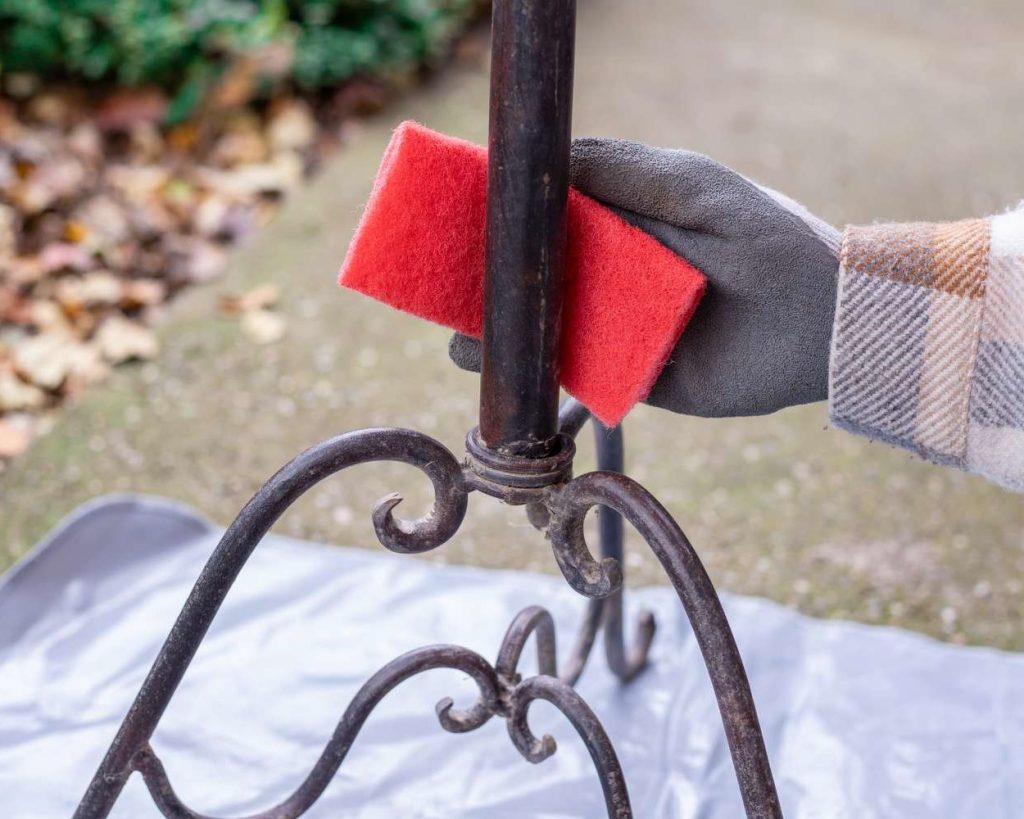
If painting is your jam, layering a dark base coat with sponged-on rusty reds and oranges can create a convincing patina indoors without the mess or risk of flaking rust.
Real Tales That Make These Stands Special
On one occasion, a friend told me how her black iron stand, left outside on a covered porch for a season, developed intricate rust stains—like natural artwork—that perfectly offset her vibrant ferns. It became the centerpiece of her patio.
Another time, a gardening newbie tried the peroxide-vinegar “rust bath” in her garage. After about two weeks, she ended up with a stand so authentically aged her housemates thought she’d bought it vintage.
What I’ve Learned Battling Common Aging Stand Worries
People often fret about rust damaging their stands, but here’s what I’ve seen: light surface oxidation is actually protective and adds to the stand’s character, as long as you avoid persistent puddles or snow buildup.
Sealing is key—the clear matte coat acts like armor, preventing the rust from eating away at the iron while preserving that coveted rustic look.
Why I Believe Aged Iron Plant Stands Are Worth It
There’s a soul to aged iron stands that new, polished metal just can’t capture. It’s that rough-hewn, lived-in feel that adds warmth and a subtle story to your plants’ display.
Your Next Move to Score or Make That Perfect Stand
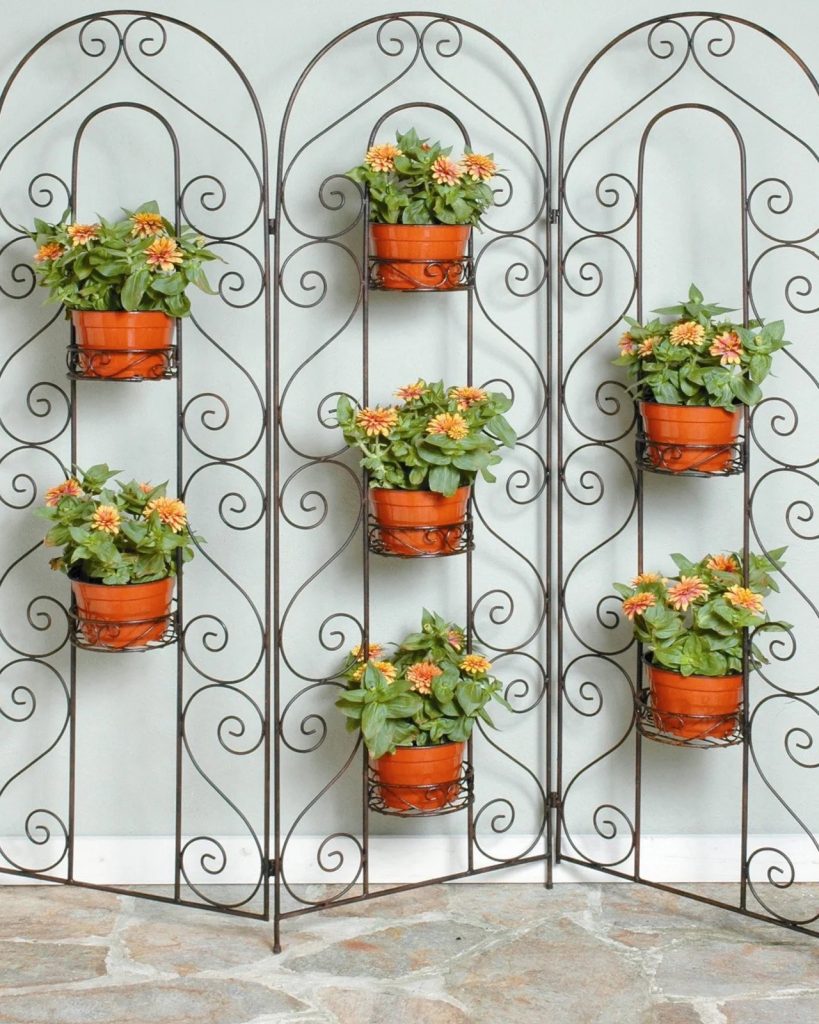
- Decide your vibe: authentic vintage, instant factory-aged charm, or hands-on DIY.
- Set a budget—vintage pieces range from $50 to $150.
- Gather supplies if DIY—sandpaper, hydrogen peroxide, vinegar, salt, and matte sealant.
- Seal your work to lock in that patina.
- Showcase your stand with pride.
At the end of the day, what matters is that your iron plant stand tells its own story—whether that story is decades old, freshly aged by your own hands, or simply looks the part.