Getting a houseplant when you’re not “a plant person” is like adopting a goldfish after a string of childhood pet disasters—it feels risky. I totally get it. I spent my first year in my old apartment giving pep talks to shriveled basil and, eventually, just avoiding that part of the windowsill altogether because the guilt was real.
But here’s what most people don’t know: the secret reason snake plants and their tough cousins are famous for being easy isn’t really about hardiness. It’s about psychology. Success with these plants gives your brain a hit of “Hey, maybe this isn’t so impossible”—it builds a feedback loop of confidence rather than dread. That’s what makes the whole experience so different from those fussy ferns or moody orchids.
Why Some Plants Just Feel Easier (And Why It Matters for Your Brain)
Between you and me, our brains love instant validation—especially when we’re trying something new and feeling out of our depth. Snake plants, ZZs, pothos… they all have incredibly low “failure risk.” That’s half the battle!
When you see those glossy leaves standing strong, your inner critic chills out for a second—and suddenly nurturing one leafy buddy doesn’t feel overwhelming, it feels doable. That shift is powerful.
A Trick Nobody Tells You:
Set your plant somewhere you’ll see it every day as part of an existing routine (like on top of the coffee maker or next to your keys). The more it gets woven into your daily patterns—not off in plant exile—the less likely you are to forget it completely or overcompensate with too-frequent watering.
This isn’t just logical; behavioral science backs it up. Visibility = habit-building without extra mental energy.
Some Real World Plant Wins (and Fails—I Promise)
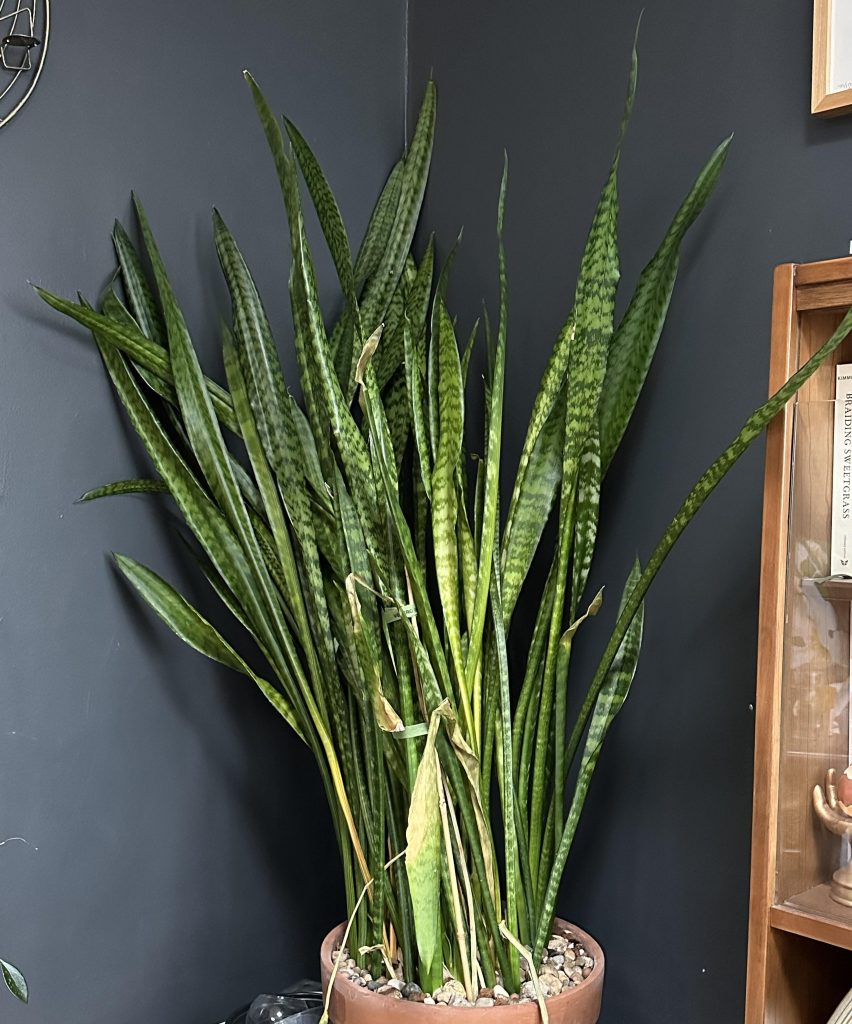
Here’s some honesty: I murdered my first pothos by drowning it—too much love, not enough patience. But later (back in 2019), my roommate plopped a snake plant onto our cluttered sideboard with zero ceremony and said, “If this one dies, we’re cursed.” She watered it once after moving in… then forgot it existed for nearly a month while we both got sucked into work deadlines and Netflix marathons.
I swear, not only did that snake plant survive—it looked better at month two than week one. Which totally reprogrammed how I approached care: easier plants mean your mind calms down about getting everything “right,” which makes actually keeping them alive so much simpler.
One trick that made me feel legit confident? Using the “poke-test” before watering: just stick your finger down into the soil up to your first knuckle. If you ever fret whether to water again—this checks your urge long enough for logic to catch up with anxiety.
Another thing most advice skips: don’t start with mismatched pots or recycled takeout containers unless they’ve got real drainage holes at the bottom (been there… soggy deathtrap city). Plants want roots that can breathe! My favorite pot cost $6 at a thrift store—nothing fancy needed.
Counterintuitive Truth:
Caring less can actually make you more successful at first—these starter plants evolved in unpredictable wild conditions; neglect is familiar territory!
Psychology Side-Note:
Those little wins (like spotting fresh leaves or noticing perky stems after missing a week) set off bigger behavior changes over time. Soon, you’re associating greenery with capability rather than embarrassment—which is literally rewiring how you think about self-care and routines at home.
If You Feel Overwhelmed: Here’s A Super Low-Stress Approach
Try starting with just one plant within arm’s reach of wherever you spend most downtime (for me, that was always next to the couch—easier to remember during Netflix pauses!).
Buy pre-potted if possible; skip any plant food until year two; keep caretaking simple by adding “plant check” once weekly to your calendar app like any other recurring task (“Water Jamie!” was mine).
And please celebrate those easy milestones—a shiny new leaf really does mean something’s working! Don’t compare yourself to people living in indoor jungles yet; everyone starts where they are.
Bottom Line From Someone Who Details Both Successes and Mess-Ups:
Don’t let fear keep your space less lively than it could be—you truly can do this, especially if you choose forgiving starter plants like snake plant or pothos.
The best part? They don’t hold grudges if life gets busy or if experiments don’t pan out perfectly on round one (or three).
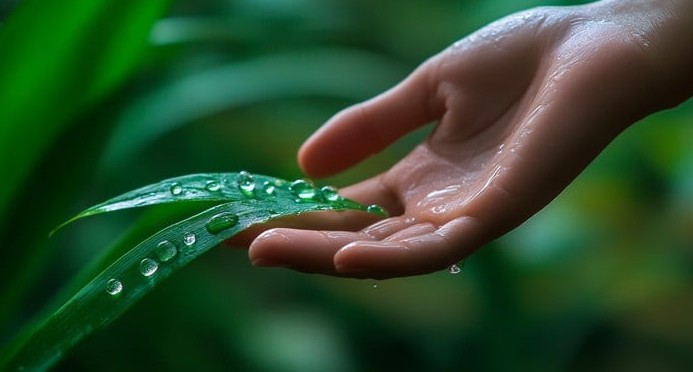
Honestly—half my lushest indoor corners started from chasing that small success boost, finding out neglect sometimes equals love…and learning not all plants come attached with stress.
Pop by that local nursery this weekend—or even try grabbing something from the grocery store shelf; look for sturdy leaves and soil that isn’t soaked—and let yourself enjoy growing skills along with green leaves. You’ll laugh back at any past mishaps soon enough—that’s how every green thumb actually starts!