If you’ve ever envied the lush, jungly vibes in someone else’s living room and thought, “There’s no way I could keep those alive,” you’re speaking my language. My own tropical plant obsession started in a cramped apartment with one sad, overwatered pothos clinging to life above the radiator—a total rookie setup. Fast forward eight years and dozens of leafy companions later, I can tell you there are real tricks seasoned collectors use to help any beginner succeed (even if your thumb is just slightly oatmeal-colored).
Here’s what most people don’t know: tropical houseplants aren’t nearly as fussy as their reputation suggests, but a few clever tweaks—straight from veteran plant nerds—make all the difference.
Choose Wisely: Secret Weapons for Beginners
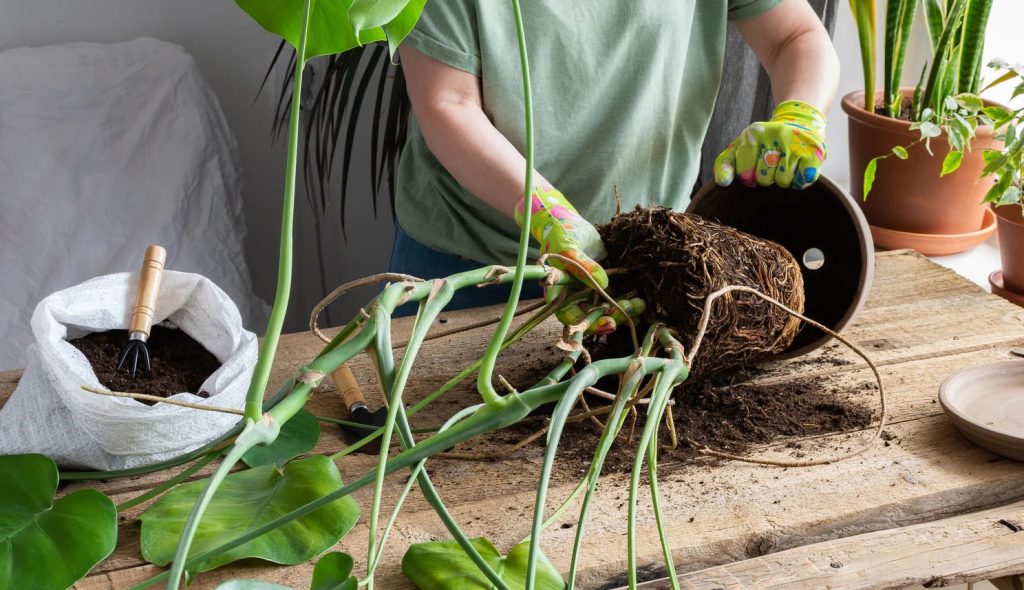
I’ve tried (and accidentally murdered) more trendy plants than I care to admit. The trick is not just picking “easy” varieties, but individual plants that show healthy roots and perky leaves right at the nursery. Insider tip? Gently slip a plant out of its nursery pot at the store (yes, it’s allowed!) and check for white, firm roots and no soggy smell—this saved me from heartbreak more times than I can count.
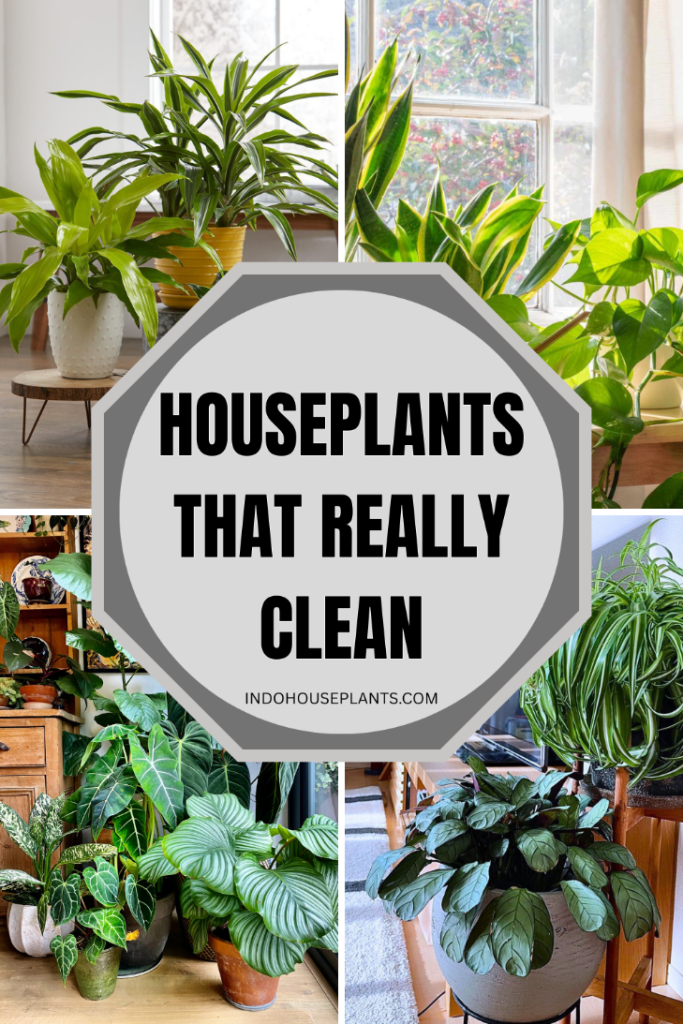
Here are my top starter picks—these have survived week-long vacations, power outages, and even one mischievous cat:
- Monstera deliciosa — If you gently mist its aerial roots once a week in addition to watering the soil, it grows those iconic splits much faster.
- Heartleaf Philodendron — Let them trail down bookshelves or guide upward with a cheap moss pole from the hardware store for dramatic growth.
- Pothos — I’ve seen these thrive under fluorescent lights in offices. Snip back long vines every couple of months—they root like magic directly in tap water.
- Peace Lily — For new owners: they make excellent drama queens when thirsty—they wilt like they’re dying but spring back spectacularly with a good soak.
- Dracaena fragrans — Learned this one from a florist pal: wipe leaves gently with a damp cloth monthly; dust blocks their ability to “breathe” and grow strong.
Most folks rush to fill every windowsill at once—I learned it pays off to start slow, get to know how each species reacts in your home’s unique microclimate, then scale up confidently!
Insider Moves for Setting Up Their Tropical Haven
Here’s the exciting part: you DON’T need fancy grow lights or special greenhouses! Most people don’t realize that small changes go further than expensive gadgets.
- Light:
Forget fancy light meters—for years, I just used the “shadow test”: hold your hand flat above where you want your plant around 10am; if you see a fuzzy shadow rather than crisp lines, that spot is gold. - Temperature:
Plants hate sudden changes—I keep mine away from exterior doors that get chilly drafts after tracking this on an old-fashioned thermometer during winter 2019 when several sulked overnight. - Humidity Hack:
The absolute best fix (learned after too many crispy-edged leaves): run an ultrasonic humidifier near your cluster of plants during heating season; aim for 40-60% on a humidity gauge (around $15 online). If you want low-fi? Dryer sheets tucked under trays wick extra moisture upwards—it looks weird but works!
Water Like an Old Pro
I’ll be honest: I used to kill nearly everything by loving it too much (read: overwatering). My breakthrough was using cheap bamboo chopsticks as soil testers—poke one two inches deep into the dirt; if it comes out clean/dry vs. muddy/sticky tells me exactly when it needs water.
- Pour slowly until water escapes drainage holes—you might hear or smell wet soil popping and earthy scents!
- Never let pots stand in pooled water—roots need air as much as moisture.
- In winter? Cut watering by half (plants go semi-dormant).
- Room temp water only—I fill my watering can and let it sit overnight so chlorine dissipates and it’s not frigid.
Here’s what most people don’t know: missing a watering day now and then actually strengthens roots. It’s far less traumatic than keeping soil constantly soggy.
Feeding: Less Is More Than Enough
Years ago I splurged on specialty fertilizers…then didn’t feed my big Monstera for six months by accident while traveling abroad—and guess what? It not only survived but threw out two perfect new leaves when fed again sparingly on return!
My rule now: dilute fertilizer more than bottle instructions say (half strength) and apply only March through August once every six weeks unless growth slows way down or leaves yellow.
Real-Life Oops—and Fixes
The great news is setbacks aren’t failures—they’re feedback! Like the time my rubber tree dropped five leaves after I moved it near an A/C vent; turns out tropicals interpret cold breezes as survival threats! A quick move away brought new growth within three weeks.
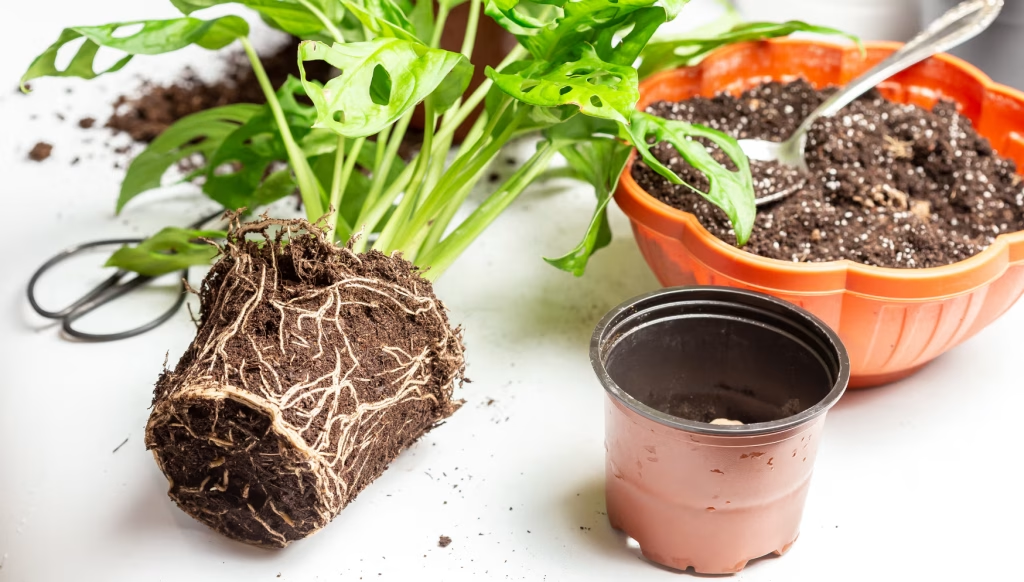
Another lesson from last summer: if yours droop persistently even after watering and brightening their spot, check for crowded roots—plants double their size shockingly fast in warm months! Repotting into slightly larger containers often triggers dramatic comebacks (and feels strangely satisfying).
Once you see crispy brown tips? That’s almost always dry air or fertilizer burn. A spritz of filtered tap water morning and night does wonders; avoid distilled-only though—it lacks minerals some tropicals crave.
The Encouragement Nobody Tells You
Here’s where experience shines through: Even gardeners with plant-packed Instagram feeds lose leaves sometimes—perfection doesn’t exist! Celebrate those first strange-shaped baby leaves even if they take weeks longer than expected. Take weekly photos—it stuns me every time how subtle progress adds up!
And please laugh at yourself—a friend texted panicked photos after her monstera developed aerial roots (“is this fungus?”); honestly sharing mistakes becomes half the fun of houseplant collecting.
You’ve got this—even if some days feel overwhelming! Your curiosity is already half the battle won.
Ready-To-Try Action Steps
- Pick one easy-care plant based on local shop recommendations—just ask staff which ones bounce back best if ignored!
- Set up in indirect natural light where shadows look gentle—you can always nudge closer later if growth stalls.
- Use finger/chopstick/similar tool before each watering session until checking becomes second nature.
- Bunch two or three plants together for mini jungle humidity—or balance them atop pebbled trays if space is tight.
- Track leaf progress photos right from day one—the transformation keeps things rewarding.
If nerves pop up at checkout or home set-up stage? Remember every green thumb starts beige—you’ll gain confidence leaf by leaf (and hey, call up another hobbyist for advice—they love sharing secrets!).
Trust yourself—and enjoy making your space feel alive with all kinds of texture and jungle drama along the way!