No one really tells you how humbling tropical houseplants can be until you’ve actually tried to keep them alive. Between you and me, it’s not as glossy as Instagram makes it look—at least, not all the time.
I totally get it if you’re freaked out; my first Monstera drooped so dramatically after a cold draft that I genuinely apologized to it (yes, out loud). But hey, welcoming those big-leafed beauties into your life doesn’t have to end in a cemetery of brown stems.
Let’s talk through the stuff everyone secretly messes up… but tries to hide with clever camera angles.
1. “Tropical” Means More Than Just Warm
The rookie mistake: People think tropical means “likes sun and heat.” Nope—tropicals are drama queens about drafty air but divas about direct sun too. First winter, I shoved my pothos on a windowsill for max light… only for its tips to crisp up like potato chips thanks to the sneaky nighttime chills.
Here’s what most people don’t know: Temperature swings matter more than fancy fertilizers or even misting routines. Do yourself (and your plants) a favor: pull them back from any window when nights dip below 65°F—even if your weather app says it’s just “a little chilly.”
Avoid spots near air conditioners or radiators; I learned this after losing a whole leaf batch during an especially cold March in my old apartment.
2. Overwatering is SO Easy—And Nobody Is Immune
I used to nod sagely at watering advice—never guessing I was drowning my Peace Lily every Sunday morning like clockwork. The big mistake? Assuming plants need water on a fixed schedule instead of checking what they want.
Specific trick: Stick your finger in the dirt. If your nail comes away covered in damp soil, wait another few days before watering again. If you want fancier: get a $10 moisture meter—that thing saved two of my Monsteras when I kept second-guessing myself.
Sensory test: Healthy soil smells earthy—not swampy or musty. The moment your pot smells weird, roots might be rotting already (been there).
3. Those Pretty Pots Without Drainage Holes? DEADLY.
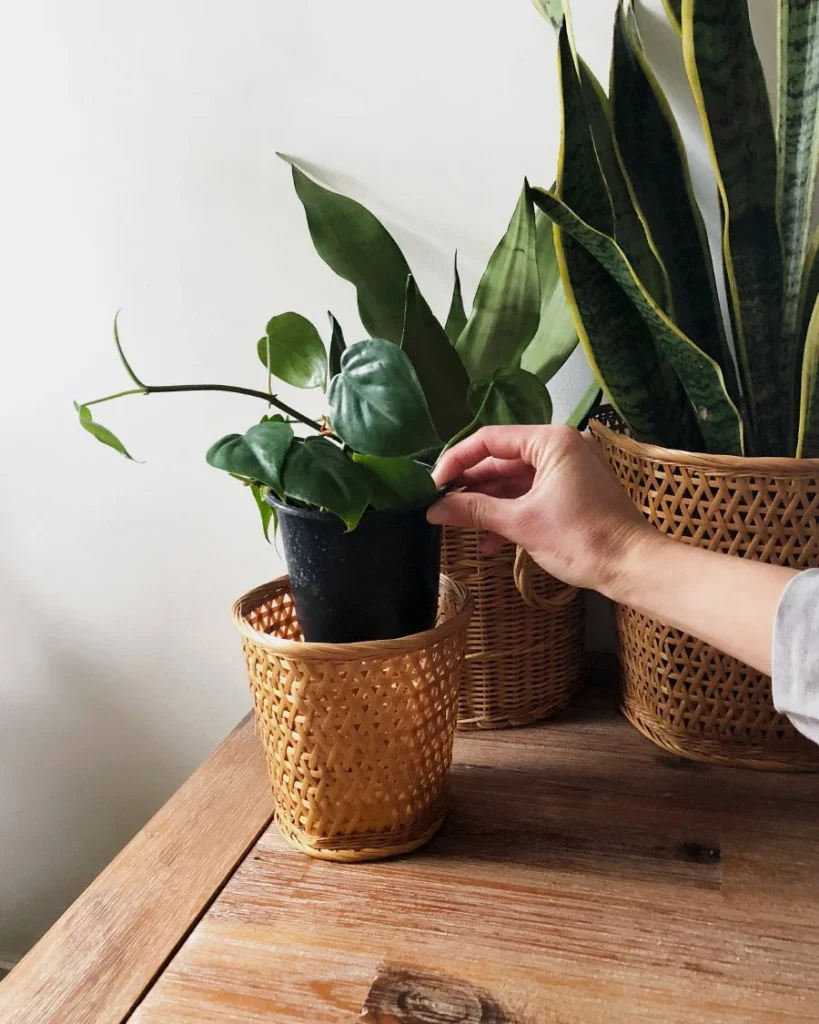
Styled shelves are awesome until you unknowingly set yourself up for rot with those cute farmhouse pots that don’t drain at all (they haunt me). Trust me: lining the bottom with rocks won’t save your roots from drowning—it just trickles the water lower where you can’t see the problem.
What finally worked for me: always using nursery pots inside your decorative ones and pulling them out to water thoroughly over the sink once every week or two.
4. Misting Isn’t Magic—And Sometimes It Makes Things Worse
Everyone loves showing off their spray bottle game online… but most common tropicals don’t crave regular misting unless you live somewhere incredibly dry or the heat is blasting nonstop.
I spent an entire winter dutifully spritzing every other day, only to find tiny spots developing (thank you, fungus). After asking around local plant circles, I found grouping plants together does more for humidity than all my aimless spritzing ever did—and takes zero effort once they’re in place.
5. You WILL Have Brown Tips and Weird Spots
This is hands-down the most universal dirty secret among plant lovers: Eventually, something turns brown or yellow no matter how careful you are.
First time I saw crispy edges on my Philodendron Brasil, panic mode kicked in and I lovingly administered Epsom salt soaks—the internet said it worked wonders! Instead, the real fix was just giving it space from drafty windows and trimming sad spots without overreacting.
Permission granted: Snip off ugly tips with clean scissors and forget about them—they won’t magically “heal,” but new growth more than makes up for it soon enough.
6. Low Light Isn’t Death—a Grow Bulb Costs $15 and Changes Everything
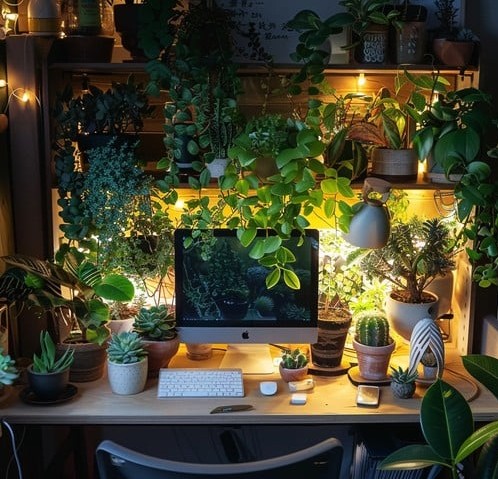
My old apartment was practically a cave six months of the year; nothing survived on top shelves until I added one $15 LED grow bulb to my desk lamp last January. Boom—instant jungly vibes even by February!
Yep, Pothos and ZZ still fare best in dim spaces—but honestly almost any tropical perks up once you add even low-watt supplemental lighting part-time.
Favorite hack: Set your lamp on a cheap outlet timer from Target so it clicks on automatically when needed—I’d never remember otherwise!
7. Weekly Water Checks Work Better Than Fixed Schedules
Scheduling “Water Wednesday” sounds cute until holiday plans throw everything off—or worse yet, humidity shifts because someone cranks up the AC suddenly.
Now? Soil check Sunday is my jam.
- Stick finger in soil,
- If dry past first knuckle = water,
- If moist = leave be,
Bonus tip: Use recycled chopsticks as markers in each pot—move them from left side (“water next”) to right (“just watered”) so even tired Monday-me can’t mess things up mid-coffee slump!
Real Talk From My Plant Graveyard
Back in early pandemic days (hi, March 2020 plant craze), I killed two Calatheas in eight weeks by babying them too much—a humidifier running non-stop AND daily misting sounded smart… until fungus gnats moved in like squatters who never left!
Replaced both with Philodendrons that barely blink at missed waterings or neglectful weeks—and haven’t lost sleep since.
My cousin swore she couldn’t keep anything green alive because her living room faces north; turns out her pothos is thriving above her TV (zero direct sunlight!). We laugh now because she waters whenever she remembers—which somehow works better than strict schedules ever did for either of us.
Quick-Start Steps Most People Forget:
- Buy one starter tropical (Monstera or golden pothos). Don’t go wild immediately—you’ll thank me later.
- Put it near bright-but-not-blazing light—the edge of an east window wins every time!
- Test moisture with touch—not guessing: When finger-dry below surface, then water.
- Skip complicated gadgets at first: No humidifier required unless leaves get crispy every week.
- Embrace imperfect leaves: The first brown edge does not mean failure—it means learning!
If something goes wrong? It happens—even seasoned plant hoarders lose battles against root rot or mysterious leaf drop sometimes (my own Peace Lily still keeps me humble).
You’ll figure out YOUR home’s sweet spot faster by paying attention than by reading endless forums desperate for “the exact answer.” Start small, learn as you go—and share those wild growth wins and setbacks openly; we’ve all been there (some days I’m still there!).
Bottom line? Lush doesn’t equal perfect—each new stem is a little victory worth celebrating over coffee together!