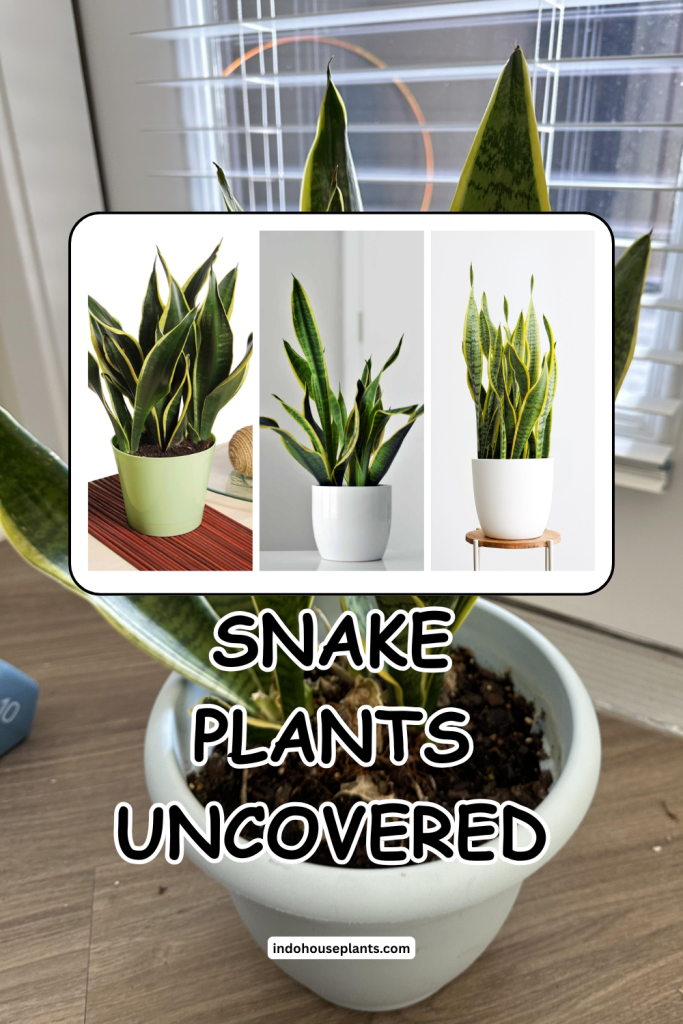
Let’s be honest: most lists about snake plant types are a snooze and don’t actually help you pick the right one for real-life situations. I’ve bought, killed, rescued, and obsessed over more snake plants than I can count—and there’s a lot nobody tells you until you’ve carted a few home and watched them get weird in your apartment.
Skip the fluff—let’s get straight into the hands-on reality of owning different snake plants, so you don’t repeat my rookie mistakes.
What Most People Don’t Know: Not All Snake Plants Behave the Same
Everyone acts like any “Sansevieria” (now officially Dracaena) is indestructible and identical. The reality is: growth rates, leaf stability, looks over time, and even how much cat hair they collect (don’t ask) differ wildly based on type.
And unless you’re aiming for a home jungle that doubles as a maze at night, you’ll want to match your plant to your actual lifestyle—not just what looks good on Instagram.
I’ll walk you through the big four—the only ones I keep on rotation anymore—and cut through the theory with what actually happens after these move in.
1. Dracaena trifasciata (“Classic” Snake Plant)
What It Really Does:
This is the skyscraper of houseplants—mine hit three feet before I had to stake it with chopsticks swiped from takeout. They can be dramatic—some have yellow edges (“Laurentii”), others not—but all shoot upright like they’re trying to reach your ceiling fan.
Real Talk:
If you stick one by a high-traffic spot thinking it’ll blend in quietly, good luck. Guests will smack into it unless it’s parked behind a couch or flanking an entryway. Want fast impact? Skip slow growers and grab one of these already two feet tall—sometimes those “large” options at Home Depot are barely any pricier than small starters (last year mine ran me $28 versus $14).
What Most People Miss:
Tall types tip over constantly if the soil dries unevenly or their pot’s too light. Lesson learned after cleaning gritty potting mix off hardwood twice last winter—just double-pot inside a heavier ceramic or wedge rocks at the base for peace of mind.
2. Sansevieria cylindrica
Looks/Feels:
The leaves are round and stiff—you could almost use these as salad tongs in an emergency; they sound hollow if you tap one together! People love braiding sets into cones (I tried once… clumsy but fun).
Where It Actually Works:
Modern offices love this look, but low-light homes not so much—a cylindrica wants as much sun as possible or it’ll get floppy fast (and start looking like sad green spaghetti). Blunt truth: mine in my windowless bathroom sulked for months until I moved it outside for summer sun—it finally perked up.
What makes this type really useful:
It doesn’t catch dust easily (bonus if you hate cleaning leaves), and my cat never bothered chewing those sharp-angled leaves thanks to their odd texture.
3. Sansevieria hahnii (“Bird’s Nest”)
Best Real-World Use:
When everyone online says “perfect for desks,” believe them—but here’s why: Every time I left town for two weeks, Hahnii waited out my absence like nothing happened while my pothos wilted dramatically three days in. Maximum compactness; no surprise height explosions down the road.
Practical hack?
Group three together in shallow bowls—it looks lush without crowding out your workspace or blocking computer screens (or those all-important Zoom angles).
Cost note:
These are cheap ($8-15 at most nurseries) so great if you’re starting out or want multiples without blowing your budget.
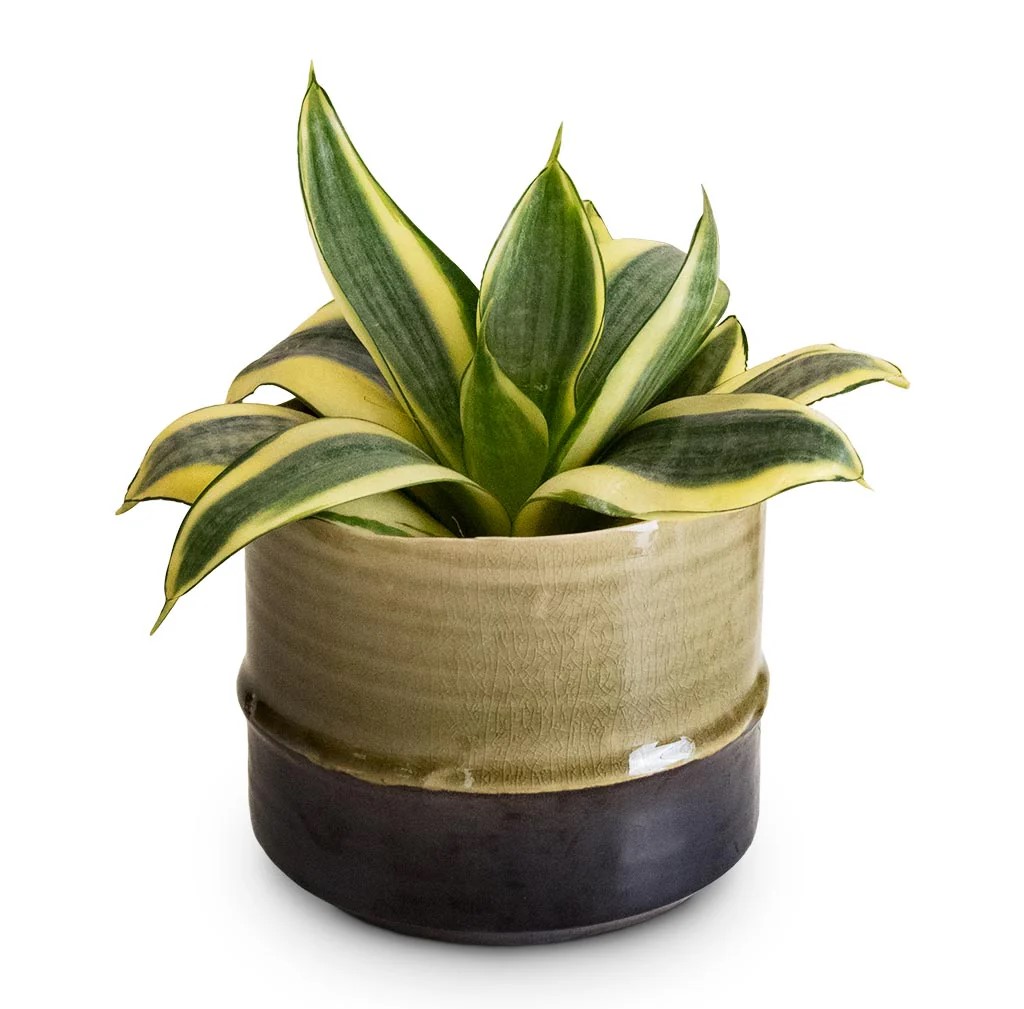
4. Sansevieria masoniana (“Whale Fin”)
Honestly? The wildcard favorite
One giant leaf per pot—that’s it. But man, people lose their minds over this one when they see it in person because it’s just…a massive hunk of green sitting proud as can be. Mine sits on top of old records; guests always ask if it’s fake because who expects a paddle leaf that big?
Wanna impress other plant nerds? Hunt down a variegated version—they cost more ($35+ versus $18 regular), but every shift in color looks hand-painted by nature itself.
Unconventional use case:
I brought mine to work events as silly “centerpieces” instead of flowers—the thing upstaged every arrangement there!
What Actually Matters When Choosing
Here’s what nobody prints on care tags:
- Dark living room? Trifasciata or Hahnii survive best—even north-facing setups.
- Forgetful about watering? Every species forgives neglect—but Whale Fin shrivels less dramatically than Cylindrica if ignored.
- Don’t want messes? Smaller pots dry out faster—no soggy soil issues.
- Want conversation pieces? Cylindrica braids & Masoniana whale fin dominate small spaces visually with little effort from you.
If stripes make you happy every time you see them: Go Trifasciata “Laurentii.” If neat rows make your inner control freak sigh with relief: Those tidy Bird’s Nests are key!
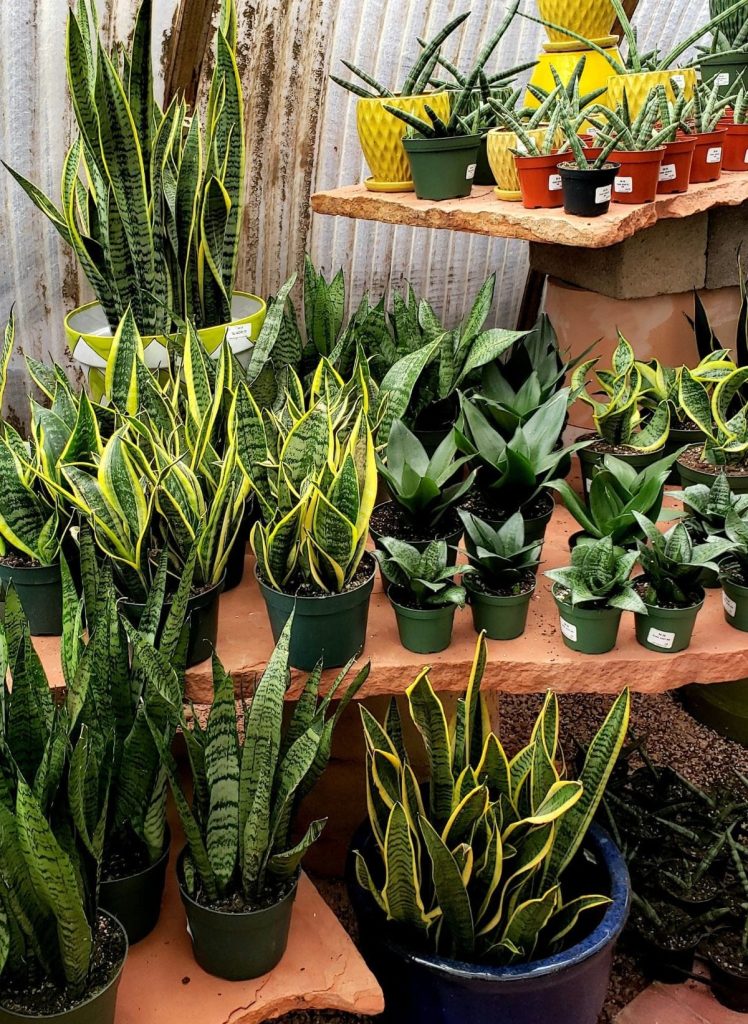
And here’s something everyone finds out late: sometimes store labels are totally wrong—so always feel each leaf! Tubes = Cylindrica; broad and stiff = Whale Fin; tight cup shape under six inches = Hahnii; tall swords = Trifasciata.
Real Mistakes I’ve Made—and What You Can Skip
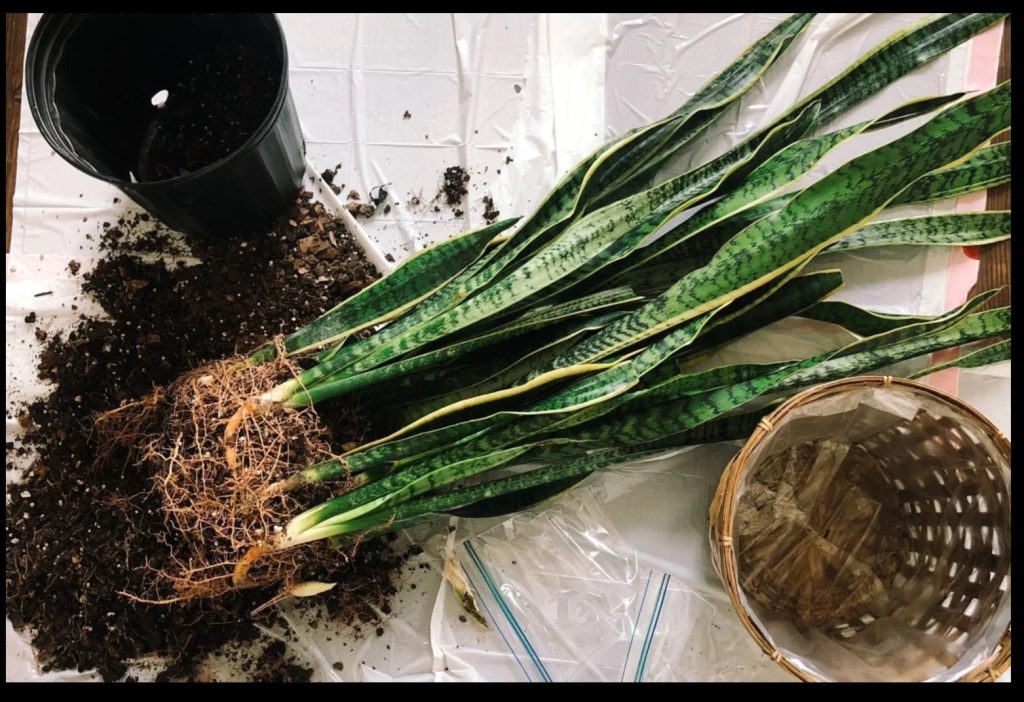
Early days, I grabbed whichever looked healthiest without checking root balls—guess what? Many stores cram several seedlings into one pot to fake fullness—which means when they grow large enough, you’ll have roots crisscrossing impossibly together like tangled chargers under your desk drawer. Next time? Gently loosen soil at purchase; buy singles when possible so repotting won’t become surgery later on. For a great guide on this, check out this resource on how to repot snake plants.
Also—I experimented leaving all my types outdoors during spring rainstorms… Only Hahnii seemed unbothered while Whale Fin grew frankly adorable spots from getting wet too often (lesson: shelter bigger leaves from constant rain).
Last confession: spent $70 on rare variegated ones online…and two months later realized I was watering too often thanks to poor drainage advice from some Pinterest post—root rot city! Always water only when bone dry down past the first knuckle—that trick never fails across all types.
Quick Pick-and-Go Blueprint
- Check real light where plant will live (“bright indirect light” is code for lots but never direct midday sun).
- Think size—and how messy/dusty things get at home.
- Set yourself up with cheap starter Hahnii OR Instant Drama with a mature Trifasciata.
- If overwhelmed at stores? Ask staff for THEIR favorite—you’d be shocked how many turn into fellow collectors eager to recommend personal favorites!
- Don’t stress names—call them what fits you best until curiosity pushes deeper later.
The bottom line… You DON’T need perfection or expertise to excel with snake plants—you need honesty about life patterns and willingness to experiment knowing these guys bounce back stronger than almost anything else sold as “houseplant” today.
So go ahead, bring home one that catches your actual eye—not what some trend piece insists is “must-have”—and let real experience guide you from there! Trust me: rooting for beginners is basically what these plants were made for. Happy planting!