Why Plant for Pollinators?
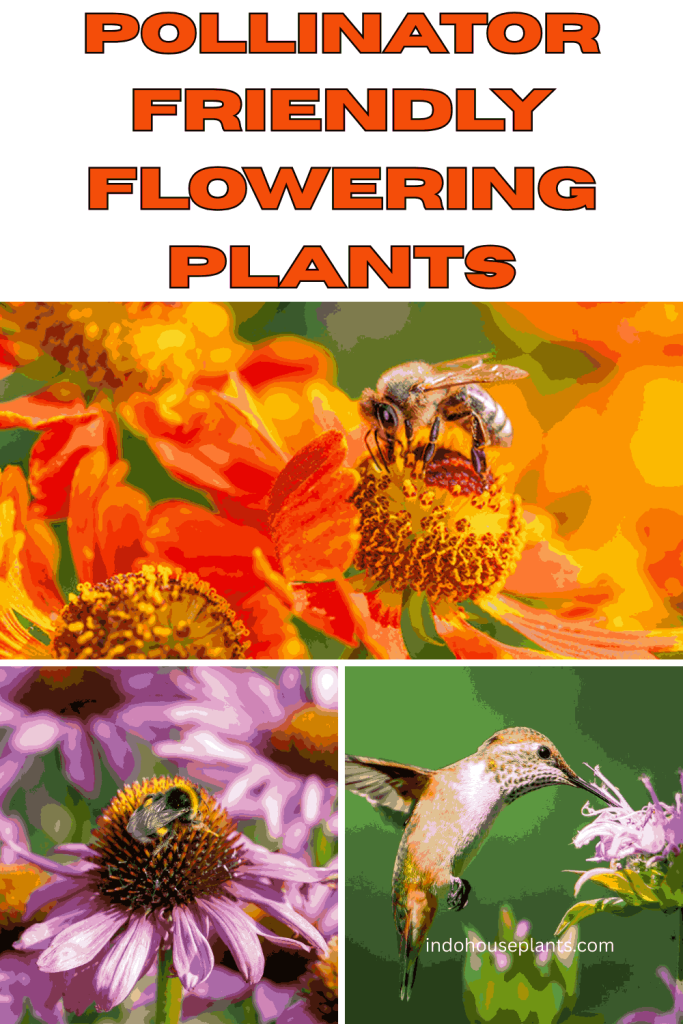
Picture this: a garden buzzing with bees, fluttering with butterflies, and shimmering with hummingbirds—all thanks to the plants you choose. It’s not just about pretty blooms; these pollinators are key to healthy food crops and thriving ecosystems. In fact, one out of every three bites you eat relies on them!
Want your garden to make a difference? Growing pollinator-friendly flowering plants is one of the most rewarding ways to help nature, and it brings your outdoor space alive.
What Are Pollinator-Friendly Flowering Plants?
Pollinator-friendly plants are like an all-you-can-eat buffet for beneficial bugs and birds. These blooms offer plenty of nectar and pollen for:
- Bees (including honeybees, bumblebees, and native bees)
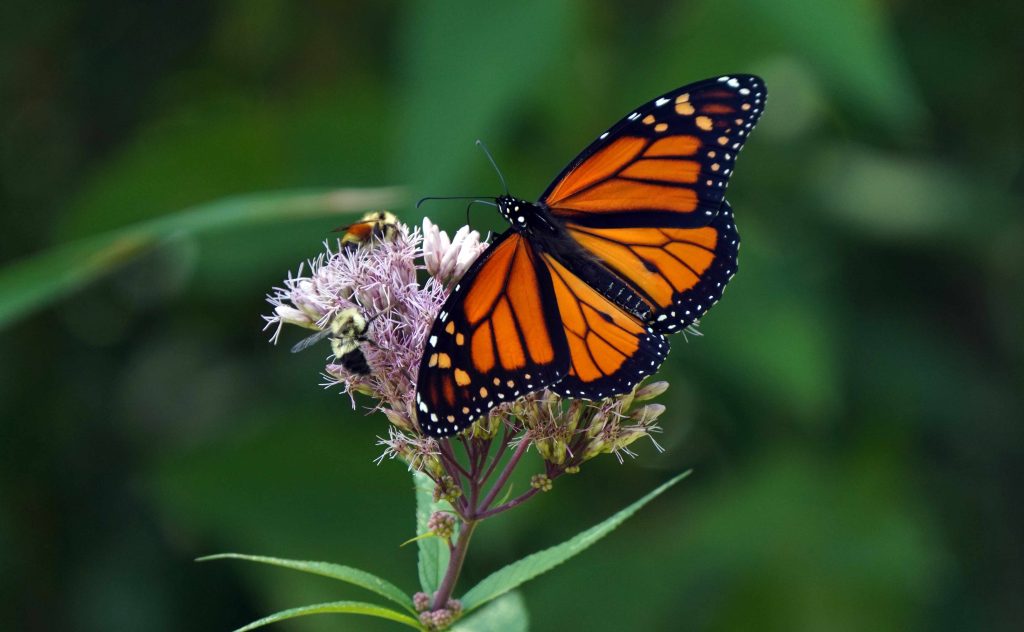
- Butterflies (monarchs, swallowtails, painted ladies)
- Hummingbirds
- Moths and beetles
Why do pollinators flock to these flowers? They love the bright colors, rich scents, and the steady supply of food from spring through fall.
Top Pollinator-Friendly Flowering Plants
Not sure where to start? Here are some gardener favorites that attract pollinators and add vibrant color to your space:
| Plant Name | Bloom Time | Pollinator Type | Growing Conditions |
|---|---|---|---|
| Purple Coneflower | Summer–Fall | Bees, Butterflies | Full sun, well-drained |
| Bee Balm | Summer | Bees, Hummingbirds | Sun/part shade, moist |
| Black-Eyed Susan | Summer–Fall | Bees, Butterflies | Full sun, average soil |
| Milkweed | Summer | Monarch Butterflies, Bees | Full sun, dry/well-drained |
| Lavender | Summer | Bees | Full sun, well-drained |
| Zinnia | Summer–Fall | Butterflies, Bees | Full sun, well-drained |
| Salvia | Summer–Fall | Bees, Hummingbirds | Full sun, moderate soil |
| Sunflower | Summer–Fall | Bees, Butterflies, Birds | Full sun, average soil |
| Blanket Flower | Summer–Fall | Bees, Butterflies | Full sun, dry soil |
| Aster | Late Summer–Fall | Bees, Butterflies | Sun/part shade, rich soil |
Insider tip: Go for native plants when you can—they’re adapted to your local climate and loved by local pollinators. A great resource for this is the Xerces Society.
Designing a Pollinator Garden
You don’t need acres of land! Whether you’re working with a backyard, balcony, or patio pots, these design tips will set you (and the bees) up for success:
- Cluster your plants: Group flowers together in patches. It’s easier for pollinators to spot a “mass planting.”
- Mix up your bloom times: Select early, mid, and late-season bloomers for non-stop color and nectar.
- Vary shapes and colors: Tubular, flat, and spiky flowers draw in different pollinators.
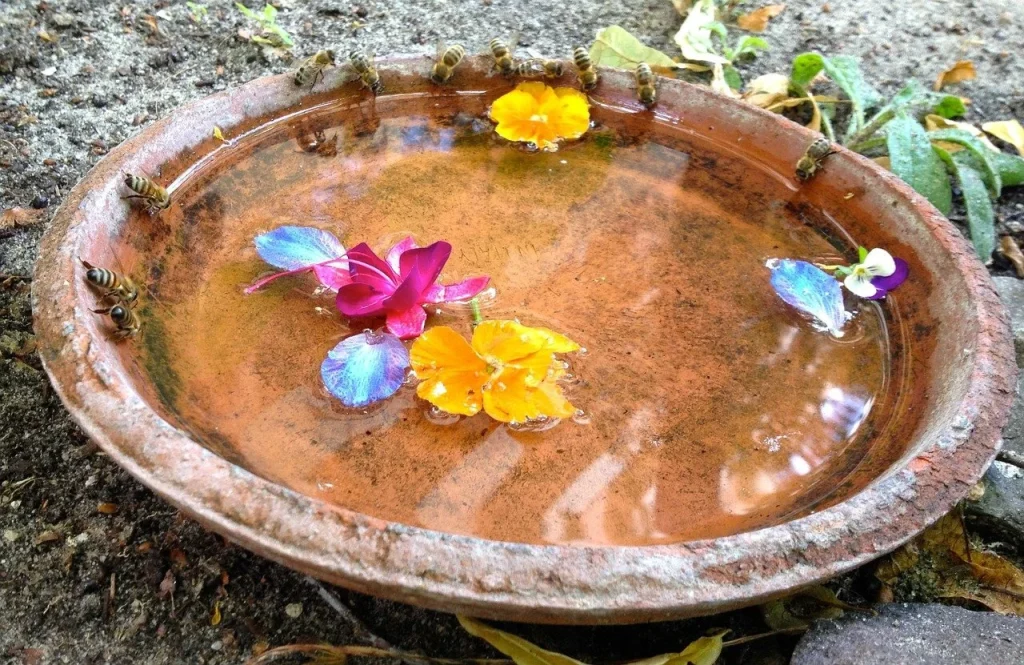
- Add a water source: A shallow dish with stones is perfect for thirsty bees.
Curious about gardening in tight spaces? Check out our Top Container-Friendly Flowering Plants for Small Spaces for inspiration.
Garden Maintenance for Pollinators
Help your pollinator visitors stick around by making your garden a welcoming habitat all year long:
- Ditch the pesticides: Go organic or try natural pest control to protect pollinators.
- Let it be a little wild: A brush pile or a few leaves can be the perfect bee “hotel.”
- Deadhead for more blooms: Removing spent flowers encourages new ones.
- Offer shelter: Some bees nest in hollow stems or undisturbed soil.
FAQs: Your Pollinator Garden Questions Answered
Can I grow a pollinator garden in a small space?
Absolutely! Many pollinator favorites, like bee balm and zinnia, thrive in pots. Check out our Top Container-Friendly Flowering Plants for Small Spaces.
Are annuals or perennials better for pollinators?
Both help! Annuals offer bursts of nectar, while perennials keep coming back—mix them for maximum impact.
Do bee-friendly flowers also attract butterflies?
There’s plenty of overlap, but some plants (like milkweed) are butterfly magnets, while others are bee favorites. Plant a mix for best results.
How do I design a flower border for pollinators?
Use clusters, mix heights, and choose a variety of bloom times and colors. More tips here: How to Design a Flower Border with Seasonal Bloomers.
Did You Know?
- Native flowering plants are low-maintenance and super resilient.
- Hummingbirds love red and orange tubular blooms.
- Night-blooming and fragrant plants attract evening pollinators—explore them in our Night-Blooming and Fragrant Flowering Plants.
Start Your Pollinator Paradise Today
Ready to welcome more pollinators to your garden? Just plant a few of these top picks, skip the sprays, and watch your garden come alive! For more in-depth tips, visit The Complete Guide to Flowering Garden Plants.