Introduction
Ever catch yourself peeking over the fence, admiring a neighbor’s riot of flowers, and wonder, “How do they do it?” The answer isn’t luck or magic. It’s all about giving your garden the right foundation: great soil and just the right boost of fertilizer.
Whether you’re a first-timer or a seasoned grower looking for an extra burst of color, this guide is here to take the guesswork (and stress) out of growing dazzling blooms.
What is the Best Soil for Flowering Garden Plants?
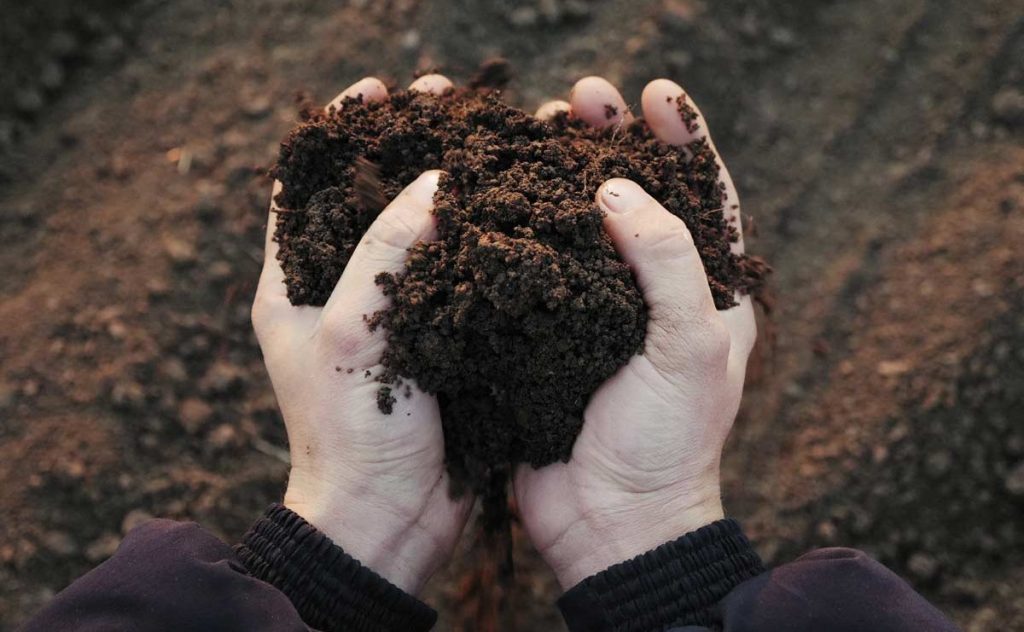
Let’s get our hands a little dirty! Imagine plunging your fingers into soil that feels loose, crumbly, and smells rich—almost like the earth after a summer storm. That’s loam, and it’s a flower’s favorite.
Loam is the Goldilocks of soils—not too sandy, not too heavy, just right for holding moisture and letting roots stretch out and breathe.
Try this at home:
- Grab a handful of soil from your garden.
- Give it a gentle squeeze.
- Does it form a soft ball but crumble apart easily? Perfect!
If it’s hard as a rock or slips through your fingers, it’s time for a soil tune-up (don’t worry, it’s easier than you think).
Friendly reminder: Most gardens don’t start out perfect. Almost every lush flowerbed you admire began with someone improving the dirt beneath their feet.
How Can I Improve My Garden Soil for More Blooms?
Here’s the secret: beautiful flowers come from soil that’s full of life. Even the toughest, clay-clogged patch can become a bloom factory with a few simple tweaks:
- Add compost: This is every gardener’s secret weapon. A shovelful of compost, store-bought or homemade, makes soil lighter, richer, and full of nutrients.
- Mix in organic matter: Old leaves, grass clippings, or a bit of aged manure? Toss them in!
- Loosen compacted soil: Give it a fluff with a garden fork so roots can dig deep.
Give it a seasonal treat: Every spring and fall, spread an inch or two of compost over your flower beds. It’s like a wellness spa for your garden.
No-fuss compost recipe: Toss kitchen scraps (like coffee grounds, veggie peels, eggshells) and yard waste in a pile or bin. Turn it once in a while. In a few months, you’ll have homemade “black gold” for your blooms.
Choosing the Right Fertilizer: Organic vs. Synthetic
N-P-K, Explained in Plain English
See those numbers on the bag? Here’s what they mean:
- N = Nitrogen (for leafy, green growth)
- P = Phosphorus (for roots and, yes, lots of flowers)
- K = Potassium (for strength and stress-fighting power)
For more flowers, reach for a “bloom booster” with higher phosphorus.
Organic Fertilizers
Compost, worm castings, fish emulsion, bone meal
Why try them? They’re gentle, feed the soil and your plants, and are safe for kids and critters.
Patience pays off: They build up the soil slowly, season after season.
Synthetic Fertilizers
Fast-acting liquids or granules made just for flowers
When to use them: Great for a quick burst if your blooms are lagging.
Just a pinch: Too much can burn plants or harm the helpful microbes in your soil.
Garden wisdom: Many flower-lovers use both: a solid base of compost with the occasional boost from a liquid feed when flowers are setting buds.
Top Fertilizer Products for Flowering Garden Plants
Skip the clutter of bottles and bags—these are all you really need:
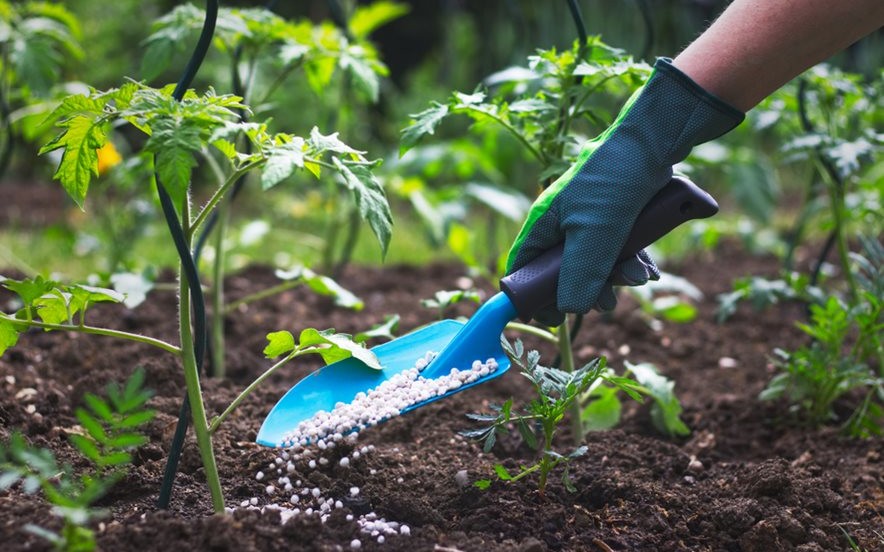
- Slow-release granules: Sprinkle on at planting time, and let rain and time do the rest.
- Liquid bloom boosters: Quick “energy drinks” for container gardens or when you want a little more color.
- All-purpose organic mix: Safe for almost everything, builds soil and supports long-term health.
- Special blends: Roses, bulbs, and acid-lovers sometimes need a specialty formula—helpful, but not a must.
A little goes a long way: Water first, then feed, and follow label instructions. It’s tempting to double up, but plants really do best with “just enough.”
Common Soil & Fertilizer Mistakes (And How to Fix Them)
Don’t sweat it if you mess up—every gardener has! Here are some simple fixes:
- Too much fertilizer: If you see lots of leaves but no flowers, cut back and flush the soil with water.
- Poor drainage: Wilting or yellow leaves? Add compost or build a raised bed.
- Soil pH not quite right: Most flowers like it slightly acidic to neutral (pH 6–7). Home test kits are cheap and easy to use!
Quick-Help Table:
| Problem | What’s Happening? | Easy Fix |
|---|---|---|
| Yellow leaves | Too much water/poor soil | Improve drainage, aerate |
| No blooms | Too much nitrogen | Switch to bloom fertilizer |
| Wilting plants | Soil too compact | Loosen soil, add compost |
FAQs
Do container flowers need fertilizer?
Absolutely! Pots lose nutrients fast. Give your flowers a gentle liquid feed every 2–4 weeks for non-stop color.
Can I use homemade compost for flowers?
You bet. If it’s dark, crumbly, and smells earthy—not rotten—it’s pure gold for your garden beds and pots.
When’s the best time to fertilize?
Start as soon as you see green shoots in spring, and reapply as directed. Keep it steady and your flowers will reward you.
Quick Reference: Soil & Fertilizer at a Glance
- Best soil: Loamy, rich, well-draining
- Compost: Add 1–2 inches each year for happy roots
- Fertilizer: Use a balanced or bloom formula—never more than the package says!
- Watch for: Soggy soil, yellow leaves, or stubborn plants—these are your garden’s way of asking for help.
Conclusion
Here’s the bottom line: Every blooming garden starts with healthy soil and a little TLC. Don’t stress about perfection or fancy tricks—just feed your soil, listen to your plants, and enjoy watching each bud unfold. With every season, you’ll discover what makes your little patch of earth thrive.
Want more garden wisdom? Check these out:
- The Complete Guide to Flowering Garden Plants
- Best Sun-Loving Flowering Plants for Vibrant Gardens
- Shade-Loving Flowering Perennials That Thrive
- Fast-Growing Flowering Plants for Instant Garden Impact