When I first started experimenting with garden edging, Acorus grass—specifically Acorus gramineus—became a total game-changer for me. It’s not just about setting a boundary; it’s about creating a living line that feels soft underfoot and adds subtle texture without screaming “look at me.”
Here’s the thing most people don’t realize: Acorus isn’t your typical rigid edging solution. It’s quietly elegant, almost soothing, and it gently guides the eye along pathways or garden beds without needing a fence or plastic strip.
In one of my first projects, I planted Acorus along a narrow garden path that meandered through a partially shady area. I spaced the plugs about 8 inches apart, knowing they’d fill in and create a dense mat over time.
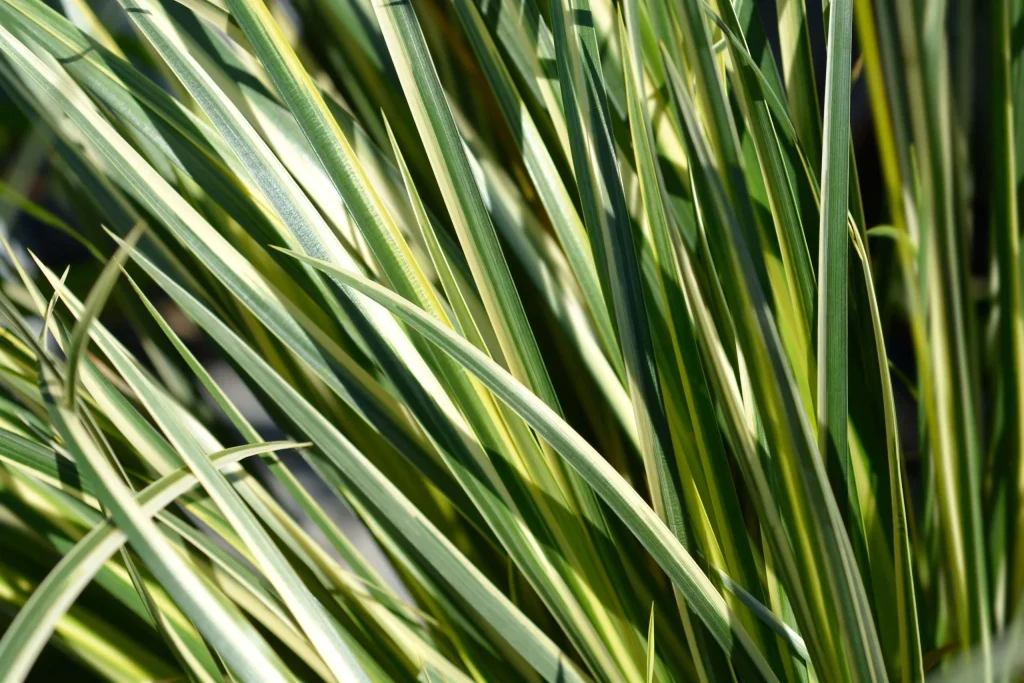
What actually blew me away was how well this plant defined the walkway without imposing on the neighboring flowers. Unlike rigid edging, I didn’t have to worry about soil spilling out or creating a hard line that disrupted the flow of the garden. Instead, Acorus formed a subtle “shoulder” that kept everything neat and contained.
Here’s what most people don’t know about Acorus grass edging and what I’ve learned through hands-on experience:
Why Acorus is Perfect for Living Edging
Its slow-spreading nature made me less nervous about it running wild. I’ve seen garden owners struggle with grasses that quickly smother other plants, but Acorus takes its time. It’s like a respectful guest at a dinner party, quietly staying in its lane.
The upright leaves give just enough texture and verticality to contrast with sprawling ground covers or low flowers—it’s a texture you don’t get from plastic or stone edging.
Getting It Right with Acorus—Tips from My Experience
Picking the Spot:
Moist, semi-shady spots are where Acorus shines. I once made the mistake of planting a chunk in full sun where the soil dried out quickly. The leaves got scorched and looked sad. But in a spot near a pond edge, where the soil stayed damp but didn’t flood, Acorus grew lush and vibrant.
If your garden lacks moisture, don’t be afraid to supplement with regular watering or even situate your Acorus near outdoor sinks or rainwater captures—these micro-climates can work wonders.
Soil Prep Magic:
Before planting, I always make sure to loosen the soil and throw in some rich compost. This step often gets skipped, but it’s crucial because Acorus is sensitive to compacted or overly dry soil. The compost keeps moisture locked in and encourages healthy root growth. If you want that easy, neat edge, invest time here.

Spacing and Planting:
Spacing between 6 and 12 inches worked best for me depending on how fast I wanted the edge to fill. If you plant too close, you’ll spend time dividing clumps within a year. Too far apart, and it looks patchy for longer than you want.
Another little tip: plant plugs at the same depth they came in their pots to avoid shock.
Maintenance I’ve Found Helpful:
- Keep watering consistent, especially if your summers are dry. I use mulch around new plantings to hold moisture and keep weeds down, which helps Acorus focus on spreading horizontally rather than competing.
- I clip off any yellowing or dead leaves early to maintain that clean line. It’s a small thing, but it makes a big visual difference.
- Every couple of years, I divide older clumps in early spring—not only to control spread, but to revitalize growth.
Realistic Uses That Work
Imagine you have a winding path bordered by an eclectic mix of perennials. Acorus acts like a visual “fence” that isn’t harsh or noisy but still gives you that satisfying sense of order.
Last season, I edged a small water garden with Acorus, and it created a soft transition from the water’s edge to the flowers—not a jarring end, just a gentle invitation. It’s these subtle effects that have convinced me Acorus is a quiet hero in edging.

Troubleshooting from My Trials
- Invasiveness? It’s overrated. As long as you manage spacing and keep an eye on spreading shoots, it won’t overwhelm your garden. Whenever I notice a rogue runner, I dig it up and toss or replant it. It’s easy to manage without chemicals or fences.
- Yellow Leaves: Usually a sign of inconsistent watering or too much sun. I’ve saved many a patch by adding shade cloth for an afternoon or upping my watering game.
- Slow Growth: Give it time and attention to soil moisture. If your soil is sandy or drains too quickly, mulch and organic matter are your best tools to keep the soil consistently damp.
Why You Should Give Acorus Edging a Go
Beyond aesthetics, using Acorus gave me a renewed appreciation for “living borders” that breathe and change with the seasons. It feels more connected to the flow of the garden than concrete or plastic.
Plus, the maintenance isn’t demanding once the plants settle in, a relief for anyone juggling busy schedules.
How to Get Started Today—My Simple Action Plan
- Visit a trustworthy nursery or order healthy Acorus gramineus plugs online. Look for bright green, damage-free leaves.
- Identify your edging spot where the soil stays moderately moist—think along garden paths or near water features.
- Loosen the soil and mix in plenty of organic compost before planting.
- Plant your plugs 6 to 12 inches apart, at the same depth they were growing.
- Water thoroughly right after planting and maintain consistent moisture.
- Enjoy the slow, steady formation of your natural green border.
Once you see the first few shoots fill in, it’s incredibly rewarding—a little daily proof that your choice is enhancing your garden. If doubt creeps in, remember: every gardener grows by experimenting.
Acorus edging might just be the understated secret you didn’t know your garden needed.
If you get started and run into any surprises or want to share how your border evolves, I’m here for you—gardening is always a conversation, after all.