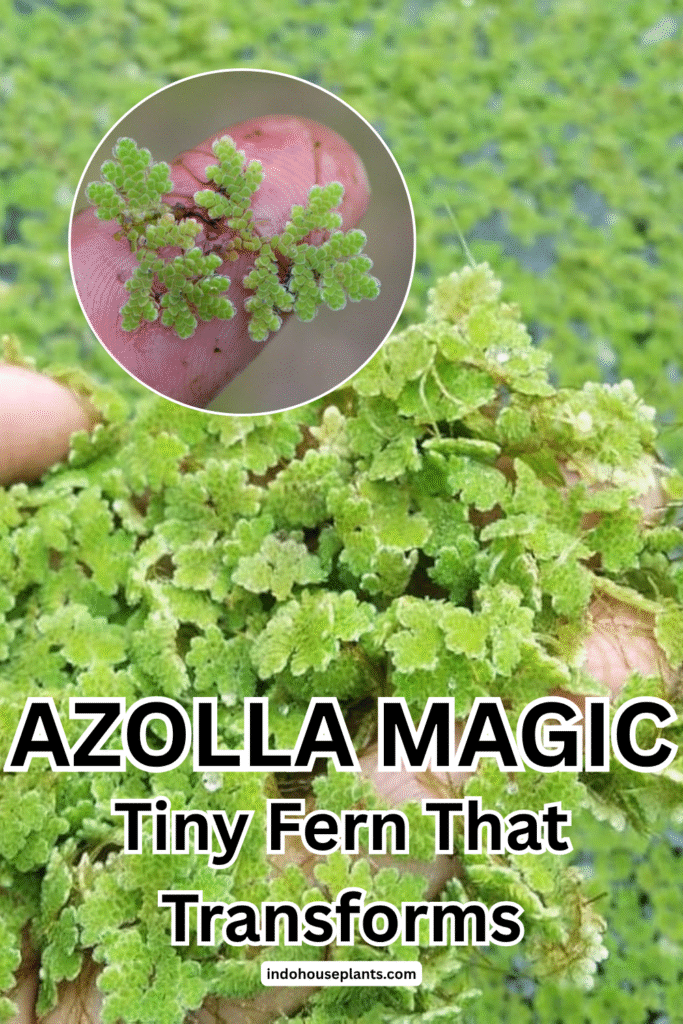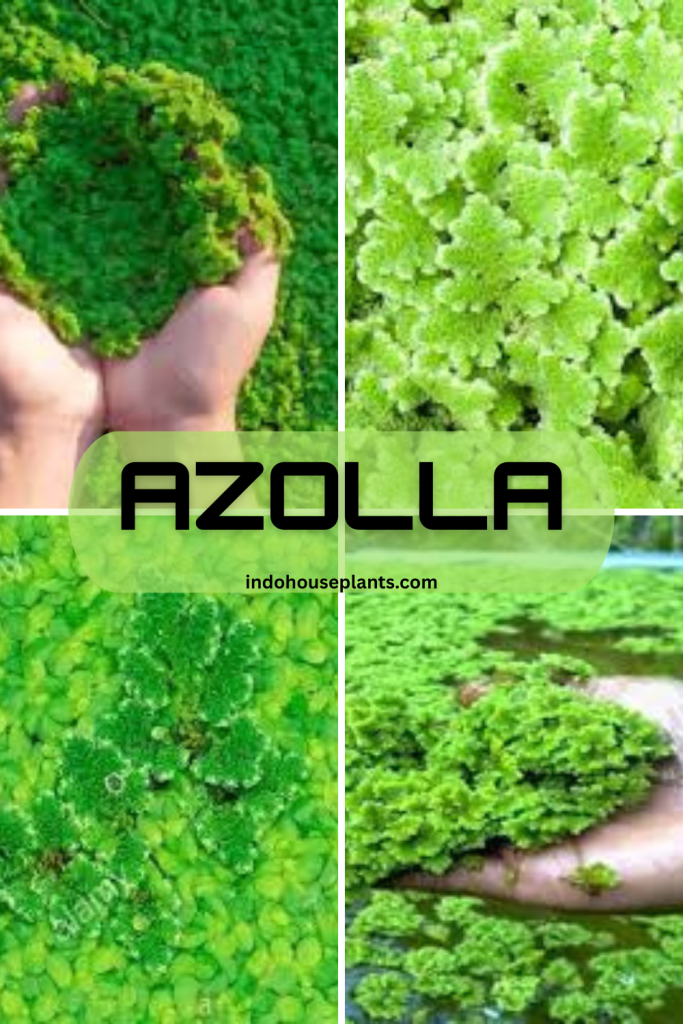
I still remember the first time I introduced azolla to my backyard pond. I was a bit skeptical—how could this tiny floating fern really make a difference? But within weeks, I watched as the water, previously clouded with stubborn algae, began to clear, and small fish found safe hiding spots beneath its soft green mat. That experience was eye-opening, and it convinced me that azolla isn’t just another aquatic plant; it’s a silent ecosystem hero.
[IMAGE: Close-up of azolla’s delicate fern-like structure floating on pond water]
What Makes Azolla a Game-Changer for Water Features?
Azolla is this quirky little fern that feels like nature’s own water blanket. It thrives by scooping up excess nutrients, especially nitrogen, that usually invite those pesky algae to take over your pond. Unlike algae that can choke your water and smell unpleasant, azolla creates gentle shade, cooling the water beneath, and helps keep that murky green at bay.
Here’s the part most people don’t realize: azolla doesn’t just help keep the water clean, it actually supports your pond’s residents. When I added it, I noticed dragonfly larvae and tiny fish fry appeared almost overnight, using the fern’s mat as a protective nursery. It’s like setting up a little underwater hotel for beneficial critters—no chemicals needed.
Adding Azolla to Your Water Feature: My Tried and True Approach
I learned early on that patience and observation are key. Dumping in a massive clump of azolla feels tempting, but it often leads to overgrowth that can suffocate your pond. Instead, I recommend starting with just a handful, then sitting back and watching it spread. You’ll get a better feel for your pond’s unique conditions this way.
Azolla thrives in calm, nutrient-rich water between about 60°F and 85°F (15-29°C). When I tried introducing it near a fountain with strong currents, it struggled to stay put and often disappeared downstream. So, pick a quiet corner of your pond where the water barely moves.
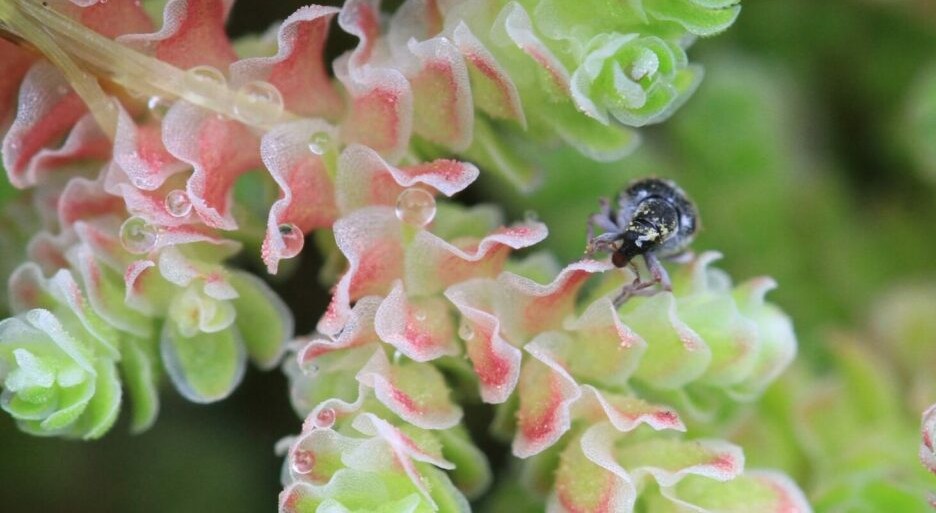
Sunlight is another subtle factor. Azolla loves dappled sunlight—too much direct sun, especially during hot summer days, and it dries out. Too little, and it won’t grow robustly. It took me a couple of tries to find that sweet spot near a partially shaded bank lined with reeds.
[IMAGE: Side-by-side comparison of azolla in full sun vs. partial shade]
How Azolla Changed My Pond—and Could Change Yours
- Clearer Water Without Chemicals: That summer when algae would have taken over, a handful of azolla transformed my pond into something visually peaceful. No longer did I dread that green film.
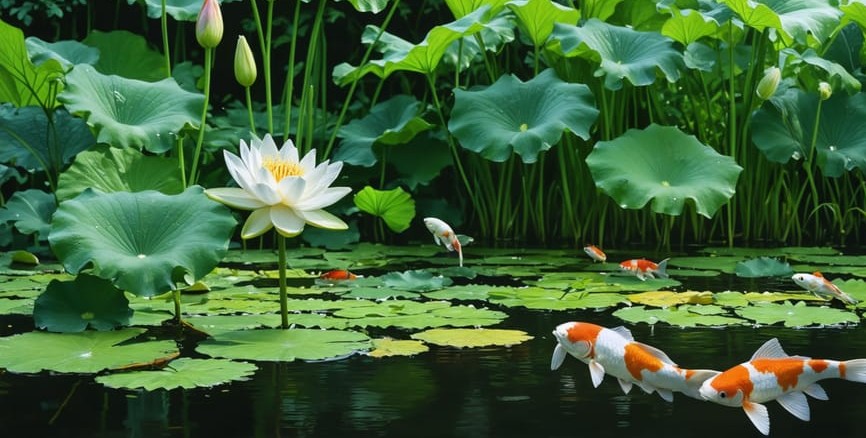
- A Safe Haven for Fish: The tiny fish in my pond loved darting under the azolla mats, escaping herons and other predators. If you’re raising koi or goldfish, azolla gives them a natural playground and sanctuary.
- A Natural Nutrient Recycler: As azolla dies back, it decomposes slowly, feeding submerged plants with gentle nutrients, almost like a self-sustaining fertilizer. I noticed my water lilies looked healthier the following season.
- An Unexpected Water Cooler: That shaded surface actually helped keep water temperatures lower, which was a welcome relief during sweltering months.
Pro Tips Nobody Tells You About Azolla
- Weekly Check-Ins Are Your Best Friend: Azolla can double its coverage in a matter of days, so a weekly glance helps you avoid the blanket effect that could choke oxygen exchange. When it gets too thick, I gently scoop out the excess with a net—simple and effective.
- Mix It with Other Aquatic Plants: Giving azolla some competition, like water hyacinths or submerged plants, creates a balanced mini-ecosystem. It’s like having teammates working together to keep your pond happy.
- Avoid Chemical Fertilizers: If your pond is nutrient-poor, organic options like compost tea work wonders without upsetting azolla or water chemistry.
- Winter Prep: If you live somewhere cold, expect azolla to bow out during chilly months. When spring returns, a fresh batch will take off again—think of it as nature’s seasonal cycle.
[IMAGE: Hand scooping excess azolla with a net]
What To Do If Things Go Sideways
I’ve made plenty of mistakes. One winter, my azolla died back completely, leaving me worried. But when spring warmed up, it rebounded beautifully with a little help from my compost tea. Also, if it ever grows too dense, don’t panic—removing the excess regularly is all it takes to keep your pond healthy.
Sourcing clean azolla can be tricky. I learned the hard way that picking it up from unknown water bodies risks introducing pests or invasive species. Now, I only get it from trusted nurseries that specialize in aquatic plants.
Getting Started With Azolla in Your Water Feature
Begin by sourcing a small portion of azolla from a reputable local supplier or aquarium shop. Introduce it gently into a calm, nutrient-rich section of your pond or water garden. Keep a journal or take photos weekly to track its growth rate and health. This small habit helped me fine-tune care and prevented surprises.
If you’re feeling adventurous, try combining azolla with fish species like goldfish or koi that benefit from the shade and protection. Watching their interactions can deepen your connection with your water feature and its miniature ecosystem.
Final Thoughts — Why Azolla Is Worth It
Azolla is much more than a floating fern; it’s a gateway into understanding and enhancing your water feature’s ecosystem. It has a gentle but profound way of stabilizing water quality, creating habitats, and even beautifying your space with its soft emerald presence.
I encourage you to give it a shot. The payoff is not just clearer water, but a deeper appreciation for how small natural elements can lead to big changes. Watching your pond transform from a stagnant green mess into a lively, balanced mini-world is one of those simple joys that sticks with you.
Dive in with curiosity, keep a close eye, and soon you’ll be sharing your own stories about how azolla transformed your water feature—just like I did.
WordPress Elements
- Categories: Pond Care, Sustainable Gardening
- Tags: azolla, water features
- Post Slug: azolla-pond-transformation
- Meta Description: Discover how azolla, a tiny floating fern, can naturally clear algae, shelter fish, and transform your pond into a thriving ecosystem.
- Excerpt: Azolla isn’t just another aquatic plant—it’s a powerhouse for ponds. Learn how this tiny fern can clear algae, protect fish, and create a balanced water feature effortlessly.