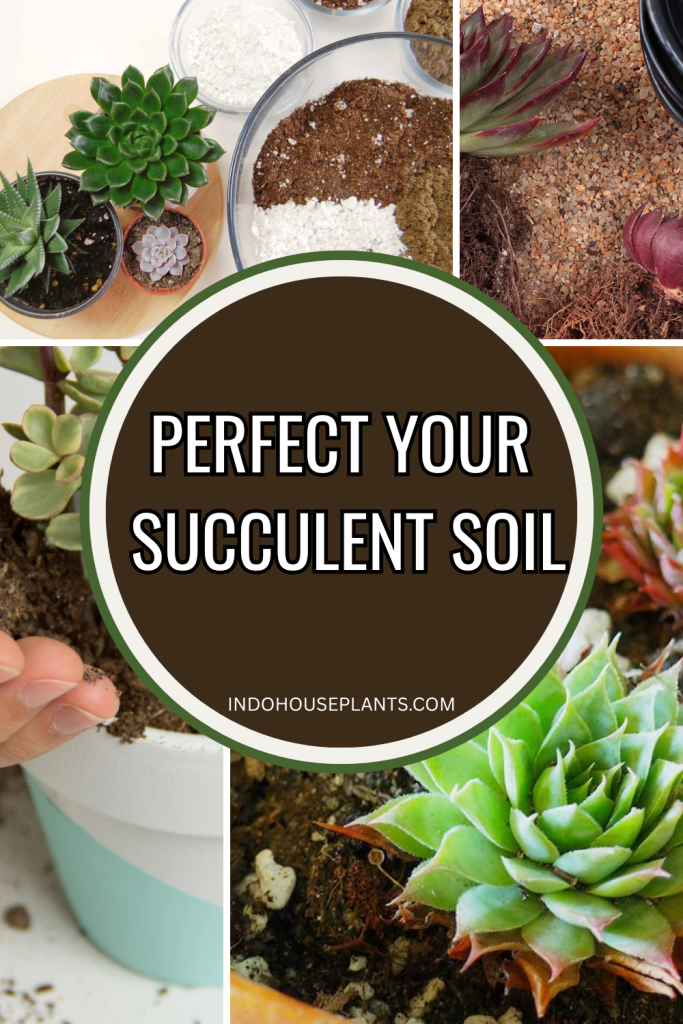
When I first dived into growing succulents, the soil mix seemed like an afterthought—I thought any potting soil would do. Spoiler: it doesn’t. Succulents are quirky little water hoarders, and if their roots sit in soggy soil, they get stressed out fast, sometimes fatally.
What I learned over time is that the magic lies in creating a soil environment that feels like their native homes—dry, gritty, and unforgiving. That’s where an arid succulent mix comes in, and it’s way simpler than it sounds once you get the hang of it.
Why Arid Succulent Mixes Aren’t Just a Fancy Name
Succulents store water in their thick leaves and stems, which means their roots evolved to breathe in air more than drown in water. If you give them regular potting soil, they’ll soak up water like a sponge—then start to rot below the surface because their roots suffocate and drown. I’ve seen this happen with my own jade plants when I ignored soil choice, and it’s basically a slow-mo disaster.
Using an arid succulent mix mimics the kind of rocky, desert soil these plants crush it in naturally. Good drainage and aeration are your best friends here—they keep water moving fast and away from the roots, preventing the dreaded root rot. Plus, a gritty texture helps roots anchor better without turning into clay mush.
My Go-To Arid Succulent Mix Recipe (Because I’ve Tried a Lot)
Here’s what I’ve settled on after trial, error, and a few sad plant casualties:
- 2 parts coarse builder’s sand (not beach sand or play sand—those hold water and clog up air pockets)
- 2 parts normal potting soil (nothing fancy, just regular stuff to give a bit of organic matter and nutrients)
- 1 part pumice or perlite (pumice has a slight edge because it’s heavier and holds some moisture without staying waterlogged, but perlite is a solid, easy-to-find substitute)
A little personal pro tip: I buy pumice in bulk from a local landscape supplier—way cheaper than garden center bags—and it’s exactly what my plants love. If you want to allocate a few bucks elsewhere, look for pumice or lava rock instead of perlite, which can get thrown around more in pots during watering.
Real-Life Mix Examples
- When potting a 4-inch nursery succulent, two cups of sand, two cups of potting soil, and one cup of pumice is perfect.
- For larger containers—say a 5-gallon bucket—I just swap “cups” for “buckets” and mix it up in a large bin.
- I always mix the components thoroughly in a plastic tub before potting. Uneven mixes can trap moisture in clumps.
What Most People Don’t Realize About Sand
A lot of newbies grab whatever sand they find and end up with a mix that feels gritty but holds water like a sponge. That kills succulents slowly. Builder’s sand is gritty and coarse enough to keep things airy. If you have to use beach or play sand, run it through a sieve to get rid of the fine dust—and mix it with even more perlite.
When the Premixed Cactus Soil Isn’t Enough
I’ve bought pre-made cactus and succulent soil mixes, and while they’re convenient, I often find they’re not gritty enough. I usually boost drainage by adding extra pumice or perlite—sometimes up to 30% addition. Then my succulents perk up faster and roots stay happy longer.
[IMAGE: Bag of store-bought cactus soil next to a homemade mix for comparison]
Troubleshooting: When Things Still Go Wrong
If your succulents are still looking droopy or rotting after repotting into a new mix, chances are it’s not just the soil but watering habits. I used to water mine every week religiously and ended up with mushy stems and black roots. Now, I treat watering like a science experiment: poke my finger in the soil, wait for it to dry out completely between drinks, and only water when the pot feels light.
Also, repotting every couple of years does wonders. Fresh soil replenishes nutrients and lets you check root health. I’ve rescued many plants by cutting away rotten roots during repotting and giving them fresh arid mix.
A Layer of Texture Magic: Crushed Lava and Granite
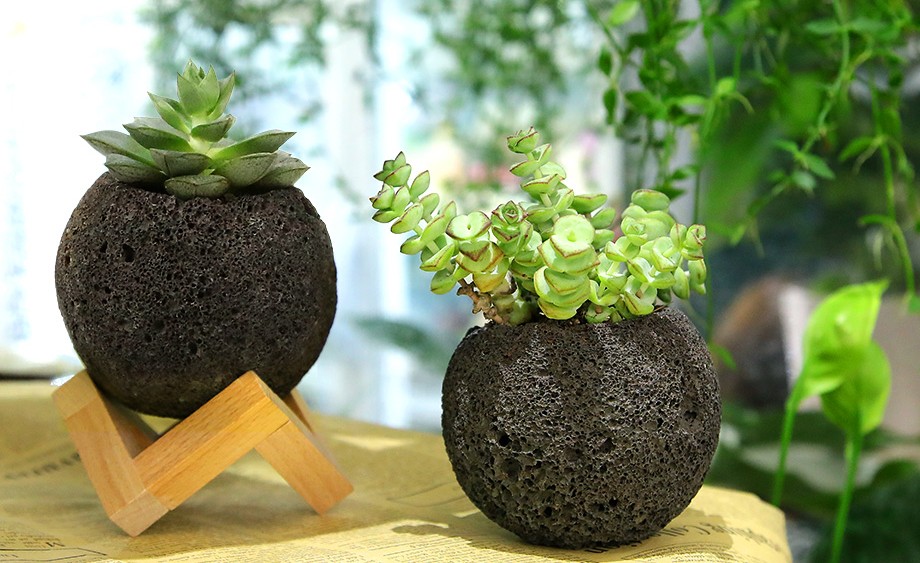
Once you’re comfortable with the basics, mixing in crushed lava rock or tiny granite chips adds another layer of texture and drainage. It looks great, too, almost like a mini desert landscape in the pot. Some hobbyists swear by this to prevent soil compacting and keep airflow moving around roots.
The Unspoken Reward of Getting This Right
There’s nothing like the feeling of seeing your succulents go from stressed and sad to plump, vibrant, and growing. It’s rewarding because you learn to read their needs—and soil mix is the foundation. Nail this part, and you’re halfway to succulent success.
Here’s a Quick Game Plan to Try Today
- Head out and grab coarse builder’s sand (or sift fine sand if necessary), regular potting soil, and pumice or perlite.
- Use the 2:2:1 ratio and mix in a clean container until fully combined.
- Repot your succulents with this soil and set them in bright, indirect sunlight.
- Let the soil dry completely before you water—don’t trust a calendar, trust your finger.
- Watch how your plants respond over the next few weeks.
Starting with a solid arid mix changes everything. It’s like switching from slow-motion drowning to breathing easy in a desert breeze. Your succulents will thank you with their unique shapes, colors, and resilience—plus, you’ll develop a green thumb skill others envy. Keep experimenting, keep observing, and enjoy the process!