You know that feeling when you step into someone’s apartment and spot this gorgeous, healthy-looking little tree in the corner—even though there’s barely any daylight? If you secretly wonder, “Wait, how are they pulling that off?”—I get it. I’ve tried to bring the outdoors in too, and for a long time my track record with big indoor plants could be summed up as: crispy leaves, unsettling smells, and a lot of apologizing to house guests.
But here’s what finally clicked for me—it’s not magic. It’s just matching your plant choices to your (and your home’s) reality, even if that reality is “north-facing window with all-day gloom and three deadlines this week.” No guilt necessary.
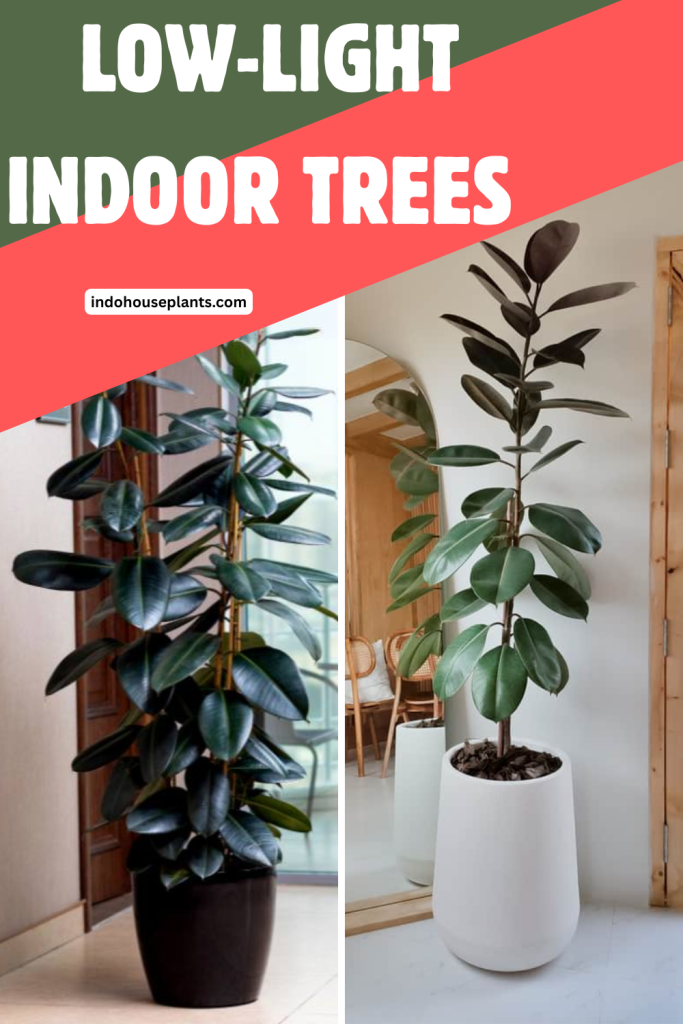
Four Indoor “Tree” Plants That Truly Tolerate Low Light
Instead of dragging you through dozens of options, here are my top four actual survivors—the ones I’ve lived with in apartments where sunlight was more rumor than reality. If you want names to take straight to the garden shop or IKEA, grab these:
1. ZZ Plant (Zamioculcas zamiifolia)
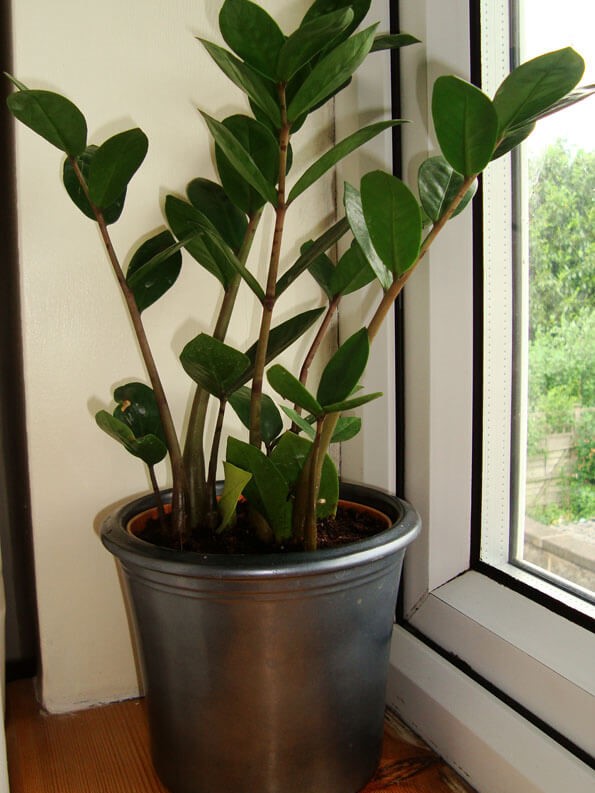
- Why it works: Practically indestructible. Thick potato-like roots store water for weeks.
- Watering: Let the soil dry out completely; every 2–3 weeks is usually fine.
- Light needed: Happy even with nothing but fluorescent bulbs.
- Pro tip: Ignore it more than you think you should.
2. Dracaena ‘Lisa’
- Why it works: Tall, glossy leaves on canelike stems; tolerates neglect and low light.
- Watering: Water once soil is halfway dry; about every 2 weeks in winter.
- Light needed: Survives in an office corner or hallway.
- Pro tip: Wipe dust off leaves now and then—it really helps!
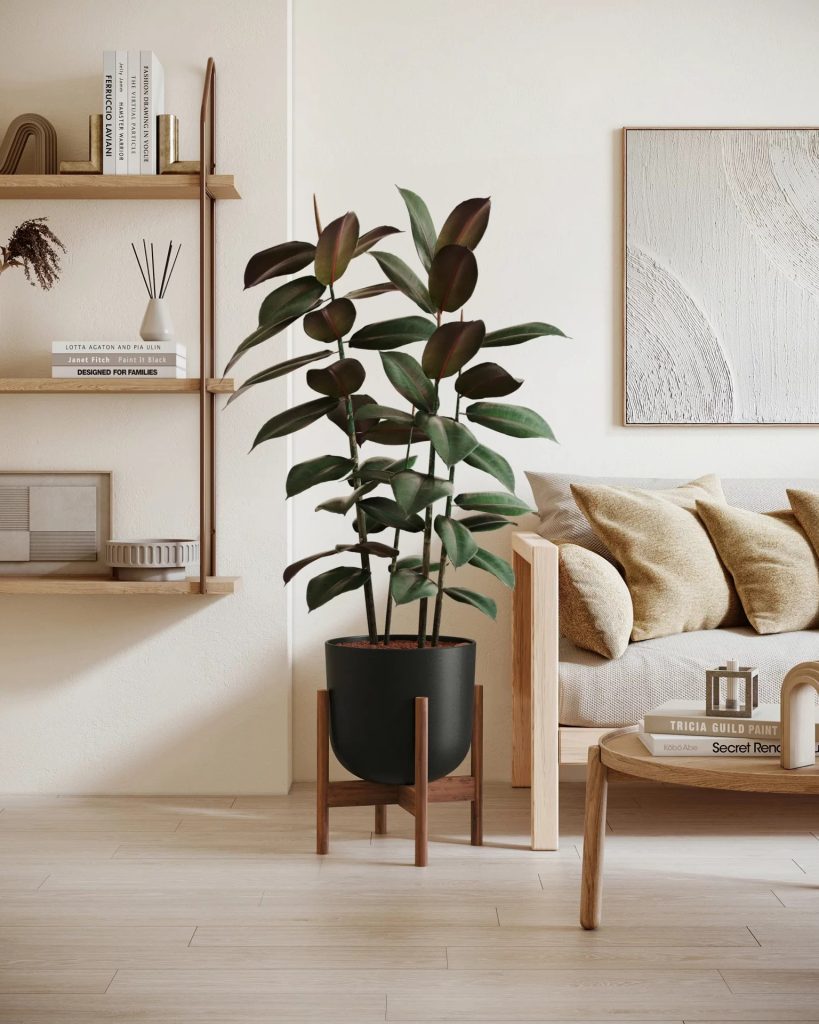
3. Rubber Plant (Ficus elastica)
- Why it works: Looks fancy without being fussy—thick, shiny leaves don’t dry out as fast as most figs.
- Watering: When the top inch of soil is dry—usually 10-14 days apart.
- Light needed: Grows slower in low light but can survive a gloomy spot. No sun needed—just don’t put it right next to an icy window.
- Pro tip: Rotate the pot occasionally so it grows evenly.
4. Cast Iron Plant (Aspidistra elatior)
- Why it works: Named because you almost can’t kill it; real Victorian vibes.
- Watering: Let soil dry between waterings (every couple weeks).
- Light needed: Legitimately fine far from windows!
- Pro tip: Slow grower—don’t panic if nothing changes for months.
Honorable mentions: Corn plant (Dracaena fragrans) and Parlor palm (Chamaedorea elegans). Both can handle less-than-ideal light and don’t throw dramatic tantrums if neglected.
Got Five Minutes? Here’s How to Set Yourself Up for Success
Forget perfection. Here are my actual steps after years of trial (and lots of error):
- Pick one plant from above you genuinely like—not just what’s trending on Instagram.
- Put it somewhere visible, but skip anywhere right next to a heating or AC vent—you don’t want gusts blowing directly on new leaves.
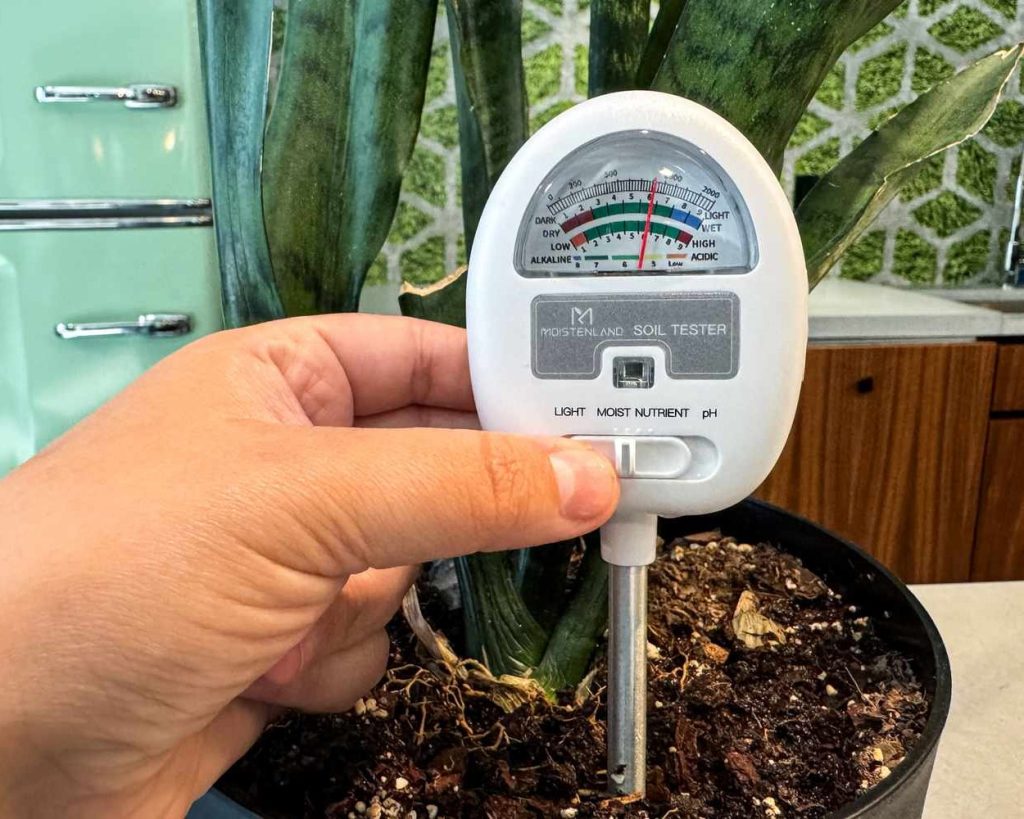
- Ignore your watering can unless the top few inches of soil feel dry when you poke with a finger or chopstick.
- Set a phone reminder to check on your plant every other Saturday—think “Check on Big Lou” instead of “WATER NOW!”
- Count new leaves or shoots as wins—even tiny ones!
And if things go sideways? Every brown leaf is just proof you’re actually learning.
What Trips Most People Up (And How To Dodge It)
A few honest admissions:
- Ferns in dark bathrooms = heartbreak. They want spa-level humidity and some daylight—not worth the emotional rollercoaster.
- Fiddle-leaf figs look amazing online but are drama queens in low light.
Start easy on yourself. The plants above won’t sulk just because life gets busy.
Quick Reference Cheat Sheet
| Plant | Light Needs | Watering Guide | My Real-Life Rating |
|---|---|---|---|
| ZZ Plant | Very low–bright | Every 2–3 weeks | Never dies—even if you forget |
| Dracaena Lisa | Low–moderate | Every 2 weeks | Quiet champion |
| Rubber Plant | Low–moderate | Every 10–14 days | Forgiving + looks chic |
| Cast Iron Plant | Truly low | Every couple weeks | As tough as its name |
Encouragement From Someone Who Kills Plants Too
Look—nobody gets all this right at first. Greenery doesn’t care if your bed isn’t made—it just does its thing slowly in the background.
Start with one sturdy plant now, and by next season you’ll feel ready—and probably proud—to try another. Imperfect counts as thriving too.
Got questions? Throw them my way—I’ve probably been there!