Why Cabbage Patch Design Feels So Different (And Why That’s a Good Thing)
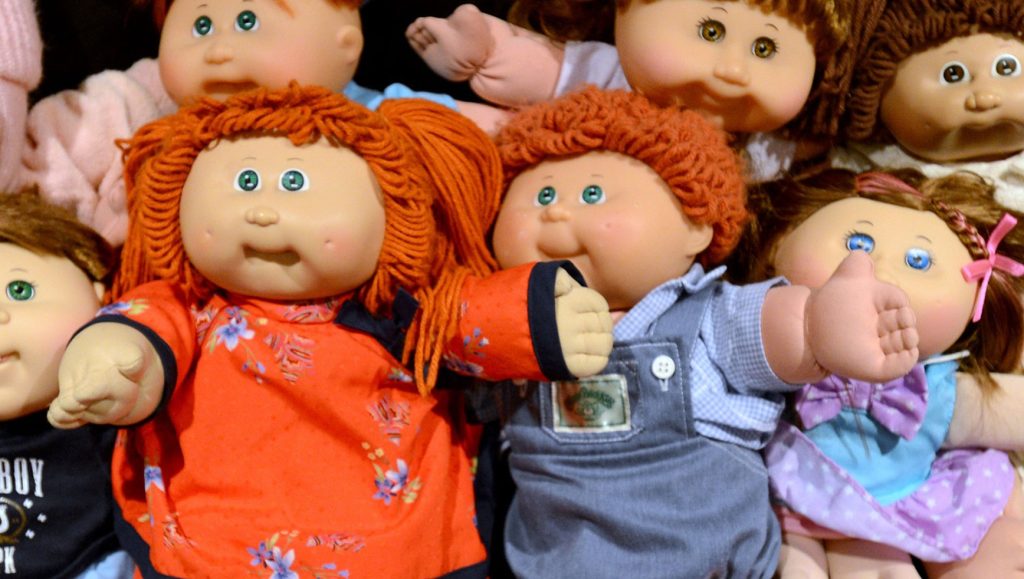
Back in the late ’70s and ’80s, dolls were either mass-produced with cookie-cutter faces or ultra-realistic and glossy. The Cabbage Patch Kids flipped that on its head by embracing the handmade. The result: each doll has its own personality printed right into the subtle quirks of its face and body.
Think of it this way: the dolls look like a grandparent lovingly stitched them while humming a lullaby, not something pumped out by a machine. For example, their embroidered eyes never perfectly match; one might be a tiny bit lower or a shade wider.
I once watched an unboxing video where a collector pointed out how the doll’s cheek blush fades unevenly—something a factory wouldn’t typically allow, but that unevenness makes the doll feel human. You can almost imagine the doll blushing from a shy smile.
The soft, rounded limbs are another signature, so the dolls invite touch and hugging. It’s no accident the bodies call to mind baby chubbiness—that warmth and cuddliness feels intentional.
Here’s What Most People Miss About the Style
Most people talk about Cabbage Patch Design as embroidered faces and cute hair, but the deeper secret is how imperfection becomes the heart of its charm.
When I tried replicating the style in my own art, I realized it wasn’t just the details but the subtle “mistakes”—a slightly crooked smile, a yarn hair strand poking out weirdly—that bring the look alive. It reminded me of my grandma’s quilts, where no two squares are exactly the same but the entire piece is beautiful as a whole.
The lesson? Don’t aim for symmetry or flawless lines. Let the character evolve naturally. When I started loosening up, my designs suddenly took on more warmth and personality.
The Nuts and Bolts: Recognizing and Using This Style
If you want to pick apart or apply Cabbage Patch Design to your own work, focus on these practical things:
- Celebrate Imperfection: Look for uneven stitching, slight asymmetry, or quirky little details. When sketching, don’t worry if an eye is a bit off—they add life.
- Soft, Rounded Forms: Instead of sharp edges, think gentle curves—chubby limbs, rounded cheeks, oval faces.
- Texture is King: Embroidery threads, yarn hair, or felt textures add not just visual interest but a tactile feel.
- Play with Expression: Small changes—a tilt of an embroidered eyebrow—can create shy, curious, or mischievous moods.
Real-World Inspiration You Can Actually Interact With
Images only tell part of the story. I’ve found the best way to really understand this style is seeing and touching originals—whether that means hunting down vintage dolls at thrift stores or diving into collector forums where unboxers show every stitching detail.
Also, some indie plush artists today are keeping this style alive. Following them on Instagram gave me fresh ideas for character design in illustration and even digital art.
When You Feel Stuck: Lessons from My Own Journey
I remember feeling frustrated trying to get the “handmade” feel digitally. It took me a while to realize that digital tools need to loosen up, to allow a bit of wobble and roughness.
So I tried using embroidery apps and even dabbling with real embroidery. The practice gave me an intuitive feel for spacing stitches and creating subtle variations in thread thickness.
Why You’re Way Closer Than You Think to Mastering This Style
You don’t need fancy sewing machines. I started with a hoop, some embroidery floss, and scrap cloth. My first stitches were wonky, but every attempt brought me closer to understanding how tiny imperfections become a doll’s personality.
The real takeaway? This design style isn’t about flawless replication—it’s about giving your piece the warmth and individuality of a handcrafted treasure.
Quick, Actionable Steps to Dive In
- Watch videos of vintage Cabbage Patch Kids—note stitching and expression differences.
- Sketch with intent: Play with uneven eyes or mouth shapes.
- Try embroidery: Even basic stitches deepen your understanding.