Okay, confession time: I used to treat my plants like moody houseguests, fussing over them with a watering can in one hand and a humidity gauge in the other. Every time a leaf looked droopy? Instant panic—should I water more? Less? Repot? Whisper affirmations? Honestly, the internet made it sound like caring for a plant required an advanced degree.
But here’s what most people don’t realize (and experts rarely admit): drooping plants are usually just asking for something super basic—a little attention to their roots and routine. It’s not rocket science, promise.
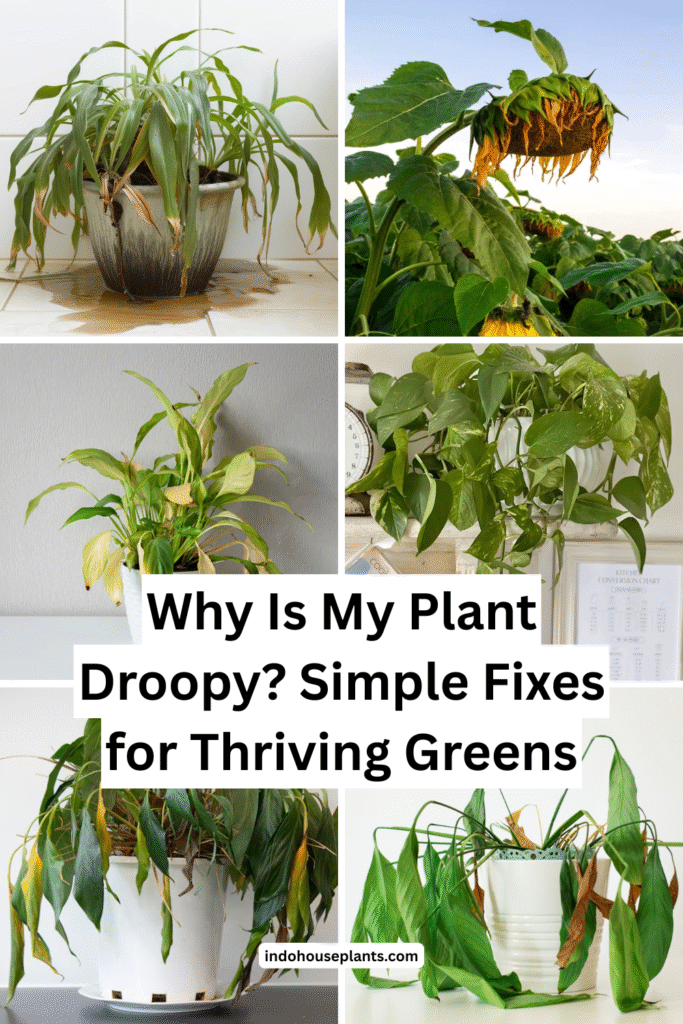
Why is my plant suddenly looking floppy?
Nine times out of ten, this isn’t some dramatic disease or complicated nutrient deficiency. It’s hydration drama—either too thirsty or drowning. If you’ve ever left spinach in the fridge a week too long (guilty), you know the look: limp, lifeless, kind of sad.
The trick nobody talks about is to skip all the gadgets and go back to what your grandma might’ve done—just stick your finger in the dirt. Feel around about an inch deep.
- Dry as toast? Water it right away and don’t be shy—let it soak until you see water drip from the bottom.
- Feels swampy or heavy? Step away from the watering can! Plants need some air down there; soggy roots can’t breathe.
Between you and me, I’ve rescued more than one spider plant by lifting its pot—it should feel surprisingly light when it’s “thirsty.” Too heavy means it’s still sipping last week’s drink.

What if my plant’s been droopy for days—is it doomed?
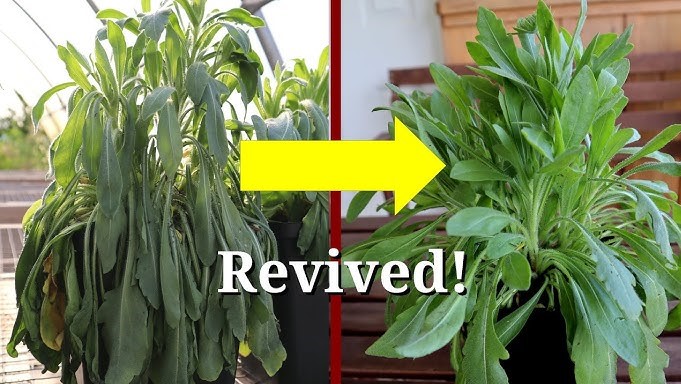
Nope! Most plants are like that friend who bounces back after a bad day. Example: One winter, I forgot to water my pothos while binge-watching The Office reruns. A full two weeks later, yellow leaves everywhere. But after a deep soaking (and cutting off the crispiest bits), it was thriving again within days.
Here’s what most people don’t know: As long as roots haven’t turned into mushy spaghetti (take a peek if things get dire), there’s still hope.
How often should I actually water these things?
Forget those charts that tell you “every six days at 4 p.m.” Unless you keep your home at 72°F with perfect light and humidity (no judgment if you do!), real life is messier than that.
- Smaller pots dry out faster—imagine espresso vs. soup mug
- Cacti want fewer drinks; ferns are drama queens without regular moisture
- In summer, your plants will guzzle more; in winter they’re practically on hibernation mode
My rule these days is simple: check once per week by touch—not calendar alert—and adjust from there. So much less stress.
Could something else be causing this flop-fest?
Absolutely—and half the time, even experienced folks overlook these:
- Drafts from AC or heaters (my old Boston fern wilted every Monday until I realized it was right under a vent)
- Recent repotting (plants get cranky when moved—give them time)
- Unseen bugs burrowing through roots (if soil smells really funky or creepy-crawlies appear, check for gnats)
I once had a succulent slumping dramatically for weeks before realizing it was living in decorative pot purgatory—with zero drainage holes! Lesson learned: always poke around below deck before diagnosing aboveground problems.
Still drooping after all this? Time to get hands-on:
- Gently slide your plant out of its pot—no NASA skills required.
- White/firm roots = winning
- Brown/slime = trim those baddies off with clean scissors
- Check for pests hiding or weird gunk on stems/leaves
- Make sure sunlight isn’t secretly burning tender leaves—or plunging them into darkness
If nothing looks wrong but the funk remains: sometimes they just need patience and fresh soil. No shame in popping down to your local greenhouse for advice—bring pictures! The American Orchid Society has a great, simple guide on assessing plant roots that applies to most houseplants.
Plant-parent fails & fixes I’ve lived through:
- My peace lily once staged an Oscar-worthy collapse when buried under mulch… but perked up within 24 hours after unearthing it and giving proper water.
- Jade plant drowning party—from overwatering AND no drainage (classic double-whammy). It survived repotting and has outlived two apartments since.
- That Boston fern drama under office AC that resolved simply by moving two feet away from airflow—a reminder location matters way more than anyone thinks.
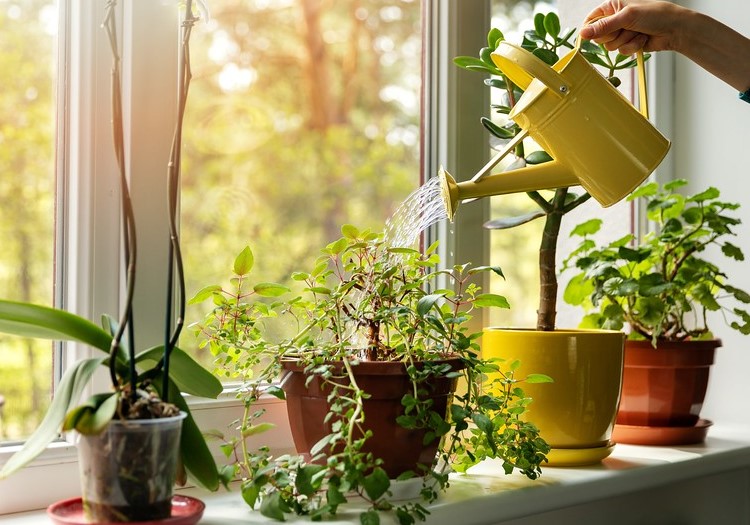
Quick tips if you’re forgetful or busy (aren’t we all?)
- Self-watering pots honestly changed my game—the cheap IKEA ones work fine!
- Grouping several plants together keeps moisture higher; think “plant community support system”
- Set recurring reminders until checking becomes habit
- If traveling, buddy up with a neighbor—even non-gardeners can pour water once per week!
And hey—I totally get feeling guilty over wilted leaves or crunchy stems. It happens to everyone starting out (or distracted by life). Killing a few plants is basically initiation into “real” plant parenthood—it means you care enough to notice and try again.
Plants aren’t judging you—they’re just giving feedback (“Um… help?”). Next round will be smoother because now you actually know what droop means.
Before spiraling into Google rabbit holes or buying fancy meters:
- Poke soil.
- Adjust watering only if needed.
- Look around for sneaky drafts/dodgy spots/pests.
- Snip any dead parts—but leave most green on!
Give ‘em some love—and yourself credit for learning their language along the way.
Trust me, you’ve got this! And if anything looks grim after another week or so… send me pics or take them to someone who loves poking through struggling pots as much as I do at our local nursery. Sometimes all that’s needed is another pair of eyes—and maybe one less gadget between you and your leafy pals!