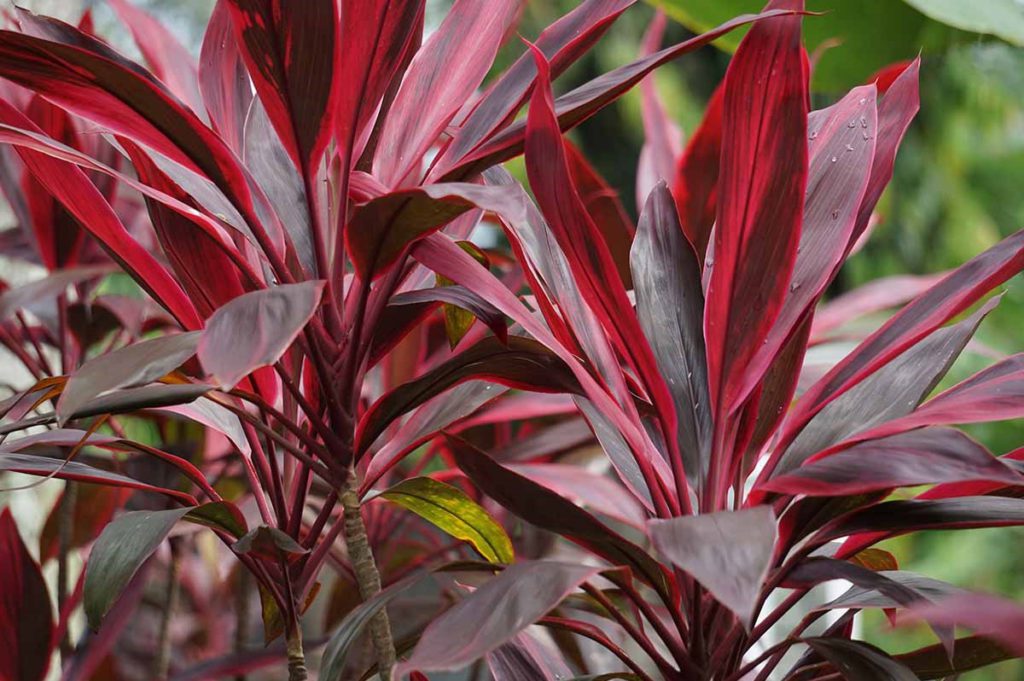
When I first brought a Cordyline care into my apartment, it felt less like a plant and more like a leafy statement piece demanding attention. Their bold, sword-shaped leaves—sometimes deep burgundy, sometimes a fiery pink—make them instant focal points. Getting the styling right isn’t just about botany; it’s about marrying their tropical drama with your personal space and lifestyle. Here’s how I learned to make my Cordyline planter not just survive but shine.
The Soil Secret Nobody Tells You About
Everyone talks about good drainage, and sure, that’s crucial, but here’s what most people don’t realize: Cordylines are a bit picky about soil texture. It can’t just be well-draining; it needs to hold a whisper of moisture without turning soggy.
My go-to mix is two parts chunky potting soil (think loamy, rich stuff) to one part perlite — but not sand as a rule. Sand can compact over time and choke the roots. Perlite gives airy pockets that actually breathe.
Once, I tried a store-bought succulent mix, thinking “if it’s good for cacti, it’ll be good for Cordylines.” Big mistake. The roots suffocated and the leaves curled up like old parchment. Lesson learned: tailor the mix with some organic matter, never just inorganic grit.
Picking and Prepping Your Planter: It’s More Than Just Drainage
Drainage holes are non-negotiable, but the choice of container also sets the tone for your plant’s personality. I’ve gone through everything from an earthy terracotta pot that lets my Cordyline breathe (literally, it wicks moisture away naturally) to a sleek black ceramic planter that’s heavy enough to keep the tall stalk steady.
Fun tip: if you love a pot without drainage holes (because style matters, right?), use it as a cachepot—a decorative outer pot—and always keep your Cordyline in a well-draining nursery pot inside it. Keeps things chic and safe.
Planting Depth and the “Crowd or Solo” Debate
One of the first times I repotted a Cordyline, I inadvertently buried the stem too deep. Within weeks, the base started rotting. What I learned is to plant the stem just at soil level, not deeper. Roots want to spread sideways, not drown.
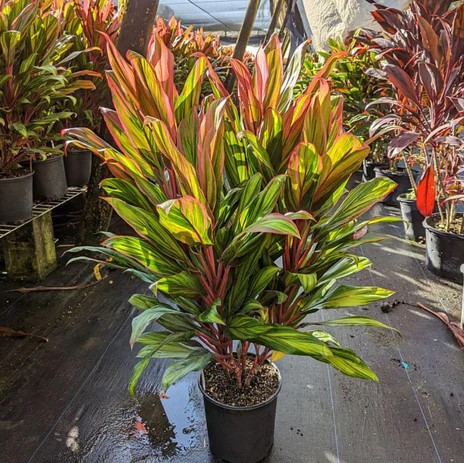
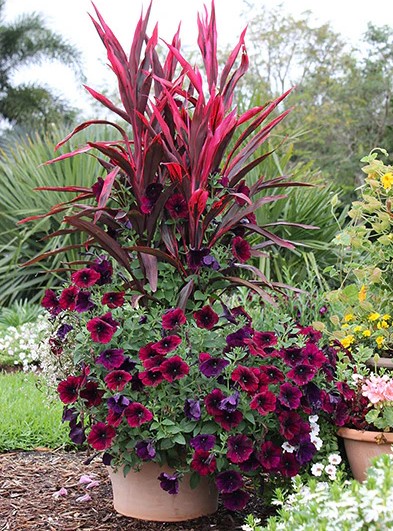
For a bolder look, I like planting clusters of smaller Cordylines—different colors, like ‘Red Star’ mixed with a green variety—giving that mini jungle vibe in one pot. Just keep about 6-8 inches between each plant so they don’t fight underground. If your space is tight, a single striking Cordyline can be all you need; these plants do a lot of heavy lifting visually.
Layering with Other Plants: The Textural Dance
Cordylines are attention grabbers, but pairing them thoughtfully takes your planter styling up a notch. I’m a sucker for contrast—pairing a Cordyline with delicate maidenhair ferns softens its sharp leaves, while low-growing succulents like Haworthia add interesting textures without stealing the show.
An underrated trick? Scatter a mix of natural stones or even polished river pebbles on the soil surface. It not only looks polished but helps keep moisture steady and deters pests—plus, it’s one of those satisfying tiny rituals to do when you water.
Lighting My Cordyline Journey: Lessons from Burns and Lackluster Growth
Cordylines crave bright, indirect light but can’t tolerate blistering sun. Early on, I placed mine by a south-facing window and ended up with crispy leaf edges that looked more “fried snack” than tropical beauty. Moving it to a bright, east-facing spot made all the difference.
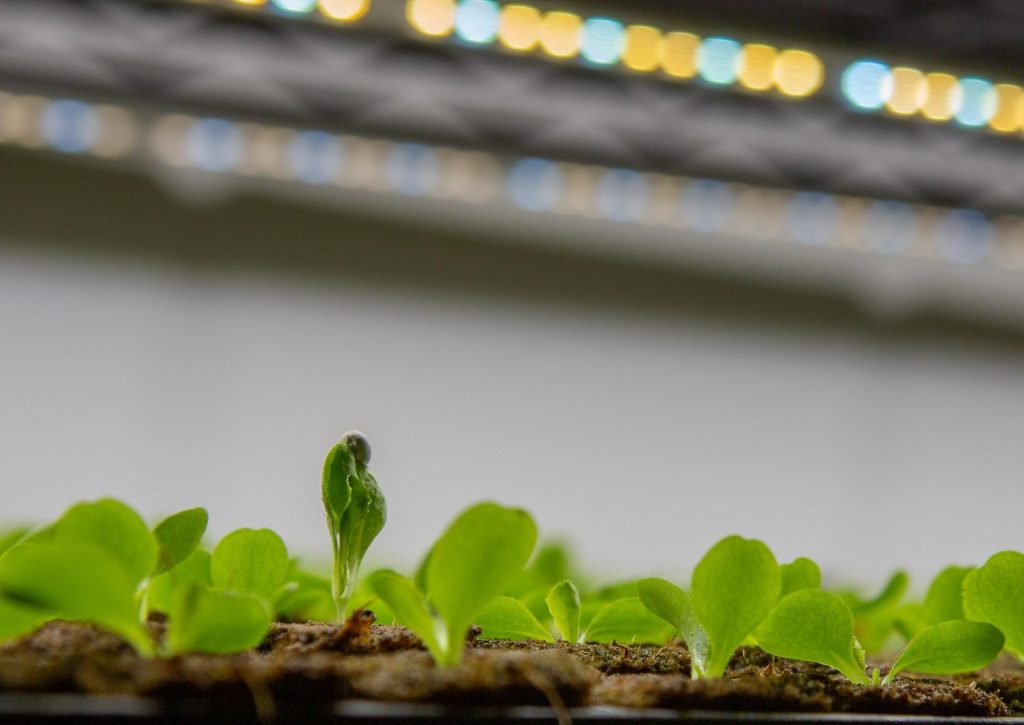
If your natural light is blah, investing in an affordable LED grow light can flip the script. My Cordyline perked up vividly under 10 hours of indirect LED light daily during the dreary winter months. The GE Balanced Spectrum LED Grow Light is a great, affordable option you can find at most hardware stores.
Real-Life Styling Ideas I Swear By
- The Urban Jungle Statement: A tall, slender black planter with a single red Cordyline ‘Red Star’. I surround the base with dark volcanic rock pebbles that keep moisture right and add an earthy, modern vibe.
- Tropical Cascade: In a large terracotta pot, I cluster Cordyline varieties of different foliage colors and heights, then cascade trailing pothos over the edges. It’s like a mini tropical rainforest on my balcony.
- Desk-Friendly Charm: For my workspace, I went with a woven basket planter lined with plastic. A small green Cordyline sits with jade succulents that don’t need much attention but add that contrasting texture.
What Went Wrong & How I Fixed It
- Yellowing leaves? I first blamed the fertilizer, but actually, I was overwatering. Adjusting the watering schedule and repotting in more aerated soil saved the day.
- Brown tips? Turns out my apartment had cruelly dry winter air. Adding a humidifier and spritzing with filtered water made those leaf edges soften up.
- Stunted growth? Repotting every 1-2 years with fresh nutrient-rich mix and feeding with diluted (half strength) balanced fertilizer during spring and summer revived my plant’s vigor.
The Heart of Styling Your Cordyline: Make It Yours
Forget perfection. What I love most about Cordylines is that they come with built-in drama—getting the soil right and picking a planter with love is the foundation. Beyond that, your Cordyline becomes a living, growing work of art that changes as you do.
So, if you’ve been hesitating because it seems tricky, start with these simple steps, feel the texture of the soil, admire those bold leaves, and tweak as your Cordyline grows. Your space—and your plant—will thank you for it.
Try This Today
- Hunt down a pot with drainage holes or get creative with a cachepot setup.
- Mix 2 parts potting soil with 1 part perlite for that perfect Cordyline soil.
- Repot your plant carefully — think “just covering the roots without smothering.”
- Find a cozy, bright spot but shield it from harsh direct sunlight.
- Scatter some pretty stones or tuck in a companion plant or two if you like.
- Water when the top inch feels dry — no guessing games.
Embracing your Cordyline’s boldness and quirks turns planter styling into a rewarding, almost meditative craft. Plus, watching it grow leaves you with something truly tropical and uniquely yours.