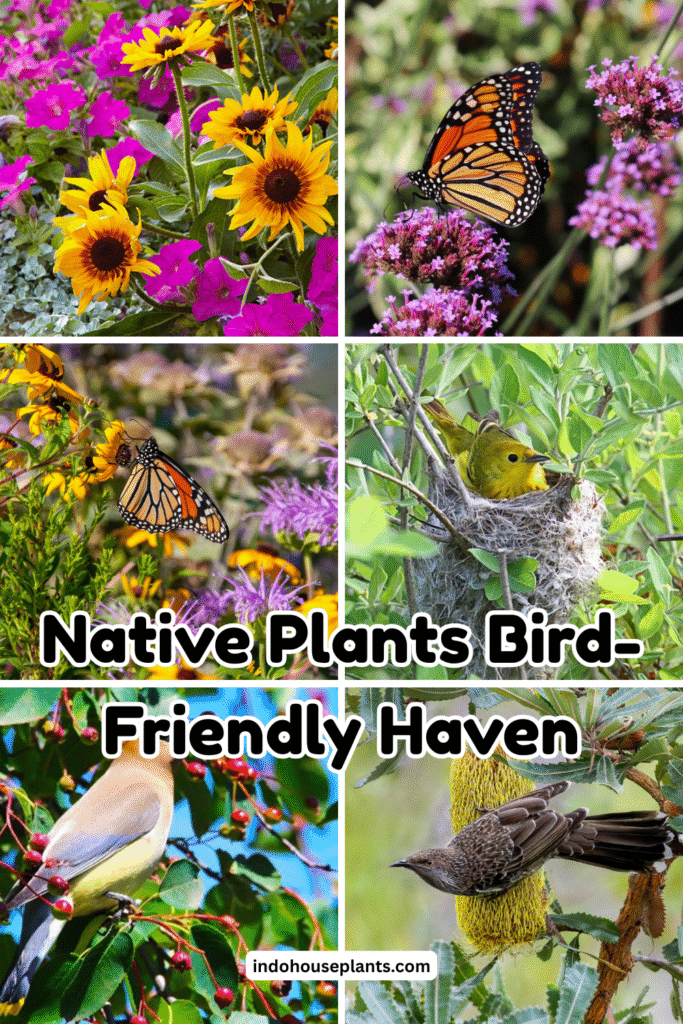
When I first started turning my yard into a bird-friendly oasis, I had no idea how profoundly it would change not just my space, but how I connected with nature. The secret isn’t just about planting any flowers or shrubs—it’s about understanding the subtle dance between native plants and local birds that has evolved over centuries.
Here’s what most people don’t realize: choosing plants your local birds actually rely on creates a dynamic, thriving ecosystem right in your backyard, instead of a pretty but empty garden.
Why Native Plants Matter More Than You Think
I used to think any flowering shrub would attract birds. But after swapping out some generic ornamentals for native species like elderberry and spicebush, the difference was night and day. Not only did berry-eating birds like robins and waxwings show up in droves, but insectivores like chickadees and warblers arrived too, hunting the insects those plants naturally support.
It’s like flipping a switch—native plants are basically an all-you-can-eat buffet tailored to your local birds’ tastes.
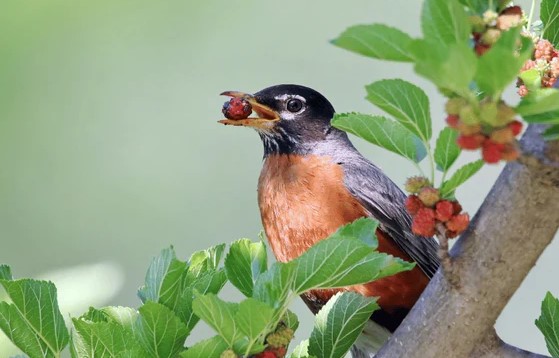
For example, my serviceberry tree was a game-changer in early summer. The berries were a magnet for songbirds, and the plant’s dense branches gave fledglings a perfect hiding spot from neighborhood cats. That kind of shelter is just as important as food, and native plants tend to offer both.
Think Beyond Plants: Creating a Full Habitat
I quickly learned that food alone isn’t enough. Birds also need secure shelter and water sources. That’s where layering your landscape comes in. Imagine walking through a forest—there are towering trees, tangled shrubs, and soft groundcover all at once, providing different birds with varied niches.
Replicating that vertical diversity invites a wider range of species. One year I left a thicket of dead branches standing (carefully, and away from my house), and it became home to woodpeckers and chickadees who drilled natural nest holes.
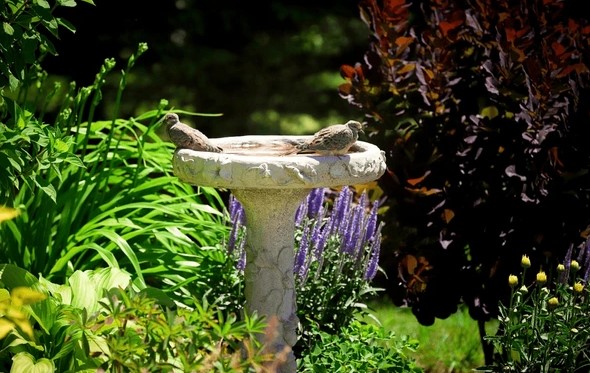
Water is another often overlooked attractant. Adding a simple shallow birdbath was enough to get my backyard humming with activity. But here’s a trick: birds are especially drawn to moving water. Adding a small solar-powered fountain or dripper lifts your birdbath from ‘nice to have’ to ‘bird magnet’ status.
Chemical-Free Isn’t Just Buzz—It’s Essential
Here’s what really hit home for me: any pesticides or herbicides—even “safe” ones—mess with the delicate insect populations that many birds depend on. I had to make a conscious shift to chemical-free gardening not just for the birds, but for the whole neighborhood ecosystem.
Sure, it meant a few more caterpillars munching leaves, but that’s a good problem to have. Those caterpillars eventually became breakfast for a whole flock of insect-loving birds. For more on this, the National Wildlife Federation has a great guide on why native plants are crucial.
Dealing with Common Hurdles (Because I’ve Been There)
- Not sure what’s native in your area?
Local botanical gardens and native plant societies are gold mines. I found that attending a native plant workshop helped me bond with folks who were just as passionate—and often had cuttings or seeds to share. - Small garden or balcony?
Don’t underestimate containers! A pot of native milkweed or coneflowers near a sunny window can bring pollinators and small birds right up to your door. I once attracted a hummingbird to a pot of native trumpet creeper on my tiny patio—that was a joyful surprise! - Worried about pests?
Nature balances itself when you let it. Those “pests” often become bird food. I simply accepted a slightly less-than-perfect rose bush to ensure a steady supply of caterpillars for nesting birds. - Not a green thumb?
Start with forgiving natives—serviceberry and black-eyed Susans are tough cookies. Once these plants settle in, they’re low maintenance because they’re adapted to your area’s climate and soil.
Real-Life Wins Worth Sharing
- One spring, I planted a row of spicebush along a fence. Within weeks, the tiny, bright berries attracted a flock of cedar waxwings, who stayed long enough for me to snap photos. The bonus? The dense, aromatic leaves also provided cover from the neighborhood hawk.
- Setting up a birdbath under a flowering dogwood tree introduced me to cardinals, who’d sing from the branches while taking turns at the water below. It turned my backyard into a personal concert venue.
Simple Steps to Get You Going Tomorrow
- Google “native plants for [your location]” and bookmark the top three lists you find.
- Visit your local garden center or native plant nursery and pick one or two hardy natives to start—serviceberry or coneflower are excellent.
- Set up a shallow, clean birdbath near these plants and add fresh water daily.
- Create at least three different vegetation layers: a tree, a taller shrub, and a groundcover.
- If possible, leave a small “wild patch” or brush pile for natural shelter.
- Spend 10 minutes a day just watching. Note who comes, what they eat, and where they perch—this will help you refine your garden over time.
Why This Matters on a Bigger Scale
Your little patch of bird-friendly habitat is more than garden decoration; it’s a vital stepping stone for migrating birds and a sanctuary for species coping with shrinking wild spaces. I love knowing that my landscaping choices are helping birds survive and thrive amidst increasing urban sprawl.
It’s a deeply rewarding feeling seeing a sweet, wild creature trust your yard as a safe haven. You can learn more about creating certified wildlife habitats at Audubon’s Native Plants Database.
Starting a bird-friendly garden isn’t just a project—it’s a doorway into a richer relationship with the seasonality, rhythms, and wild neighbors around you. And trust me, once you make that connection, your outdoor space becomes one of the happiest parts of your day.