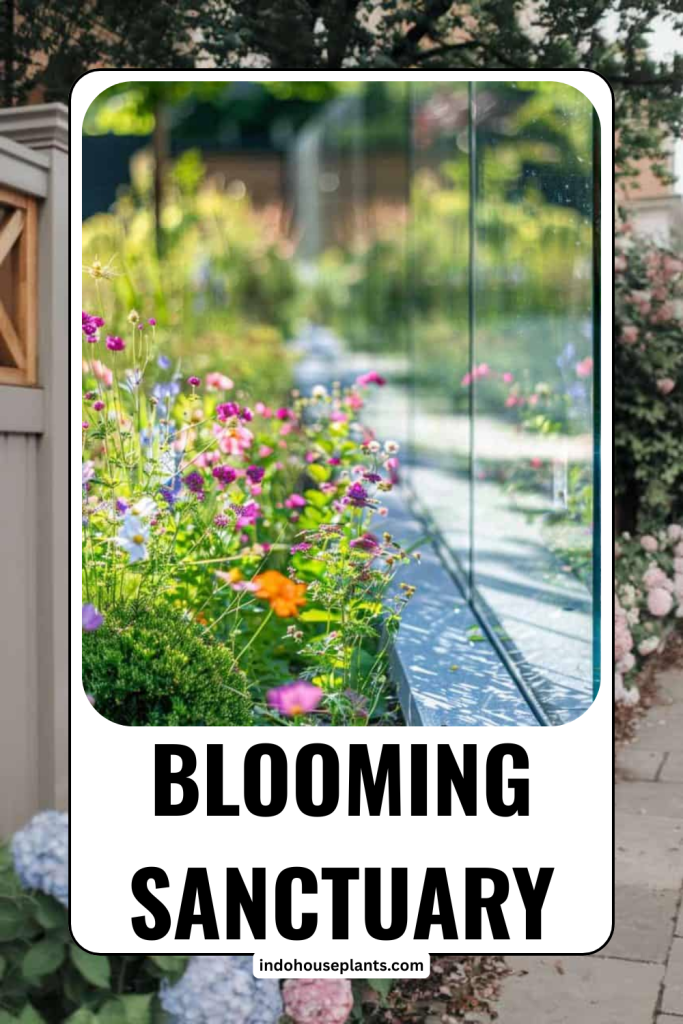
Turning a fence line into a blooming sanctuary can genuinely change not just the look of your yard, but how you feel when you step outside. I’ll share a bit from my own trial and error, because while the basics are straightforward, the magic really comes from understanding your space and getting a little creative with plants and support.
Don’t Just Plant—Create a Living Tapestry
When I first tackled a dull wooden fence in my backyard, I realized I was just throwing in plants hoping for coverage. What made the difference was choosing a mix of vines and shrubs that bloom at different times and layering textures.
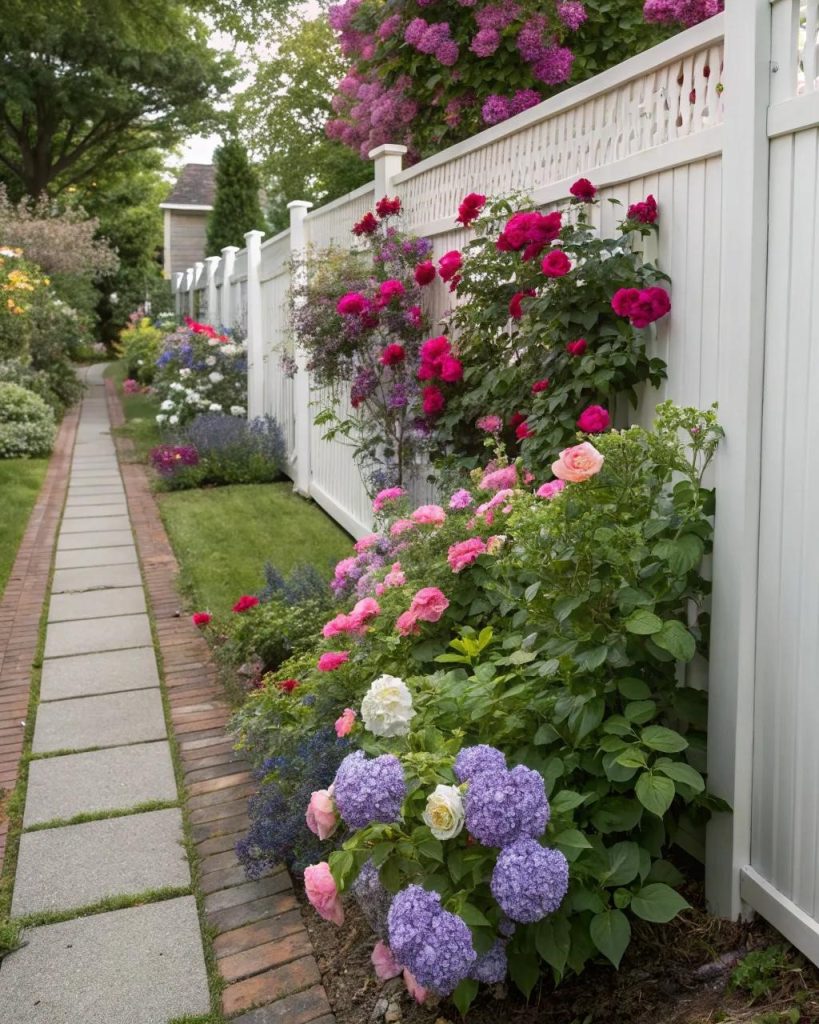
For example, I paired crimson trumpet vine with lavender bushes at the base. The trumpet vine quickly took over the fence with those fiery blossoms that hummingbirds instantly adored, while the lavender kept the lower part smelling amazing and buzzing with butterflies.
Most people don’t realize the benefit of combining tall climbers with scent-rich shrubs near the ground—it multiplies the sensory experience.
How to Approach Your Blooming Fence Line Project With Less Stress
1. Get to Know Your Fence’s “Microclimate”
Sunlight and soil aren’t always as obvious as they seem. My fence was under a large maple tree, and though it got some sun, those dappled shadows turned out to be a game changer.
That meant morning glories struggled initially, and switching to shade-tolerant hydrangeas made all the difference. Here’s a little tip: come back to your fence several times during the day to notice how the light moves—this daily dance will guide your plant choices better than any soil test.
2. Don’t Underestimate Support Structures
Early on, I thought I could just lean vines against my fence. Nope. Once I installed thin wire grids in a criss-cross pattern, the vines weren’t just climbing—they were thriving, creating a thick floral wall.
You can find simple trellis kits or get DIY with wooden lath or galvanized wire. It’s worth investing in solid supports—once the plants start growing, training them is way easier.
[IMAGE: Close-up of a vine climbing a wire grid trellis]
3. Experiment With Layered Planting
One mistake I made was planting everything in a straight line right at the fence base. What worked better was staggering plants 6 to 12 inches from the fence, which gave roots space and created natural depth.
Plus, placing some fragrance-heavy plants like honeysuckle slightly forward made that scent invade your senses as you walk by.
No-Fail Plants That Bring Their Own Stories
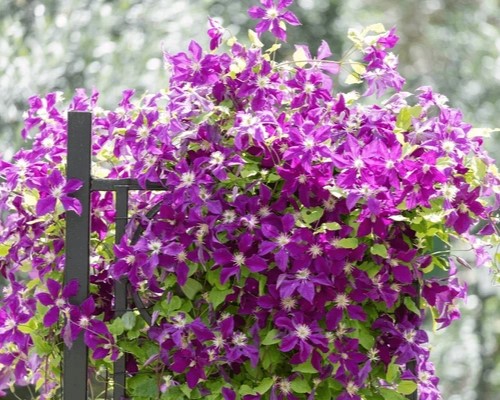
- Clematis: The charmer of my garden. The trick is giving it shade at the roots but sun above—I planted low-growing thyme at the base to protect roots from heat.
- Climbing Roses: These can be divas, but the rewards are stunning. After adjusting compost and watering routines, mine came back with a vengeance.
- Honeysuckle: A total pollinator magnet and genuinely forgiving. My neighbor’s honeysuckle almost took over their whole fence, but it felt alive and wild—in a good way.
- Morning Glory: Instant gratification if you want a splash of color in a single season. Try unusual colors like striped or white varieties.
Pro Tips Most People Don’t Mention
- Train your vines early and gently. Use soft garden ties or old fabric strips to secure stems—less damaging than plastic or wire.
- Don’t overlook soil prep. Mixing in bone meal and compost before planting works wonders, especially for heavy clay soil.
- Water wisely. Deep watering once or twice a week encourages roots to grow deep—priceless during dry spells.
Real-Life Inspiration
- Sarah’s “Pollinator Paradise” Fence: Butterfly bush with white clematis and lavender became a stopover for migrating butterflies.
- Tim’s Rustic Vineyard Vibes: Grapevines on rustic wire gave seasonal grapes and fragrant flowers—plus wildlife loved it.
Troubleshooting Tips
- Slow growth? Give plants a year! Trim weak tips to focus energy on roots.
- Fence too dark? Try shade lovers like ferns and hydrangeas with tall, thin dogwoods.
- Pests? A mix of neem oil and mild soap spray keeps things manageable.
Your First Small Steps
- Stroll along your fence at different times—notice light, breeze, and bird activity.
- Chat with a local nursery about native vines.
- Pick one “easy win” plant like clematis or honeysuckle and plant a few this weekend.
- Set up trellis or wire supports ahead of time.
- Keep a journal to track growth and bloom times.
A blooming fence line is more than decoration—it invites life, beauty, and calm right to your doorstep. Starting small and experimenting will turn your fence into an ever-changing oasis.