I remember the first time I planted a little patch of aromatic shrubs in my own backyard—it wasn’t just about adding greenery but about creating a sense of calm and connection. It’s funny how something as simple as a few fragrant shrubs can transform a corner of your outdoor space into a tiny sanctuary.
Aromatic shrubbery might sound fancy, but really it’s an invitation to bring a bit of nature’s perfume right to your doorstep.
Here’s what most people don’t realize: aromatic shrubs don’t just smell nice—they quietly shift how you experience your environment. When I breathe in the fresh rosemary or brush past a lavender bush, it’s almost like a small reset button for my brain. The scents aren’t just decoration—they actively help clear the mental clutter.
And if you’re tired of chemical bug sprays, these plants act as natural little bouncers at your garden gate.
Why Aromatic Shrubberies Are More Than Just Pretty Plants
Think back to a favorite memory—maybe a walk through a garden, or a grandparent’s porch wrapped in the scent of jasmine or mint. Aromatic shrubs carry that power. They create mood, atmosphere, and a sense of peace that goes beyond the visual.
A few things I’ve learned from experience:
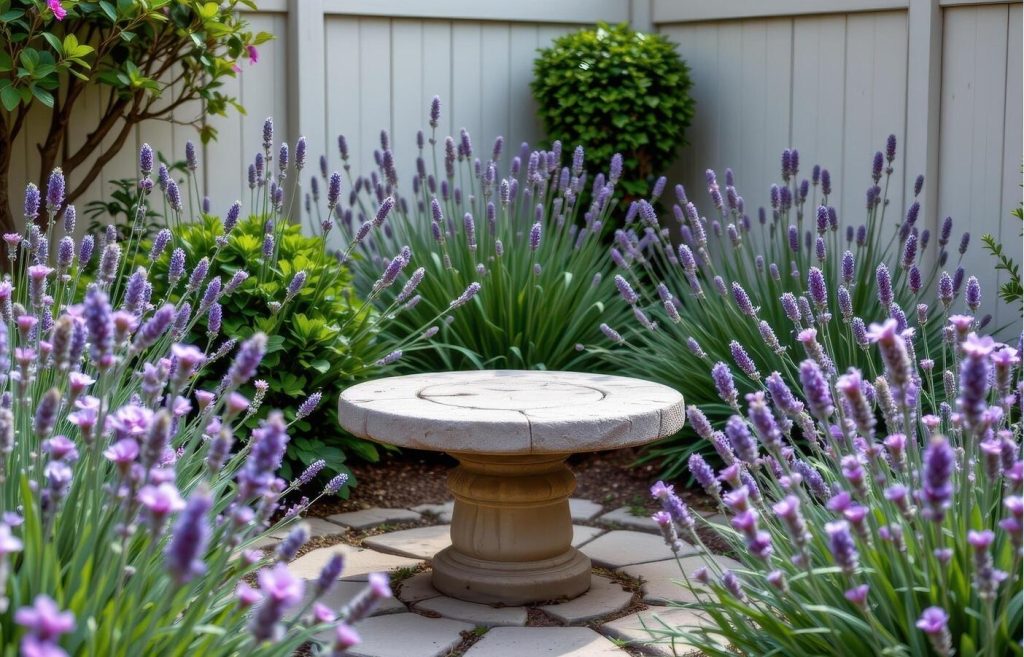
- Calming Ambiance: Lavender’s calming scent literally helps me wind down after stressful days. It’s why I planted it around my patio where I read and sip tea.
- Natural Bug Deterrence: Rosemary and scented geraniums have kept mosquitoes off me during summer evening barbecues—without a single chemical spray.
- Eco-Friendly Pollinator Magnet: When I mixed gardenia and lavender, my garden became a buzzing hotspot for bees and butterflies, which felt like a little victory for the planet.
- Mood Lifter: The act of tending these shrubs—pruning, brushing leaves—stimulates a kind of mindful attention, making gardening its own therapy.
How to Build Your Own Aromatic Shrubbery (Without the Usual Overwhelm)
1. Find That Perfect Sunny Nook
Aromatic shrubs thrive in at least 6 hours of sunlight. In my garden, a spot by the fence that baked in afternoon sun worked wonders. Avoid soggy patches—roots don’t like standing water.
2. Pick Shrubs That Speak to You Personally
I always recommend starting with 2-3 favorites. For me, lavender was a no-brainer because of its fragrance and resilience. Rosemary is a powerhouse for cooking and pest control, and gardenias add that special exotic sweet scent I love.
Pro tip: Mix fast growers like rosemary with slower growers such as gardenias to keep your garden dynamic over time.
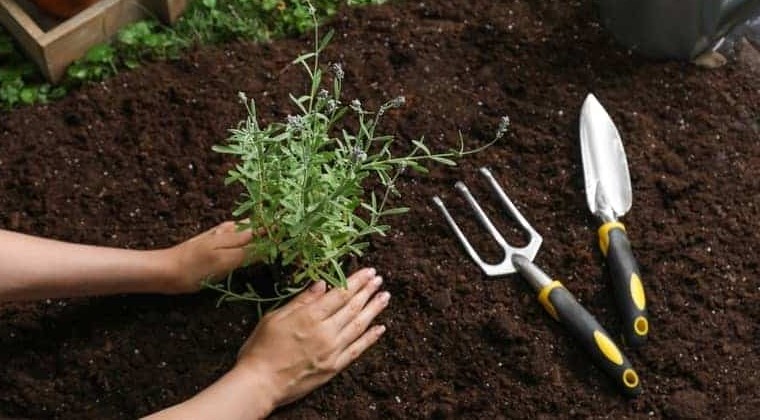
3. Plant With Intention
- Dig holes twice as wide as the plant’s root ball—it helps roots spread easily.
- Space plants 2-4 feet apart so they have room to breathe.
- Soak the soil thoroughly after planting, then keep it evenly moist (not soaked).
- Add a little mulch around the base to hold in moisture and keep weeds down.
4. Treat Them Well
- Annual pruning keeps shrubs vigorous and smelling fresh.
- Feed with a balanced fertilizer in spring for a yearly boost.
Real-Life Garden Stories That Might Inspire You
- The Evening Zen Garden: My friend Sarah turned her bland backyard into an evening retreat with lavender and rosemary. The scent alone helps her forget the day’s worries.
- The Chef’s Secret Garden: Tom keeps rosemary and lemon-scented geraniums near his kitchen window—his cooking now smells like a Mediterranean bistro.
- A Summer Pollinator Party: Maya’s mix of gardenias and lavender attracts bees and butterflies, turning her garden into a wildlife oasis.
When Aromas Are Shy: What to Do
If your shrubs aren’t as fragrant as expected:
- Gently crush or rub leaves to release oils.
- Ensure they get plenty of sunlight—shade dulls their scent.
- Be patient—some plants, like gardenias, take time to mature.
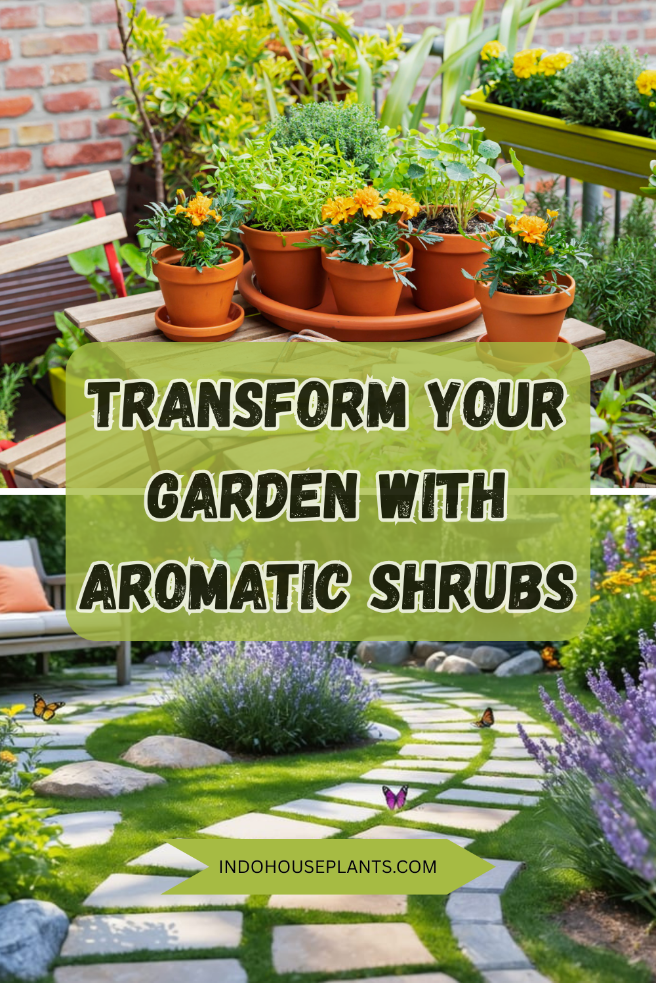
For pests, try companion planting (like marigolds) or natural solutions like neem oil.
Starting Small, Dreaming Big
You don’t need a big garden—even a balcony container with rosemary and lavender can transform your space.
Imagine coming home to your own secret welcome ritual, where nature’s fragrance envelops you.
Ready to Begin? Here’s What I’d Do Today
- Scout a sunny corner—porch, balcony, or garden edge.
- Visit a local nursery and smell lavender, rosemary, or gardenia leaves.
- Grab basic tools: gloves, trowel, watering can.
- Plant, nurture, and enjoy the slow, rewarding journey.