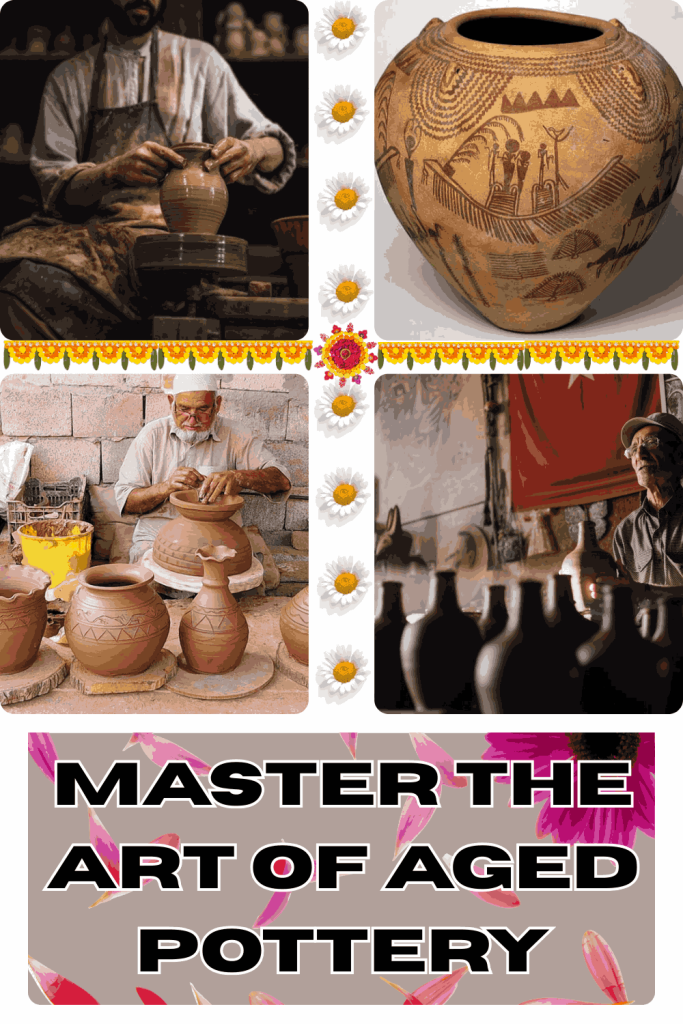
When I first started experimenting with aged pottery for planting, I quickly realized it’s not just about slapping on a vinegar and baking soda mix. To really capture that timeless, weathered vibe—one that looks like your pot has stood through decades of sun, rain, and seasons—you have to understand the chemistry and the personality of each piece.
Here’s something most folks don’t share: the vinegar and baking soda trick isn’t just for show. The acid in vinegar actually reacts with minerals in unglazed terracotta, softly etching the surface and drawing out natural salts to give that subtle chalky, pitted effect.
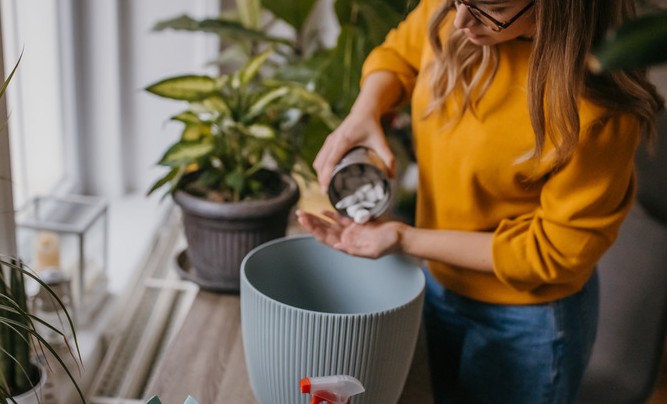
But if you’re not careful, you can end up with a spotty or uneven finish. My go-to move is to lightly dampen the pot first, then sprinkle the baking soda sparingly on the parts I want to highlight. Then I spritz the vinegar mix on in gentle bursts rather than a full spray—this controls the fizz and lets the effect build gradually, kind of like how real aging happens, layer by layer.
If you’ve got a few pots, try this as a mini experiment: treat one section with more baking soda and less vinegar, and another with the opposite. You’ll notice how the texture and color shift. This hands-on variation taught me more about customizing the patina than any tutorial ever could.
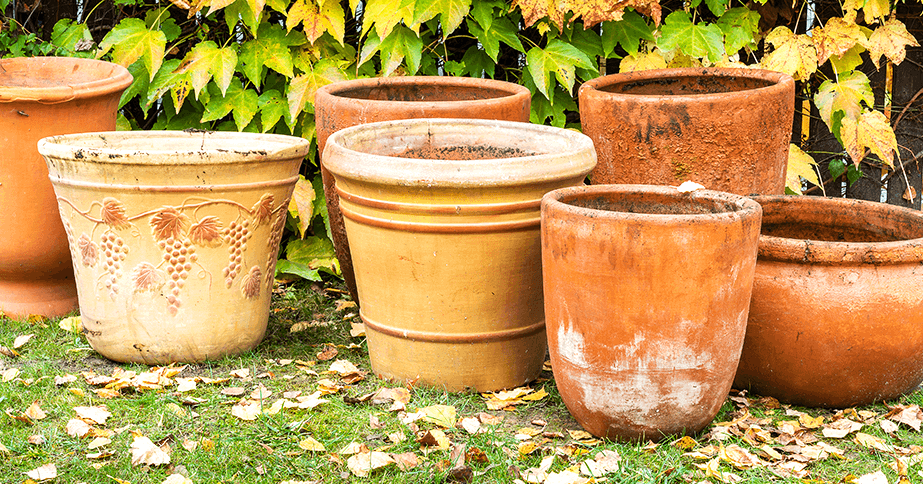
Now, let’s be real—aged pottery can be a bit fragile. I learned the hard way by taking a beloved old pot that cracked right after the first watering. Here’s a secret: the porous clay expands and contracts with moisture changes.
To avoid this, I started lining the insides of precious pots with thin plastic nursery pots. This preserves the look but stops the clay from soaking up too much water and cracking. Bonus: if you want to switch plants out seasonally, it’s way easier to swap the plastic liner than to risk the vintage pot itself.
Before planting, clean your aged pots delicately. I wipe them down with a soft brush and castile soap, avoiding any harsh chemicals that could linger and affect your plants. Let the pots dry completely. This also lets you inspect for tiny cracks or chips that might cause leaks.
Speaking of plants, aged terracotta pots thrive most when paired with plants that appreciate breathability and good drainage. Succulents and Mediterranean herbs have been my favorite combos because the pots wick away excess moisture, preventing root rot.
I’ve watched my rosemary and thyme flourish in these pots, their scents mingling with that earthy clay aroma—it’s a sensory bonus you don’t get with plastic containers. If you want to venture into shade-loving plants like ferns or ivies, just be mindful that these pots dry faster, so watering routines need slight tweaking.
A quick tip for drainage: I always add a layer of coarse gravel or tiny broken shards of old pots at the bottom—this prevents soil from clogging drainage holes over time and keeps roots comfy.
Displaying aged pottery is where you can really make your space tell a story. Group pots of varying heights, textures, and sizes on a reclaimed wooden bench or rustic metal shelving. I once used macramé hangers for a cluster of smaller pots near a sunny window—plants at eye level always get more love, and the hanging texture echoes the aged vibe perfectly.
For anyone sitting on a fragile antique pot they’re afraid to fill with soil, don’t toss it! Line it with plastic, as I mentioned, and plant trailing ivy or delicate ferns. The outer shell keeps its weathered charm, while the inner liner protects the roots and the pot’s structure.
Here’s a little troubleshooting nugget most people overlook: when you see algae or moss creeping on your pots, it’s telling you the soil is staying too damp or the pot isn’t getting enough air circulation. Moving the pot to a brighter spot or carefully wiping the moss off helps keep your pots looking fresh and your plants healthy.
The proudest day for me was when my first aged pot, treated with that simple fizz method, housed a succulent garden that thrived for months with minimal fuss. It felt like I was part of a centuries-old tradition—crafting living art from humble clay that ages gracefully while nurturing life.
So if you’re gearing up to try this, start with a small experiment pot. Treat it with vinegar and baking soda, observe the transformation, and see how your favorite plants respond in that home. Each pot will tell a different story based on the clay, the treatment, your plant choice, and even the weather where you live. That’s the magic of aged pottery planting—it’s a living, breathing process that evolves with you.
Get your hands dirty, embrace the occasional crack or mishap, and savor the way your plants and pots grow into timeless companions. There’s something deeply satisfying about giving a pot a second life—one that’s both beautiful and functional. Your garden isn’t just a space, it’s a narrative of time, care, and creativity. Happy planting!