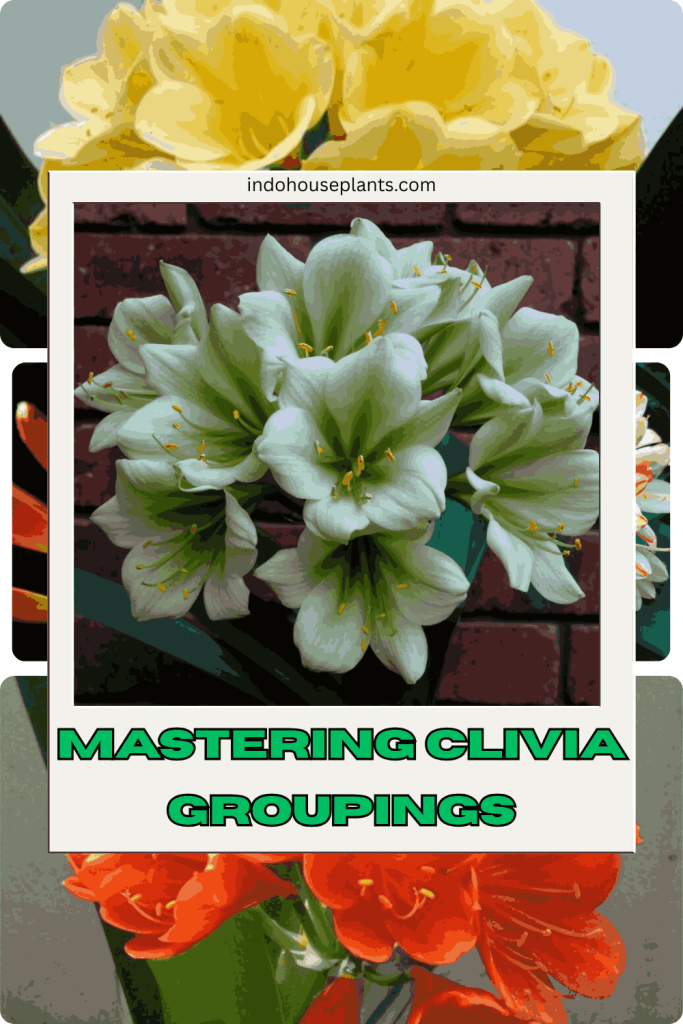
Why Group Clivias?
Most people think of grouping in terms of color or species, which makes sense—orange Miniatas here, nodding yellow Nobilis there—but what truly transforms your arrangement is understanding how these traits interact with bloom cycles, growth habits, and even your space’s lighting. The way these factors play together determines not only how stunning your plants look but how healthy and happy they stay.
What I’ve Learned About Clivia Groupings (And What Most Folks Don’t Know)
1. Go Beyond Just Color — Think of Grouping Like Storytelling
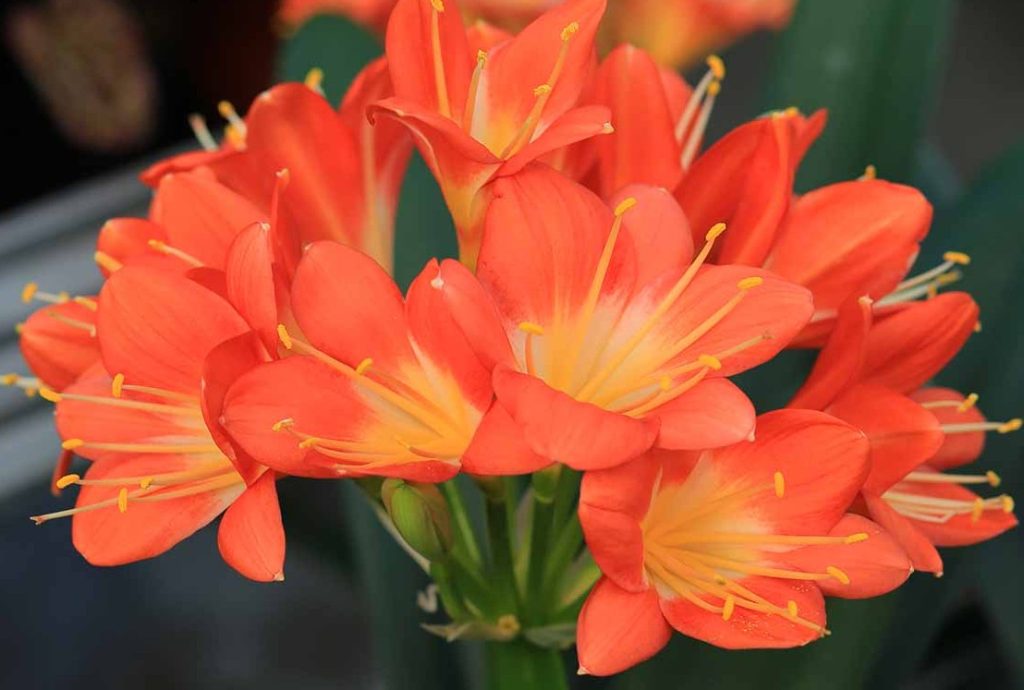
Sure, orange flowers grab attention, but layering in subtle yellow tones or rare spotted varieties like Clivia caulescens adds depth and intrigue. I’ve created groupings that tell a story through their progression of shades and shapes. For instance, pairing the bright, upright Miniata with the graceful, pendulous Nobilis makes a visual conversation—warm and lively meeting soft and elegant.
Here’s a trick: combine species that bloom at slightly different times within the same color family. It’s like staging a play where the leads take turns in the spotlight. Instead of one big show and then silence, your garden whispers a continuous floral narrative throughout the season.
2. Pay Attention to Size and Form—Gardening’s Secret Layer Cake
People often neglect the effect of leaf shape and plant height. I learned this when a friend suggested putting all the tallest Miniata clumps in front of a bed—it looked chaotic.
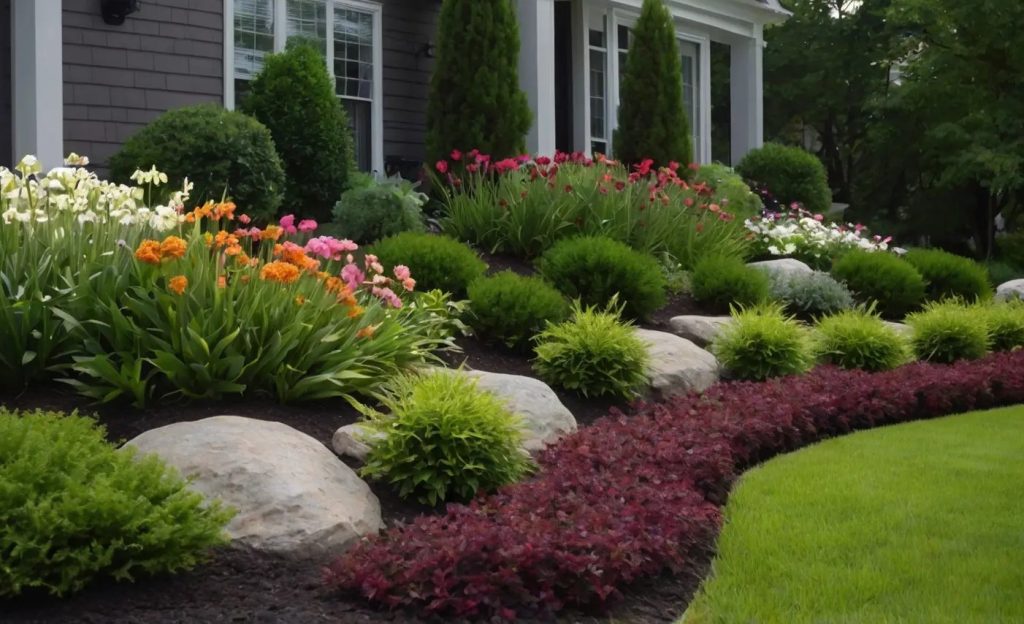
Instead, try placing taller plants like Miniata or caulescens at the back, medium ones in the middle, and smaller or younger plants upfront. It’s basic theater staging, but for plants: your eye naturally moves across different heights, creating interest and an illusion of fullness.
3. Light Requirements are More Critical Than Most Anticipate
Clivias aren’t just “shade plants.” They thrive best with bright, indirect light, and grouping plants that share the same light needs keeps everyone vigorous. Years ago, I crammed sun-loving Miniatas next to more shade-tolerant Nobilis, and the Nobilis struggled.
Now, I group by light zones in my indoor and outdoor spaces, which has dramatically improved bloom consistency.
4. Think Airflow and Root Space—Clivias Like to Be a Bit Cozy (But Not Squashed)
From experience, crowding in pots can actually encourage flowering, but poor airflow invites pests or rot. I space plants so there’s enough breathing room, and every couple of years, I separate offsets—not only to avoid overcrowding but also to harvest new plants for friends (sharing Clivia babies is a secret joy).
Real-Life Examples From My Garden
- Sun-Dappled Porch Grouping
I placed a trio of Clivia miniata side by side where dappled sunlight filters through my porch awning. Their vibrant orange blooms explode in late winter, right next to a patch of Clivia nobilis with those graceful, drooping yellow flowers. The contrast adds texture and keeps the whole porch lively for months. - Layered Indoor Display
My favorite setup indoors is a large Miniata in a bold ceramic pot at eye level, with smaller pale-yellow hybrids arranged around its base. Because they share light and watering needs, I’ve streamlined care and created a mini gallery of soft colors and forms that always draws compliments. - Mixed Garden Bed With Height Drama
In one shady corner of my garden, I planted tall-spotted caulescens at the back, medium-height Miniata in the middle, and young offset pots around the front edge. The visual depth transforms what was once a dull corner into a focal point, with streaks of color and intriguing leaf shapes.
Tips for Navigating Common Challenges
- Unsure What You’ve Got?
Don’t stress. Take photos each blooming season, jot details about flower shape and color, and ask around—local nurseries or online Clivia forums are surprisingly helpful. It took me a couple of seasons to confidently ID mine. - Working With Tight Spaces?
Instead of overcomplicating things with many plants, I recommend focusing on your favorite species or color for a striking focal point. A single well-placed Miniata can brighten a corner much more effectively than a crowded, confused grouping. - Dealing with Uneven Blooming
Clivias can sulk if light is off or watering is inconsistent. I noticed that repotting every 2-3 years into fresh soil breathes new life—and blooms—into tired plants. - Worried About Overcrowding?
Clivias actually prefer somewhat snug roots but don’t hesitate to separate offsets every few years. It’s a rewarding way to rejuvenate your plants and expand your collection with zero extra cost.
Final Thoughts — Embrace Your Clivia Journey
Grouping Clivias isn’t just about making them look good; it’s a process that deepens your connection with the plants. Every trial, bloom, and leaf teaches you something new—whether it’s about your space’s light quirks or which species resonate with your style.
Don’t rush for perfection; your Clivia garden will evolve as you do. And trust me, once you get that grouping right, the show they put on is one of gardening’s unexpected joys.
Jump In With This Simple Plan
- Choose the color or species that really speaks to your heart—whether it’s the fiery Miniata or the elegant *Nobilis.
- Start small with a couple of plants, group them, and watch them bloom together.
- Take notes on bloom times and how each plant responds to your light conditions.
- Over time, experiment with mixing bloom periods or layering heights for visual drama.
- Share your progress with other Clivia lovers online or nearby—gardening’s better with friends.
Clivias are surprisingly forgiving, endlessly beautiful, and once grouped thoughtfully, they become living art that changes with the seasons—and with you. Happy planting!