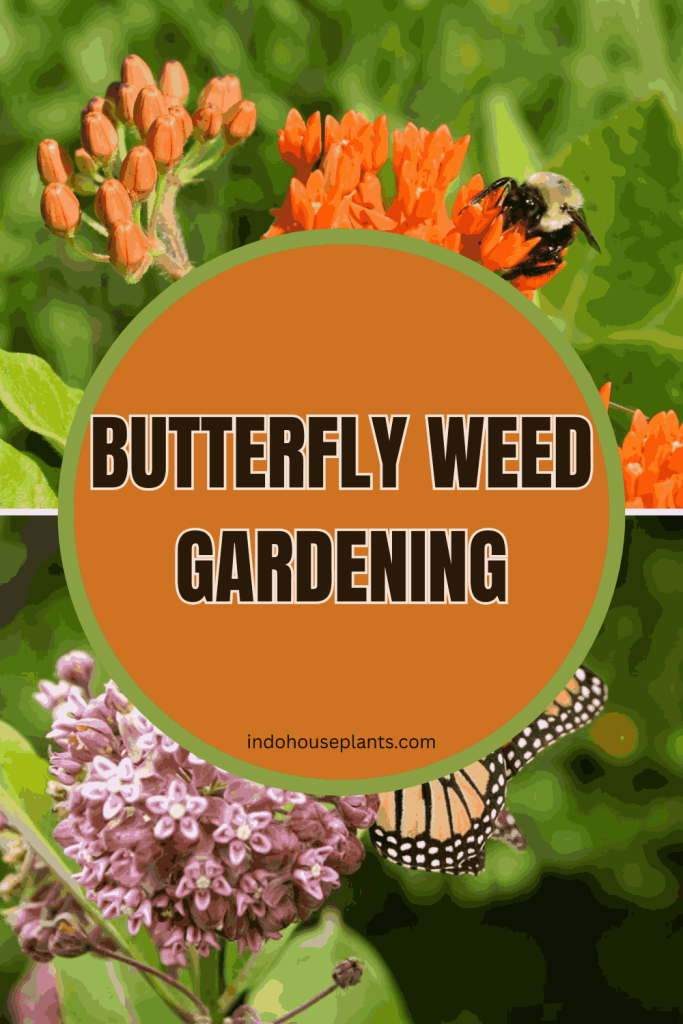
Starting a butterfly weed bed might feel a little daunting if you’re new to gardening, but trust me—once you get the hang of it, it’s one of the most gratifying projects you can take on. Personally, I’ve been growing butterfly weed (Asclepias tuberosa) for a few years now, and it never fails to brighten not just my garden, but my whole mood when the first orange blooms pop up and butterflies start fluttering in.
Here’s what most people don’t know: butterfly weed isn’t just a pretty face for your garden—it’s a hardened native that thrives on neglect more than pampering. I used to fuss over watering and soil amendments until I realized it really wants to be left alone to shine. It’s the kind of plant that rewards patient gardeners with vibrant flowers and a steady stream of pollinators, especially monarchs.
Finding the Sweet Spot: Sun and Soil Are Everything
Butterfly weed is a straight shooter—it demands full sun, and I mean at least 6 solid hours of direct sunlight each day. I learned the hard way when I put a few plants in a spot that got afternoon shade; they got leggy and refused to flower properly. So scout your garden for that patch of sun that’s bright all day long.
As for soil, butterfly weed prefers what most plants would turn their noses up at: well-drained, sandy, or even rocky soil that’s a bit lean on nutrients. I’m lucky that my backyard soil is naturally sandy, but if yours is heavier clay, adding coarse sand and some organic matter to improve drainage can work wonders.
Also, don’t fall into the trap of over-fertilizing. The first summer I overdid nitrogen, and the result was lush green leaves with almost no flowers—a frustrating lesson.
How I Prepare My Beds for Butterfly Weed
After choosing my sunny spot, I dig in deep—about 10 inches or so—to loosen the soil thoroughly, breaking up any compacted clumps. Removing weeds isn’t just for looks; it keeps the competition down, giving your butterfly weed the upper hand.
One tip I picked up from a local native plant workshop: add a thin layer of coarse mulch like pine needles or small gravel around your plants to keep weeds at bay without trapping moisture.
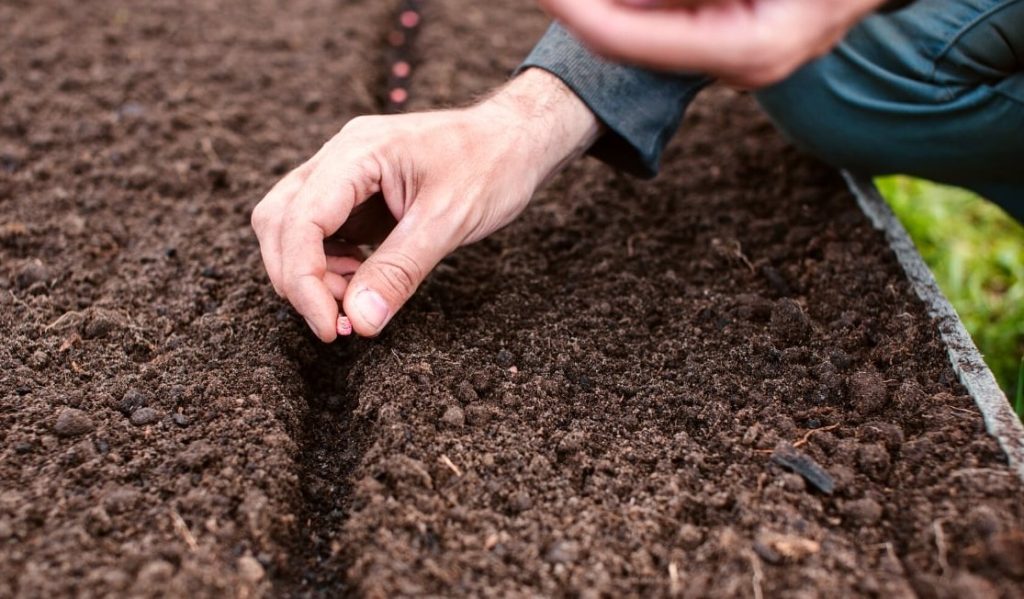
If starting from seed, take some time to soak them overnight and lightly nick the seed coat with a file or sandpaper. I do this every time and consistently get better germination rates. Spring and fall are both good times to sow outdoors; the cold winter helps trigger germination naturally.
For those who want instant gratification, nursery plants are great too—just space them about 15 inches apart to give each enough elbow room as they mature. The Xerces Society is a fantastic resource for learning more about pollinator conservation.
Watering: Let It Dry Out Between Drinks
Newly planted butterfly weed needs a little TLC with regular watering for the first few weeks, but here’s what surprised me: once established, watering less actually helps. When I cut back, the plants became sturdier and put more energy into flowers than leaves.
Overwatering makes the roots feel like they’re drowning, and that’s a quick way to get leggy growth and fewer blooms.
Making Your Garden a Pollinator Magnet
Besides monarchs, butterfly weed attracts bees, wasps, and hummingbirds, making it a pollinator party waiting to happen. To amplify the effect, I plant it alongside other natives like purple coneflowers, black-eyed Susans, and bee balm.
This mix creates a robust habitat that supports pollinators all season long and extends the flowering period in your garden.
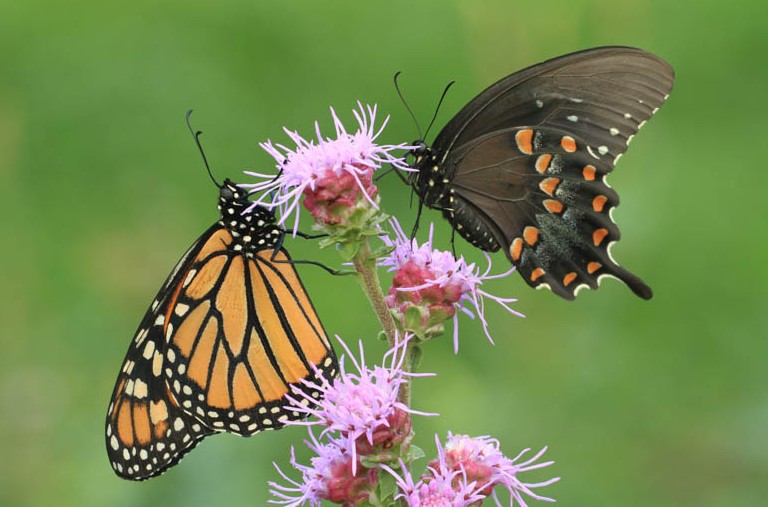
One favorite memory: last summer, I caught a monarch caterpillar munching happily on a butterfly weed leaf in my yard—a concrete sign that the plant was doing its job as a host plant, not just a nectar source.
Handling Challenges with Confidence
Leggy plants or sparse blooms? Double-check sunlight exposure—moving them to brighter spots often solves the problem. If deer or slugs start snacking on your plants, try crushed eggshells or coffee grounds around your beds; these natural barriers worked wonders for me for keeping pests at bay without harsh chemicals.
Sometimes, butterflies take a while to find your new garden, especially in urban or suburban settings. Don’t lose heart! Adding more nectar-rich plants and being patient usually pays off in the second or third season.
What This Journey Has Taught Me
Butterfly weed taught me that gardening isn’t about perfection; it’s about learning and adapting. It’s a plant that shapes itself to your garden’s conditions rather than demanding constant care.
When you nurture it the right way, it not only blooms with fiery orange flowers but creates a little ecosystem of pollinator activity that feels alive and magical.
Where to Begin
- Scout your garden for a sunny, well-drained spot—sandy or rocky soils are ideal.
- Clear and loosen the soil thoroughly, removing weeds and grass.
- Choose seeds (pre-soaked and scarified) or young plants from a trusted nursery.
- Plant seeds in early spring or fall; space nursery plants about 12-18 inches apart.
- Water consistently while establishing, then reduce to encourage drought hardiness.
- Surround with other native flowers to invite a diverse set of pollinators.
- Watch, learn, and adjust care as your garden evolves.
Starting a butterfly weed bed is more than just planting—it’s creating a vibrant, thriving corner of the natural world right outside your door. Give yourself grace, enjoy the process, and soon you’ll be rewarded with a kaleidoscope of butterflies and blooms that make all the effort worthwhile.