Let me break this down from a different angle—the why behind choosing bedroom plants, and the subtle ways they really change how you feel in your own space. This isn’t about creating an Instagram-perfect jungle. It’s about real habits, moods, and that string of small wins that comes with keeping something alive…even if you forget now and then.
Think of it this way: When you pick a bedroom plant, you’re not just decorating—you’re giving yourself a tiny, low-pressure connection to nature. No question is silly here, especially when so much advice gets way too precious about the “right” plant or “correct” watering method. Let’s get under the surface—literally and psychologically—about what makes these easygoing plants powerful for our brains (and sleep).
Why Bedroom Plants Work Their Magic—Psychology Style
Ever wondered why your brain feels soothed by a bit of greenery? Here’s what most people don’t know: researchers call this the biophilia effect. We’re hardwired—at a deep evolutionary level—to feel safer and more at ease around thriving plant life. Our stress levels drop. Blood pressure nudges down. And when we see those unfurling green leaves, our brains get little doses of reward hormones usually reserved for food or social wins.
Back in 2019, I went through an absolute tornado spell at work—think nonstop deadlines—and my bedroom felt like another list item instead of a retreat. Dropping a snake plant on my dresser was almost laughably simple…but returning home to those strong upright leaves after long days had this steadying effect I couldn’t totally explain until later reading about environmental psychology.
That quiet aliveness helps because:
- Visual reminders: A living thing nudges your mind into present awareness.
- Micro-accomplishments: Watching even one new leaf emerge gives tangible proof that patience (and your small efforts) matter.
- Filtering out background noise: The act of tending—even if once every two weeks—becomes mini-mindfulness practice.
Step by step, let’s choose the right low-maintenance plant so you get all these hidden mental perks without adding a single ounce of guilt or overwhelm.
Step 1: Choose Your Plant Buddy Based on Psychology, Not Just Looks
Plenty of advice focuses on which plants are “hardy”—but let’s dig into how certain types fit different personalities and routines:
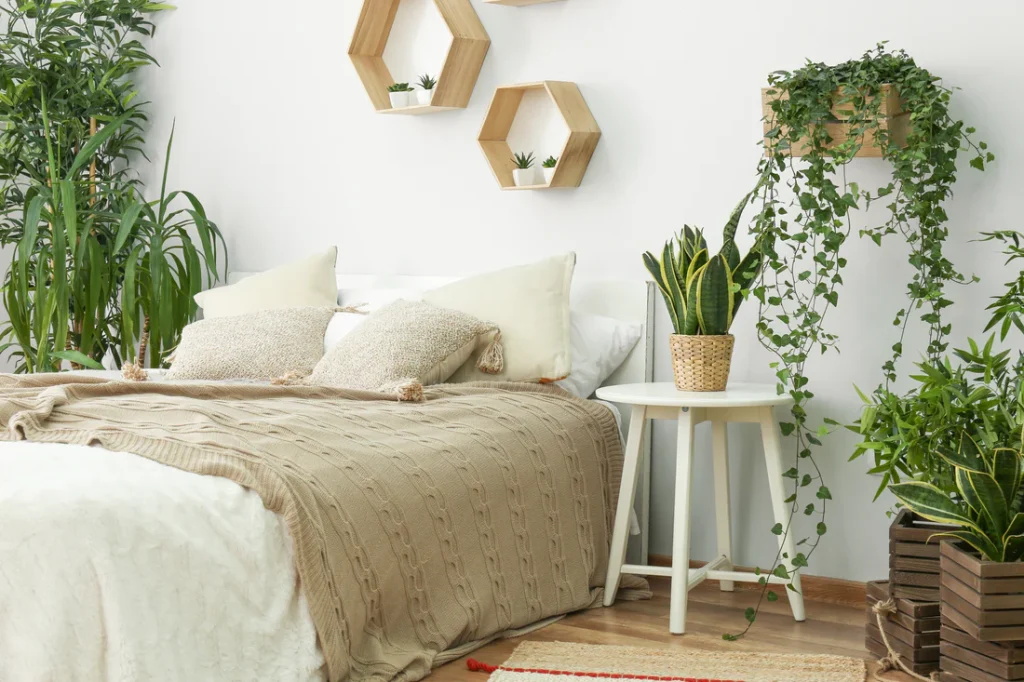
1. Snake Plant: The Sturdy Introvert
I always recommend snake plants for anyone who craves serenity but forgets details. They’re psychological comfort food; un-fussy, visually bold (you can spot those tall shapes even half-awake), and weirdly reassuring when everything else spirals.
- Unique fact: They actually release oxygen at night—a tiny nudge toward deeper sleep cycles.
2. Pothos: The Forgiving Optimist
Admit it—we’ve all been there: “Oops! Did I water last week? Last month?” Pothos doesn’t care! Here’s what’s cool psych-wise:
- Its trailing vines activate curiosity (“Where will it grow next?”)
- Watching it adapt gives you daily evidence that things will keep going—imperfections and all
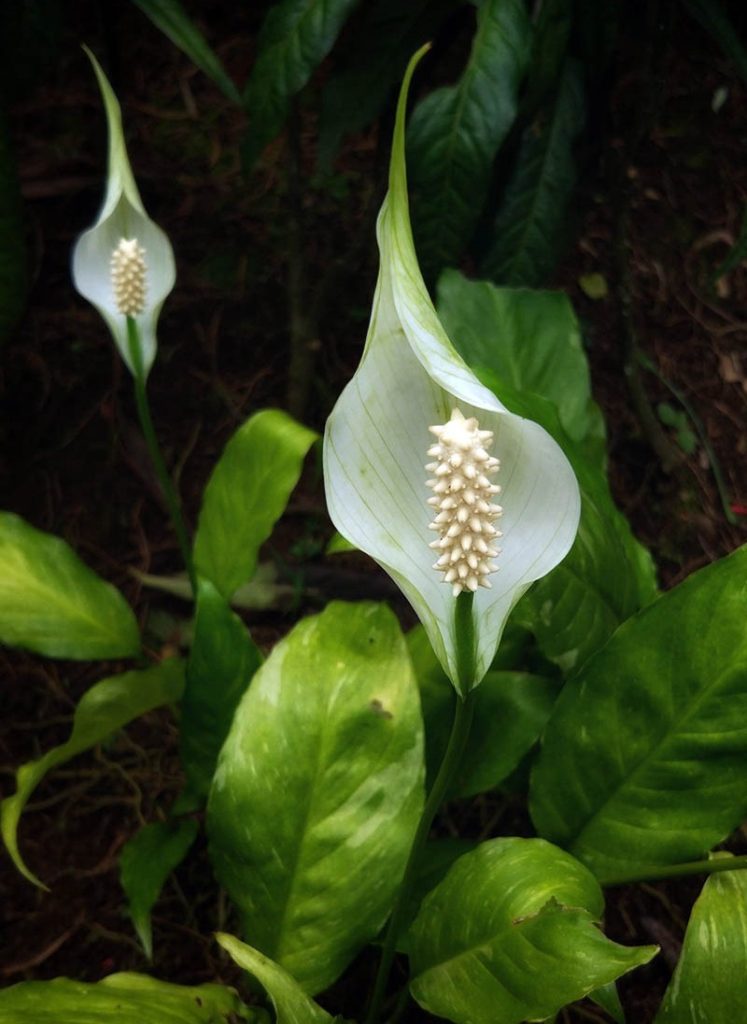
3. Peace Lily: The Expressive Drama Queen
I used to think wilting meant disaster; then I met peace lilies. These guys literally droop as a signal—which is such comforting feedback for anxious caretakers (“You didn’t fail—the plant is just sending a reminder!”).
Plus, big glossy foliage creates the feeling of lushness without any real upkeep anxiety.
And here’s what most people don’t realize: when a plant signals its needs clearly (like drooping without dying), we’re wired to respond compassionately—and that quiet tendency builds self-trust over time.
A few wild cards if you like surprises:
- Spider Plant: Sends out baby spiderettes; triggers nurturing instincts.
- ZZ Plant: Shiny resilience—you’ll find yourself checking its nearly plastic leaves to be sure it’s real!
Step 2: Habit Hacks That Make Caring Effortless
Here’s where I confess my first pothos died—in spectacularly soggy fashion—because I listened to “water weekly!” mantras online without checking my actual room conditions (cool basement = slow evaporation = mushy roots). Don’t do what I did!
Instead, anchor their care to something you already do regularly:
- Place your plant within arm’s reach of your phone charger or lamp; every time you switch off before bed, glance at the soil.
- If you journal or review your day before sleep, add a habit link (“Did I check leaves today?”).
- Even better? Use recycled chopsticks as moisture testers—they cost nothing, and work better than fingers if you’re squeamish about dirt!
No question is silly here—it’s more important to develop casual awareness than follow perfect schedules.
Light levels decoded:
If you can read comfortably midday without turning on lights, congrats—you’ve got enough light for any pick above.
If not? Artificial grow bulbs like GE’s “Grow Light” screw right into standard lamps—I installed one last winter for under $20 after moving rooms and watching my pothos pause growth completely.
Doing less beats doing more badly:
Everyone overwaters at least once (or eight times). If soil feels barely damp an inch down? Wait longer—that delay is essential for root health! Trust me: letting go actually grows things faster.
Step 3: Let Plants Reinforce Positive Psychological Cycles
There’s something quietly radical about waking up beside healthy green life in an age where our phones are often the first thing we touch each morning. Don’t underestimate these mini-rewards:
- Regular interaction bolsters attentiveness—a skill that spreads into other habits indirectly.
- Noticing new growth becomes positive feedback; suddenly flaws elsewhere feel less defeating because progress is happening somewhere…on your terms!
- Even cleaning dust off leaves turns into two mindful minutes when everything else is helter-skelter outside your door.
I’ve sometimes caught myself talking to my peace lily before big meetings (“Looking good today!”)—sounds odd but connects back to how emotional investment grows across contexts the longer we keep these leafy friends around.
Here’s what surprised me most: After my third successful growing season with indoor plants (including some accidental droughts), neighbors started coming by with their struggling spiderlings…as though competency there made me seem reliable elsewhere too!

Real Life Scenarios You Can Picture
- Dim-Sunlight Apartment
My first grad school flat was basically window-adjacent gloom territory—so few rays that succulents shriveled overnight. But one lone snake plant thrived on pure defiance near my bedside table…and turned that cramped room from crash-pad to calm haven better than any poster ever did. - Serial Forgetter in a Hectic Job
Early teaching years were chaos—I’d forget coffee mugs in odd places yet somehow kept two pothos going because their droopy signs synced up perfectly with my end-of-week lesson planning checklist (it sounds random but trust me—habit-stacking works!). - Teen With Sensory Sensitivities
A student I tutored used her peace lily as both décor and silent friend—she found stroking new shiny leaves calming during anxious moments between homework sprints (bonus: minimal scent means no sneezing fits).
Start with one—it reframes self-care from chore territory to gentle motivation (“I cultivated this.”).
Common Trip-Ups & What To Actually Do
“Yellow spots everywhere!” – Ease up on watering and check pot drainage holes aren’t clogged with roots or straggling bits from bad pot mixes (I once lost three cheap pots before figuring this out!).
“My pothos just…stopped.” – Nine times out ten? Too little indirect light; even super-plants need photons sometimes! Cycle them closer to windows monthly if your layout allows—or rotate under artificial bulbs now and then for best effect.
“My ‘dead’ peace lily flopped overnight.” – Most dramatic hibernators ever; give them water plus a pep talk (!) and watch resurrection magic in twelve hours flat—I’ve revived mine so many times they’ve earned Oscar nominations for best fainting scene.
Bottom line: plants rarely want perfection; they want basic steadiness—and learning alongside them pays back double in self-confidence (“Hey look—I didn’t quit this time!”).
Ready For Your Own Green Glow-Up?
Pick whichever plant matches both your space and current headspace—not the one TikTok says everybody has right now!
Buy local if possible—it supports neighborhood growers plus lets you ask questions face-to-face. Grab soil/pot deals as needed—I often spend less than $25 total starting from scratch per setup (cheaper than eating out twice!).
Water only when dry; check in regularly as part of bedtime wind-down—not another all-or-nothing obligation dumped onto your plate.
The real secret? Most people stick with bedroom plants because it’s one consistent pocket of progress even on crunchy days—that silent confidence-building loop matters way more than interior design points ever will.
Rooting for you here…and believe me, if anyone asks why there’s suddenly an extra pep in your step? Just gesture toward those healthy leaves doing their quiet pushups each morning!
So—which one calls out to you? Shoot me your choice—I’d love to hear which leafy companion gets the honor!