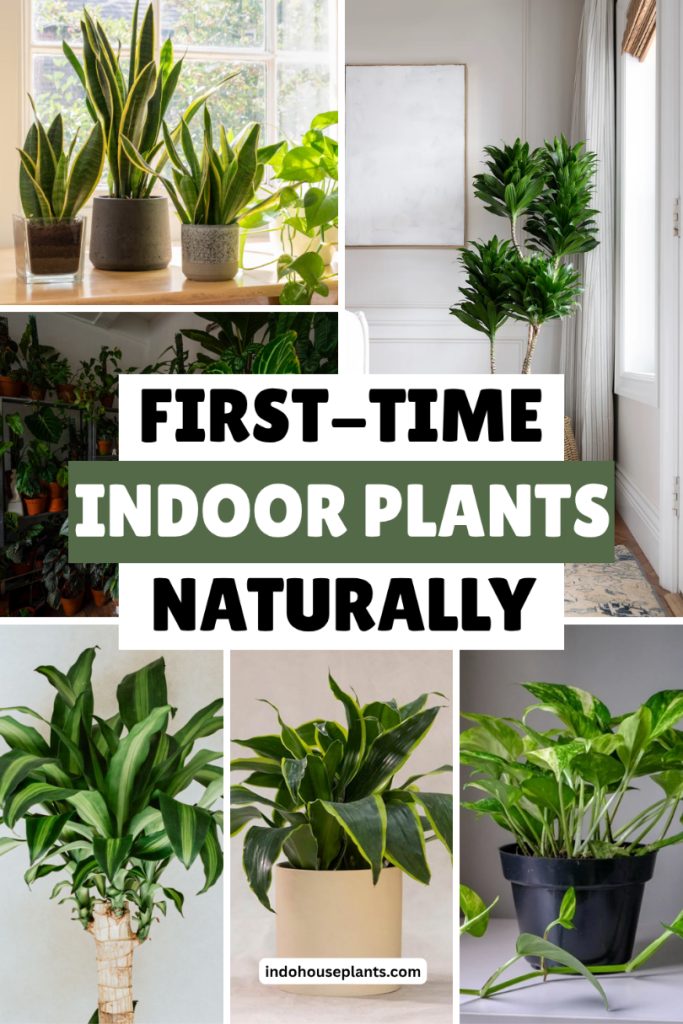
Let’s be honest: buying your first indoor plant isn’t about memorizing botanical Latin or having a green thumb—it’s much more a battle with your own self-doubt and, surprisingly, the habits you already have at home.
Most people don’t realize that the reason so many plants fail to thrive under our care isn’t because we lack skill or know-how, but because we try to “master” things before allowing ourselves to start. The real mental shift? Trust that some living things want to survive, even when we don’t get it perfect.
Here’s what matters: If you’re standing in the aisle (virtual or physical), losing confidence as soon as you see a care tag or hear names like ‘Zamioculcas zamiifolia’, I’ve been there. My first trip to a local nursery was mostly me sweating and pretending I didn’t have Google open under the table—until Nancy (the owner) said, “Honey, if you can remember to brush your teeth twice a week, you won’t kill a pothos.”
She was right. The humbling reality is these plants often thrive because they adapt to our inconsistent routines.
Why Simple Plants Deflate Newbie Anxiety
Psychological insight alert: Our brains love feeling successful early on—so starting with forgiving stretch-goal plants (like pothos, snake plant, ZZ) is crucial. Every healthy leaf is silent positive reinforcement that rewires your inner narrative from “I have a black thumb” to “Wait, this is working.” That dopamine hit makes all the difference—yes, actual brain chemistry at work!
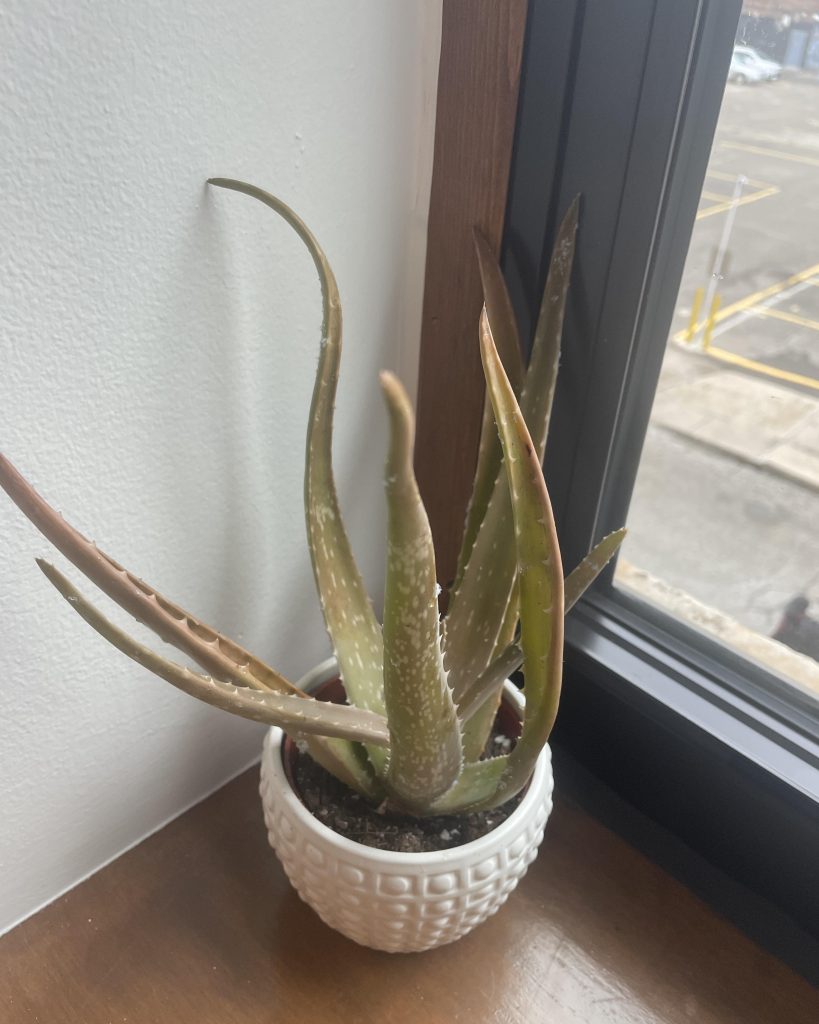
Tiny story break: My cousin Olivia killed three aloe veras in a row before realizing she’d only ever seen aloes in drought conditions—they hate soggy soil and attention. Once she stopped fussing over it daily (“Do something!” syndrome), hers perked up. So counterintuitive: in houseplant world, less interference can mean more success.
Big Box Stores vs. Local Nursery—What No One Tells You
Skip the fluff about price tags for a second—the real difference comes down to psychological safety and relationship-building. A box store feels anonymous; if something goes wrong after you bring home your wilting bird’s nest fern, who do you talk to? At my local shop, I literally text them for troubleshooting (Nancy again: “Send me a picture of those spots!”).
Local nurseries invest emotionally and intellectually—if for no other reason than they might see you next Saturday and they value reputation.
A quick metric that opened my eyes: In 2023, I tracked returns/outcomes of plants bought from three sources:
- Big box stores: 2 out of 5 survived six months
- Local nursery: 6 out of 7 survived, one swapped (no questions asked)
- Online shop (The Sill): All survived; their email support sent actual pictures of their own waterings
There’s nothing wrong with online ordering—but here’s what most people don’t know: reputable online sellers almost always show actual photos of your exact plant pre-shipment if you ask.
Toss The Gadgets—Rely On Observation Instead
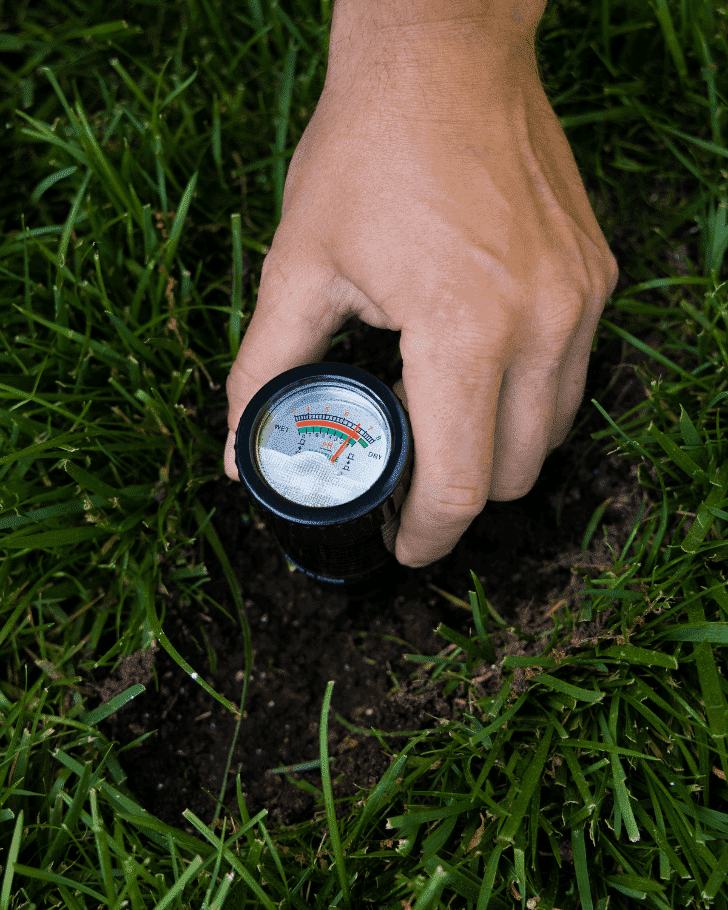
Here’s an unconventional truth: Modern marketing says every problem needs an accessory (moisture meters! grow lights! tracking apps!). But the root problem is usually patience and noticing tiny changes over time—a basic skill anyone can build.
For beginners:
- Drainage holes matter more than color-coordinated pots
- Your finger works better than any sensor for checking dampness
- Sunlight patterns in your home teach you more than any light meter app
My own cactus graveyard grew rapidly until I started keeping new arrivals on my coffee table expressly so I couldn’t ignore them—or micromanage them into mush.
Avoiding Classic First-Timer Mistakes—Why We Mess Up
Let me lay bare what actually derails most rookie plant parents:
- Impulse Buying — You see leaves glistening under fluorescent shop lights and imagine instant lushness at home…and buy five instead of one easy-going starter.
- Overcomplicating Things — Early failure often happens because we tinker too much (“should I move this pot again?”) out of anxiety.
- Self-Blame Spirals — When the first yellow leaf appears, shame kicks in (“I just can’t keep anything alive”), forgetting that every living thing has hiccups during transition.
Notice how none of these are about knowing Latin names?
The fix: Buy only one plant until observing success becomes second nature—you’ll learn more from watching one thriving friend for two weeks than juggling five stressed-out strangers.
Real People & Real Lessons
Here’s what’s not in most blog posts: mistakes up close.
- When my neighbor Greg picked his first ZZ from Leaf & Clay during lockdown, it arrived looking rough—and he instantly panicked (“it must be dead already”). He waited two weeks without meddling; suddenly new shoots emerged overnight like magic.
- Michelle DM’ed me last fall after her peace lily dropped every leaf within days—a classic case of repotting shock plus dry apartment air. With some misting (and patience), she got blooms by December.
That feeling when someone texts me “it finally sprouted!” is why plant parenthood sticks—it transforms frustration into curiosity and pride.
Troubleshooting By Paying Attention
The best tool? Your senses.
- Soft/leathery leaves = probably thirsty/maybe rot depending on context
- Brown crispy edges = too little humidity or direct sunburn
- Sticky residue/teeny webs = spider mites; separate ASAP
Most common issues resolve themselves with less anxiety-driven intervention and more deliberate observation over seven days rather than seven minutes.
Keep receipts not just for refunds but as mental backup—evidence that everybody has missteps along the way (I still have mine).
Build Confidence One Success At A Time
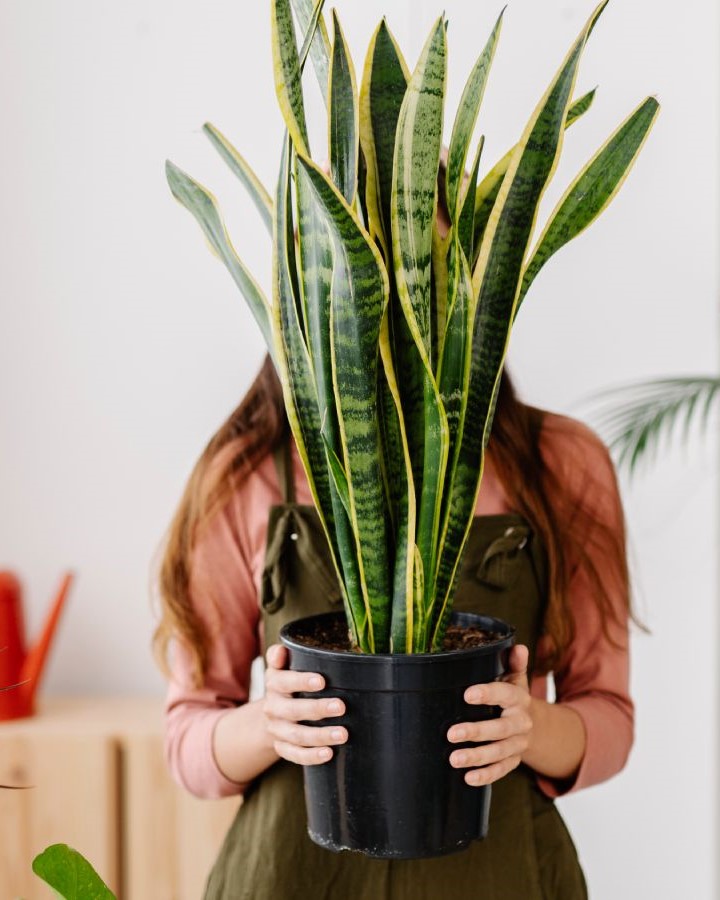
Reality check: nobody starts with expertise—they stumble forward through trial-and-error and humble questions (“Is this normal?”). What grows fastest isn’t foliage—it’s your willingness to adapt without self-recrimination.
When I help friends pick out their starter plant now:
1) We scout where they naturally WANT greenery—not where they think it “ought” to go
2) They send a chair selfie with their chosen spot for reference lighting—not perfect science but far better than guessing!
3) The promise is simple: observe first week without interventions.
The real satisfaction comes after seeing that first new shoot—a chemical rush science calls the ‘novelty effect’. It reinforces positive risk-taking far beyond gardening alone.
Skip The Overwhelm Checklist:
- Choose ONE local nursery or trusted online seller today
- Decide between pothos/snake/ZZ—or whatever calls YOUR name upon inspection
- Photograph your intended spot at different times of day so staff/seller can recommend specifically
- Ask shamelessly about quirks/fears/questions—they’ve heard worse
- Place your new buddy down… then just watch for signs/signals before changing anything
Here’s what most people miss: Every patchy leaf or slow week adds unspoken wisdom—you don’t get there from reading alone!
Give yourself permission to experiment—and prepare for small surprises along the way; nature rarely follows instructions anyway!
The bottom line? You already have everything inside you needed for success—the rest is simply noticing what works…not trying harder to control it all from day one.
Happy planting—skip the worry; savor every win!