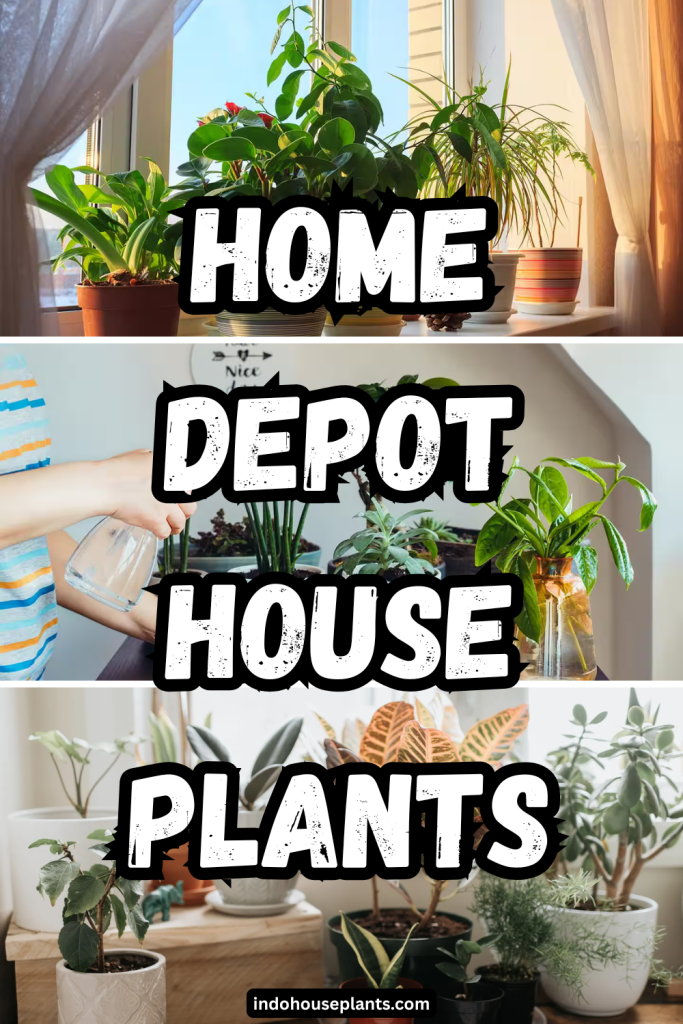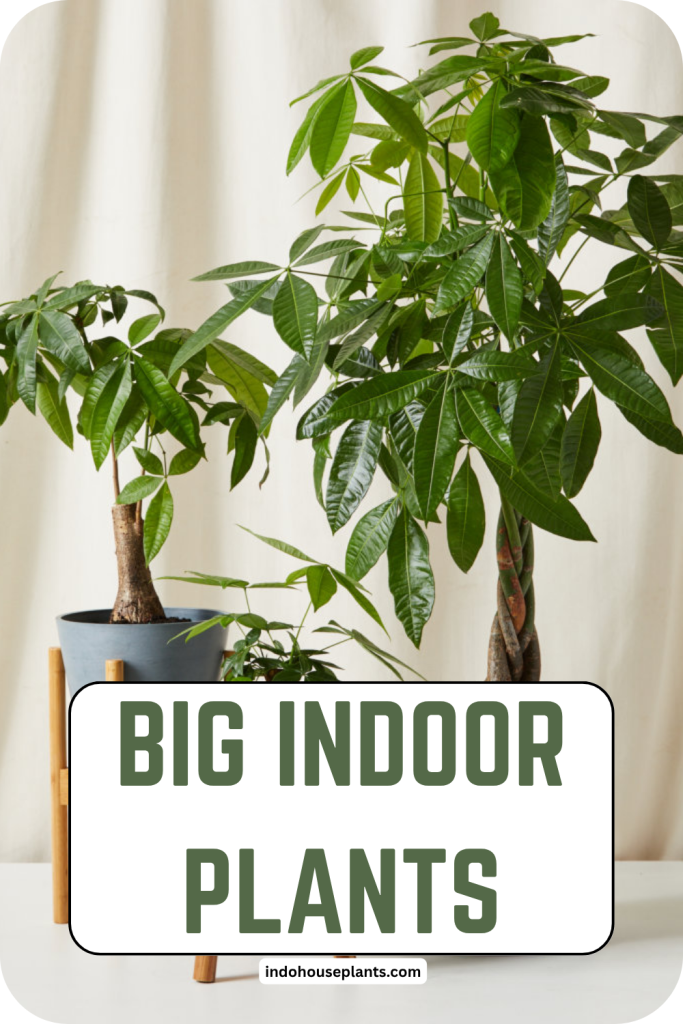
There’s a certain thrill in bringing home your first houseplant—like inviting a silent, leafy roommate into your space. I still remember the nerves before adopting my very first snake plant (I named her “Marge”). If you’re worried you’ll mess it up, trust me: I spent years swearing I had “black thumbs” before I realized that a lot of success with plants is about finding the right match—and keeping things gloriously simple.
Here’s what actually works for starting out, straight from my living room jungle experiments—and a couple of misadventures.
Step 1: Forget Perfection—Pick Proven Survivors
Most plant guides give you generic lists. Here’s the honest scoop: the hardiest plants aren’t just easy—they’re nearly impossible to kill even under actual neglect.
Picture this: back in 2020, during a heatwave, I accidentally left my ZZ plant (“Gonzo”) unwatered for five weeks while traveling. He didn’t even drop a leaf! This isn’t theory…this was survival mode.
The three beat-the-odds champions:
- Snake Plant (Sansevieria)
- Stands upright like modern art.
- Once went AN ENTIRE MONTH in my old office without water and looked better than ever.
- You’ll want to water only when that soil feels dry all the way down. In winter? Sometimes once a month suffices!
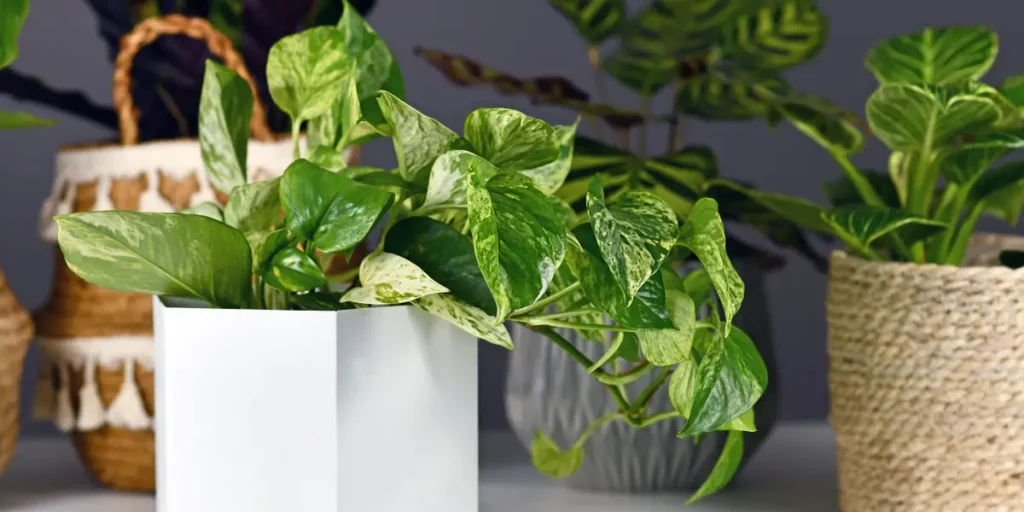
- Pothos (Epipremnum aureum)
- Think unruly green streamers—mine are draped over bookshelves, curtain rods, even the shower!
- Tolerates low light and doesn’t sulk if you forget it for two weeks.
- My original pothos survived its first year under a drafty window and bounced back after a clumsy cat attack.
- ZZ Plant (Zamioculcas zamiifolia)
- Glossy leaves, bulletproof constitution.
- This one is perfect if your apartment is basically the Batcave.
- One friend watered hers every three weeks—sometimes less—and it became legendary at her work-from-home desk.
Here’s what most people don’t know: Starting with just one plant lets you really get familiar with its quirks—you’ll start recognizing exactly when it’s thirsty or basking happily. When I tried starting with six all at once, I felt overwhelmed and honestly ended up forgetting about half of them (sorry, fern #3).
Step 2: Placement Isn’t Rocket Science
Most “easy care” plants adapt to less-than-ideal lighting. What worked best: move them around until you notice new growth popping out. New leaf? That’s your plant giving you an enthusiastic thumbs-up!
My go-to trick for super-low light apartments:
- Place your snake plant or ZZ about 4–6 feet from a window that gets bright daylight—but NOT baking sun blazing through all afternoon. My ZZ survived winters in a shadowy corner; he only gave me trouble when right next to a heater vent.
Avoid sticking any houseplant over radiators or right beside chilly windows in winter—I learned this the icy way with a lost pothos (RIP Miss Viney).
Step 3: Water Intuition Beats Schedules Every Time
If there’s one single reason most easy houseplants end up at “Plant Heaven”…it’s too much love via overwatering.
I failed twice before nailing this rhythm:
- Don’t set reminders. Instead, poke your finger into the soil up to the second knuckle. Dry? Water just until it runs out of the drainage hole—then toss any extra out of the saucer! Not dry? Walk away and check again next weekend.
- In summer when apartments get muggy and hot, they may need more frequent drinks—but not by much.
Unexpected hack: A bamboo skewer from the kitchen drawer works as an ultra-cheap soil probe! Stick it down deep; if it comes out clean and dry—go ahead and water.
Step 4: Maintenance Is Basically Minimalism
Once every few months or so:
- Wipe dust gently off those gorgeous leaves with a soft cloth or damp paper towel (it helps them photosynthesize better—you’ll actually SEE them perk up after).
- Rotate pots occasionally so all sides get some light; otherwise they’ll lunge toward the nearest sunbeam like teenagers after free pizza.
- See yellowing tips? Just snip those away with scissors—it won’t hurt at all.
No need to fret about fertilizer during year one; seriously, basic indoor potting mix keeps these guys happy far longer than fancy food packets suggest.
What Most Advice Leaves Out
Now for something most blogs don’t tell you:
Your houseplant will sometimes look rough on arrival—it might drop some leaves or get brown tips while adjusting. This is totally normal! My very first snake plant got floppy and sad-looking on day three inside my place…but two weeks later was sending up new shoots like nothing ever happened.
When disaster does strike—a pothos vine snaps off mid-move or overzealous watering makes roots mushy—the temptation is to panic. But here’s where tough plants shine:
- Trim off any mushy bits,
- Let everything dry,
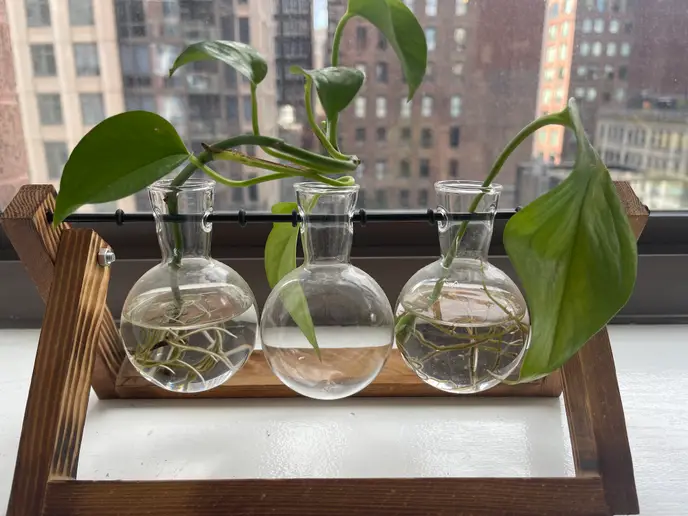
- Try rooting healthy cuttings in water as instant backup plants!
Best part: Each tiny recovery reminds you how resilient both plants and their caretakers can be.
Real-Life Encouragement
Let me introduce Mia—a self-proclaimed serial succulent killer—who texted me last fall: “I’m cursed.” We picked up a small $9 pothos together from Trader Joe’s, popped him near her couch under sheer curtains, and used my “poke test” instead of calendar reminders. Six months later? Her apartment has two thriving vines AND she gifts cuttings to friends!
Guess who else gets involved? My nephew Leo started caring for his own snake plant when he was six (“MegaMouth” now lives on his bookshelf). His trick was putting little stickers on each watering day—not because Mega needed schedules, but because kids love stickers!
Troubleshooting Without Fear
- Getting crispy leaf edges? Back off on fertilizer or move away from direct sun beams.
- Droopy but not brown? Probably underwatered—or cold air blowing nearby.
- Mushy stems/root rot happened? Snip off bad parts with clean scissors and let everything air-out before tentatively re-watering.
Remember—plants WANT to live! One time my ZZ fell behind my dresser for five weeks in low light and no water; he didn’t flinch except for one crinkly leaf tip.
Final Pep Talk & Action Steps
Honestly—the smallest act of noticing that first new shoot pushing up can feel like winning gold at the Olympics (“YESSS!”). And if things flop along the way…it just means your next attempt will go smoother—with more wisdom under your belt!
Here’s how you make today count:
- Visit any garden aisle—even supermarkets stock these toughies nowadays; choose whichever sturdy fellow catches your eye.
- Pick basic indoor potting mix (or let shop staff pot it up—they often do it for free if you smile).
- Name that newcomer—even something ridiculous like “Captain Leaf.” The silly act creates responsibility (trust me!)
- Pop them near indirect sunlight—not scorching sun—and use either finger-poke/dampness test OR bamboo skewer trick before watering each time.
- Jot down any oddities (“yellow spots,” “floppy stem”), snap pics if needed—you’ll find tons of groups online ready to cheer on troubleshooting steps together!
You’ve got this—honestly! These beginner-proof plants have seen worse than anything we can put them through…and still reward us with fresh peace-of-mind greenery every single week. So go ahead: take that leap into low-maintenance leafiness today.
And when Steve/Marge/Captain Leaf sends out their first shiny new leaf? Send yourself an imaginary medal—I’ll be cheering right along with you!