
Styling plants in a breezeway isn’t just about tossing a few pots around—it’s about creating a little green sanctuary that balances nature’s breeze with your home’s vibe. I remember when I first tackled my own breezeway project—initially, it felt like walking a tightrope between too much humidity, not enough light, and the constant worry that my plants might just wave a white flag and wither away.
But the trick I learned? Embrace the quirks of the space instead of fighting them.
Here’s what most people don’t realize: breezeways are this sweet spot of filtered light and natural airflow, which means you have a canvas perfect for plants that aren’t exactly “tropical rainforest only,” nor do they want blazing sun. Think of it like styling a casual, breezy outfit rather than putting on a full formal suit. You want effortless green that feels like it belongs there, not like it’s struggling to survive.

What Plants Actually Thrive in a Breezeway (From My Real-World Trials)
Some plants got their reputation because they’re “easy,” but in a breezeway, they truly shine. When I first brought home a few snake plants (Sansevieria), I thought, “Okay, these are pretty tough,” but what surprised me was how they seemed almost to enjoy the indirect light combined with the fresh air.
Within weeks, those stiff vertical leaves became a signature look for the space—no fuss, no wilting, just steady resilience.
Pothos was my next experiment. Instead of letting it sit on a windowsill, I hung pots overhead. Watching the vines cascade down like natural green curtains was honestly better than I imagined. Plus, pothos is mercilessly forgiving; I’ve killed more sensitive plants in the past but these always bounced back.
Peace lilies were a splash of personality—those graceful white blooms felt like art in a slightly shaded corner. I learned they don’t need constant water, but they do like a little love now and then. The lush Boston ferns, though a bit thirstier, thrived when I placed them near spots where the occasional morning mist from the outside breeze hit them.
Layering: How to Make Your Breezeway Pop Without Overcrowding
One of the mistakes I made was cramming everything in at floor level—something I quickly learned ruins the flow and can turn your breezeway into a plant jungle that feels more chaotic than cozy. Instead, adding height variations was a game-changer.
Here’s a setup I swear by:
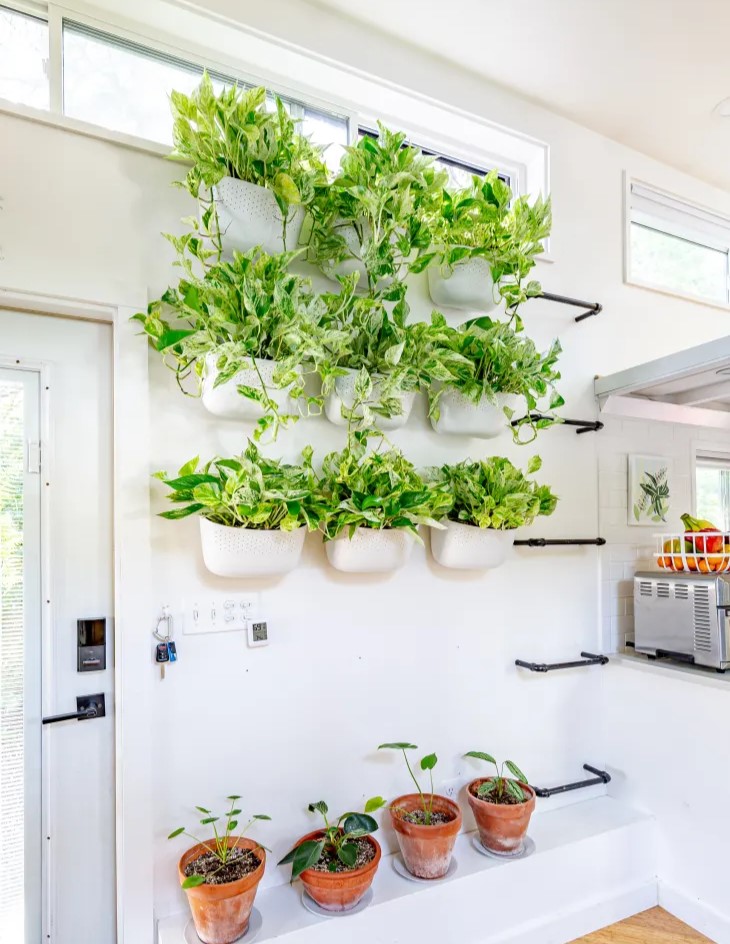
- Hanging white ceramic pots with pothos draping down just above eye level, catching any stray light and drawing your eyes upward.
- A rustic wooden shelf holding peace lilies and a couple of smaller ferns, which creates a middle tier full of texture and interest.
- On the floor, a tall snake plant nestled in a woven basket anchors the whole arrangement without feeling crowded.
This three-level approach feels dynamic but not cluttered—like a living sculpture that balances color, shape, and space.
Pots and Materials: The Secret to Breezeway Style That Feels Personal
I’ve learned to avoid plastic pots at all costs, unless they’re hidden inside something more attractive. Instead, I lean toward natural textures—wicker baskets, terracotta, or even weathered ceramic with subtle patterns. They don’t just hold plants; they add character.
When I mixed a variety of pots, I made sure to pick colors that complemented the existing breezeway palette—mostly earthy tones with a dash of soft white or muted green.
Here’s a little tip that most people miss: rotating pots seasonally or swapping a hanger or two with a handmade macramé holder can totally change the vibe without buying new plants.
Caring for Breezeway Plants—The Real Talk
Plants in breezeways dry faster than you’d think because the airflow acts like a natural fan, but without the harsh sun to overheat the soil. I learned to check the top inch of soil, often once a week or every 10 days, and only water when dry. Overwatering was my biggest enemy at first.
Also, adding a layer of pebbles at the bottom of pots improves drainage—a simple hack that saved me from soggy roots more than once.
To keep pests at bay, I wipe down leaves with diluted soapy water every couple of weeks. It’s gentle but effective, and I skip harsh chemicals since breezeways are often partially open to the outdoors. For more detailed care tips, the ASPCA has a great resource for pet-safe plant care.
What To Do If You’re Short on Space or Patience
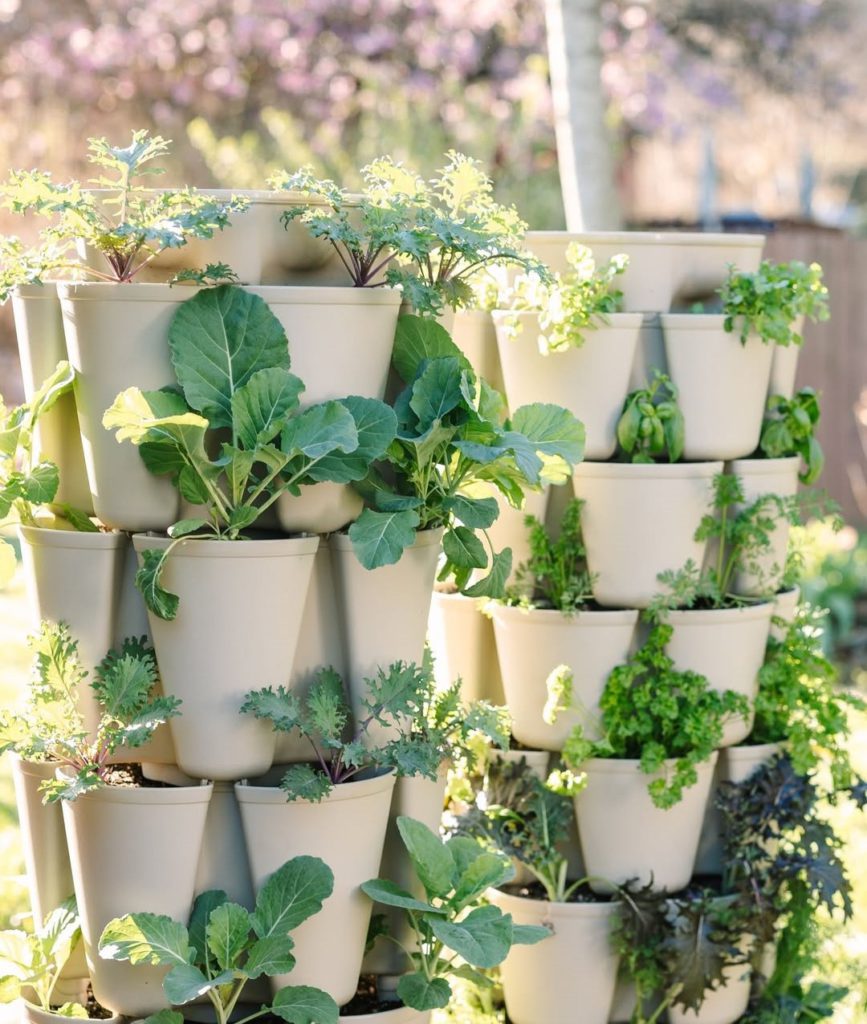
When my breezeway was tiny, hanging baskets and wall-mounted planters became lifesavers. They free up floor space and add a vertical garden effect that makes the area feel lush without feeling cramped.
Also, if you’re forgetful like me, self-watering pots or even placing a reminder on your phone for watering days can keep plants thriving long term—because no matter how much you love the look, a dead plant kills the vibe fast.
Visualize This Setup—From My Experience
Picture walking down a breezeway where the air is cool but the greenery welcomes you warmly. On one side, three white ceramic pots hang overhead with glossy pothos vines dancing gently. Below them, a reclaimed wood shelf hosts two peace lilies and a soft Boston fern, their leaves brushing softly when you pass.
On the floor, a tall snake plant sits in a woven basket, bold and upright, giving the space a grounded rhythm.
Opposite this, I mounted a set of wall planters filled with air plants and ferns—this keeps things fresh and textured without taking any walking room. A vibrant green ZZ plant stands on a small stool beside the door, adding a punch of color that feels like a green exclamation point.
Final Nudge: You’ve Got This
I’m proof that you don’t have to be a plant pro to make your breezeway a welcoming green spot. Start small, listen to how your plants respond, and don’t stress if a leaf droops or two. Each plant is part of an evolving story in your home’s outdoor heartbeat.
If you want to jump in today, here’s what I’d do:
- Spend some time observing your breezeway’s light patterns throughout the day—morning sun or just gentle dappled light? Knowing this shapes your plant choice.
- Head to a local nursery and pick up a few tough starters—snake plant, pothos, peace lily, Boston fern, or ZZ plant.
- Grab a mix of pots—try to bring home at least one hanging planter or wall pocket.
- Layer your plants vertically to create that lush, welcoming effect without crowding.
- Water only when soil feels dry and enjoy watching your little oasis grow.
Plant styling in a breezeway isn’t just about aesthetics—it’s about nurturing life in a space that’s often overlooked. When done right, it becomes a quiet retreat you didn’t know you needed. Your breath will deepen as you step through it, welcomed by greenery that thrives in harmony with the breeze.